# Сопутствующие статьи по теме Compliance

Новостной центр HTX предлагает последние статьи и углубленный анализ по "Compliance", охватывающие рыночные тренды, новости проектов, развитие технологий и политику регулирования в криптоиндустрии.

2026 Hong Kong Web3 Carnival Unveils First Batch of Guest Lineup

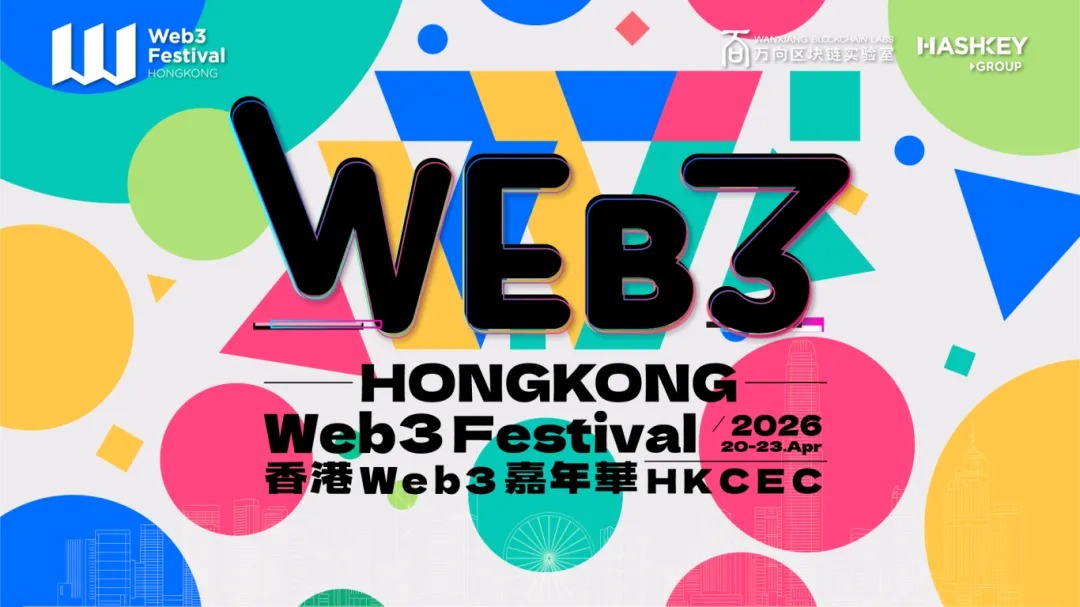
The 2026 Hong Kong Web3 Carnival, co-organized by Wanxiang Blockchain Lab and HashKey Group, will take place from April 20 to 23 at the Hong Kong Convention and Exhibition Centre. This annual event, now in its fourth consecutive year, aims to bridge traditional and innovative sectors while connecting Eastern and Western global perspectives. Prominent confirmed speakers include John Lee, Financial Secretary of the Hong Kong SAR; Xiao Feng, Chairman of Wanxiang Blockchain and HashKey Group; Solana Foundation President Lily Liu; and other key industry leaders. The event is supported by strategic partners such as the Hong Kong Trade Development Council and sponsors including OKX Web3, Qtum, and SlowMist. The carnival has already attracted over 500 high-level executives from traditional finance and real-world asset sectors, indicating strong cross-industry interest. It serves as a critical platform for high-net-worth individuals and core decision-makers to explore Web3 opportunities. Since its inception in 2023, the event has grown into one of the most influential crypto conferences globally, with over 120,000 attendees, 350 projects, and 1,200 speakers across its previous editions. It continues to foster a global ecosystem, leveraging Hong Kong’s unique position to connect Asian markets with international resources, driving integration of technology, business models, and regulatory practices. The 2026 Hong Kong Web3 Carnival aims to not only showcase the future of Web3 but also actively shape it through collaboration and innovation.

深潮12/19 02:28

2026 Hong Kong Web3 Carnival Unveils First Batch of Guest Lineup

深潮12/19 02:28

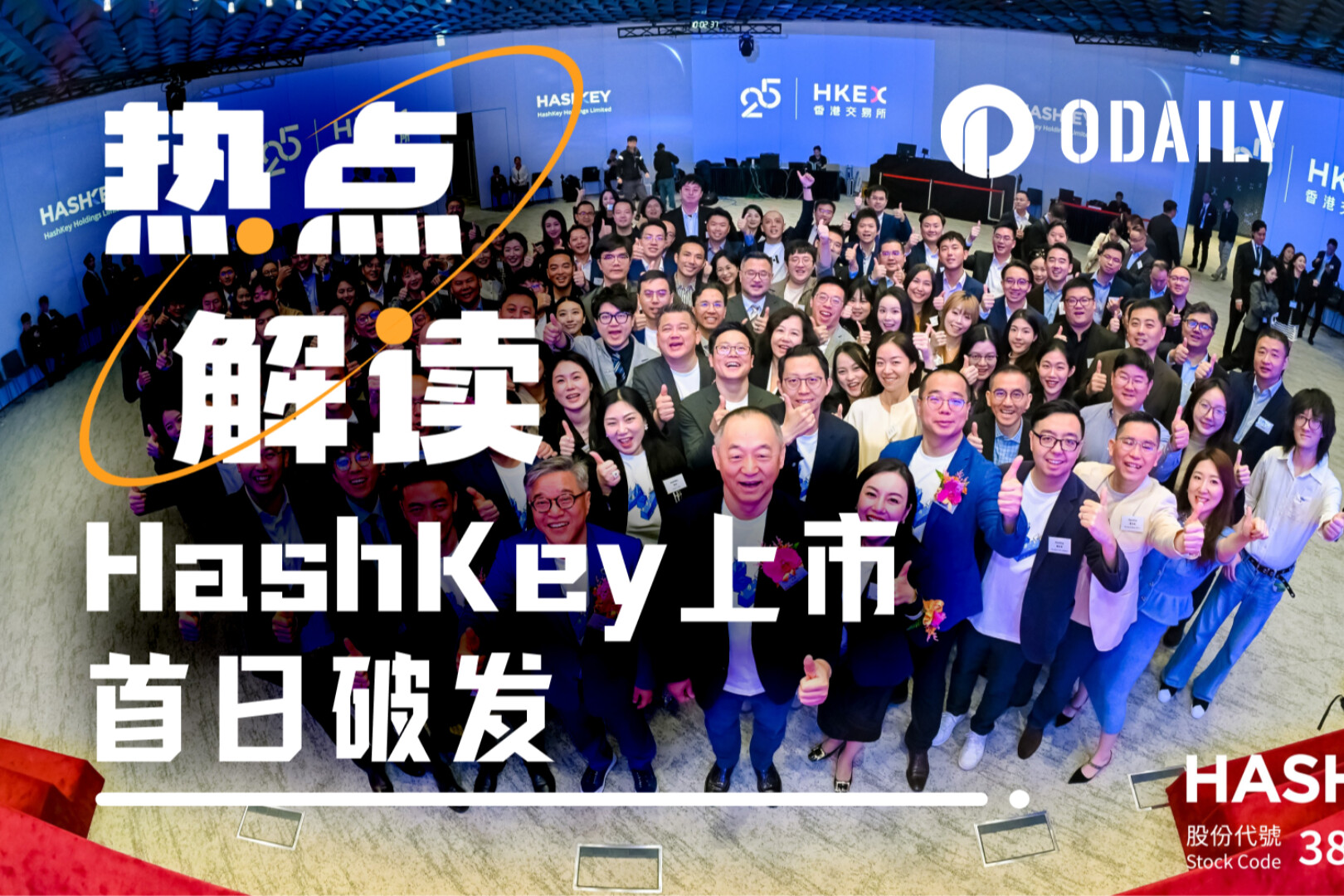
HashKey Falls Below IPO Price on First Day of Trading, 'The Eastern Coinbase' Not Yet Established

HashKey Holdings (stock code: 03887.HK), known as the first Hong Kong-listed cryptocurrency exchange, debuted on the Hong Kong Stock Exchange on December 17. Despite strong pre-IPO interest—with its public offering oversubscribed by nearly 394 times—the stock price fell below its initial offering price of HK$6.68 within the first hour of trading. It closed the day at HK$6.67 after hitting a low of HK$6.12. The market response contrasts sharply with earlier optimism from crypto industry participants, who had hailed HashKey as a milestone for Hong Kong’s Web3 sector and even dubbed it the "Eastern Coinbase." However, the article points out significant gaps between HashKey and Coinbase in terms of scale: HashKey has only 138,000 registered users and average daily trading volumes in the millions of dollars, far below Coinbase’s pre-IPO user base of 56 million and billions in daily trades. HashKey has reported four consecutive years of losses, which the company attributes to high investment in technology and compliance during its early development phase. The IPO raised approximately HK$1.67 billion, with 40% earmarked for technology upgrades and another 40% for market expansion. The listing is seen by some as a symbolic step toward broader acceptance of crypto in traditional finance, yet the author suggests HashKey’s successful listing may remain an isolated case in Hong Kong. This is largely due to the influential backing of its major shareholder, Lu Weiding—chairman of Wanxiang Group and a prominent business and political figure—whose support may be difficult for other crypto firms to replicate under current regulatory conditions.

Odaily星球日报12/17 12:05

HashKey Falls Below IPO Price on First Day of Trading, 'The Eastern Coinbase' Not Yet Established

Odaily星球日报12/17 12:05

DeFi Recent Updates: Stablecoin Public Chains Face Internal Competition and Cooling Off, RWA Welcomes Its 'SEC Moment'

The DeFi market is currently bearish, with sentiment leaning towards further downside for Bitcoin and a shift of attention and capital towards AI. The author's strategy involves moving away from most altcoins to focus on major assets like BTC and ETH, retaining only a few with strong cash flows like AAVE and LINK. Key developments include a governance dispute between Aave DAO and Aave Labs, highlighting industry-wide governance challenges, and an update to Aave V4's liquidation mechanism to reduce over-liquidations. The article discusses the underwhelming performance of new stablecoin-focused Layer 1 blockchains, which have failed to significantly capture market share from established players like Ethereum and Tron. Their true potential lies in onboarding new, off-chain stablecoin users, a challenging task. A major focus is on the tokenization of real-world assets (RWA) following the SEC's approval of DTCC's tokenization plan. This is seen as a significant, positive regulatory step. The approval outlines strict requirements for compliant blockchains, with Ethereum/L2s being a likely fit. This development is analyzed as a potential indirect benefit for existing projects like Ondo Finance, which recently had an SEC investigation closed with no charges. Ondo's mechanism for facilitating large on-chain stock token trades using its own stablecoin, USDon, is explained. Other updates include Ethena's new airdrop season requirements, which users must interact with its HyENA perps platform, and the testnet launch of Tempo, a new payments-focused blockchain backed by Stripe and Paradigm.

marsbit12/17 04:20

DeFi Recent Updates: Stablecoin Public Chains Face Internal Competition and Cooling Off, RWA Welcomes Its 'SEC Moment'

marsbit12/17 04:20

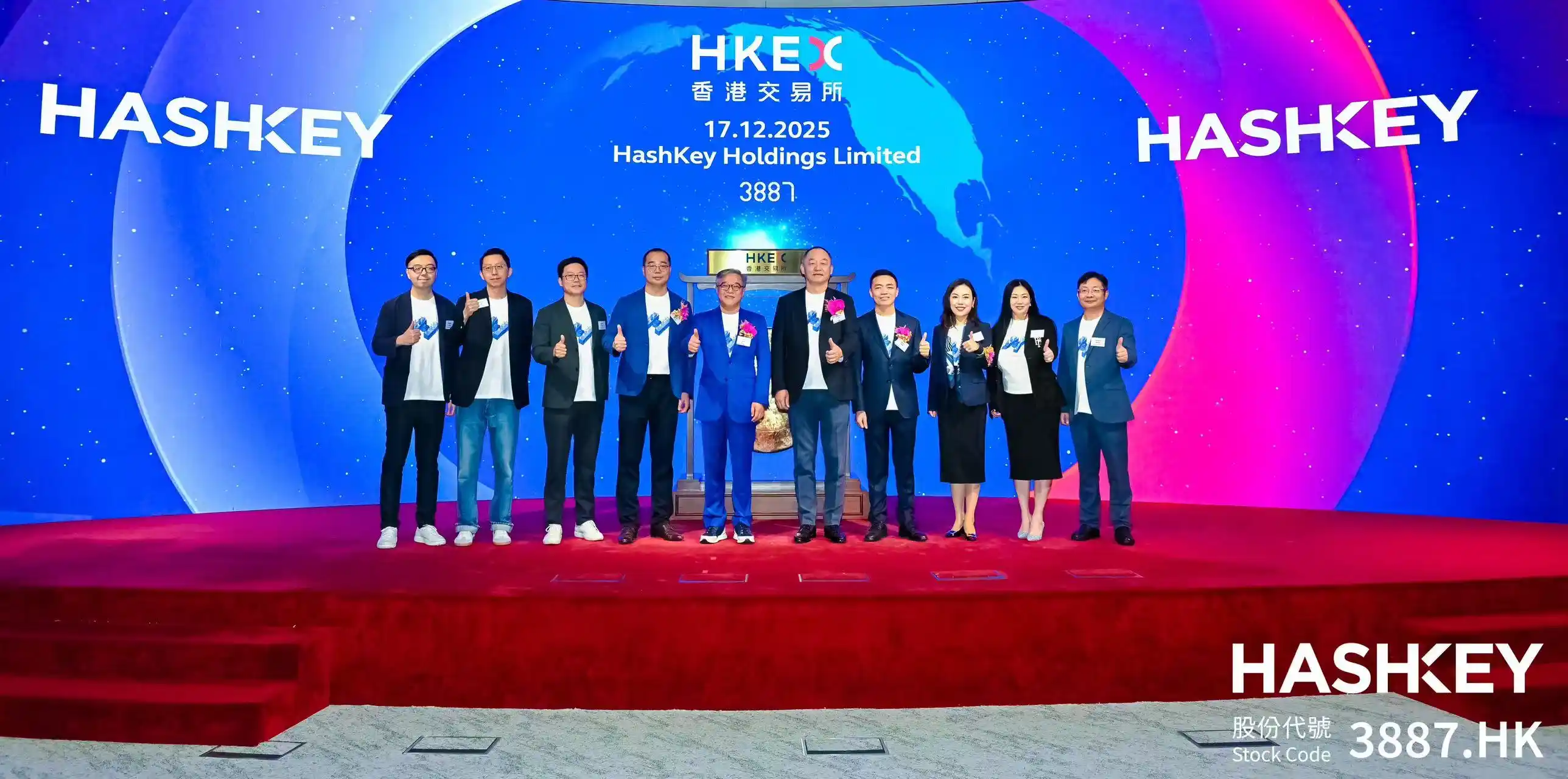
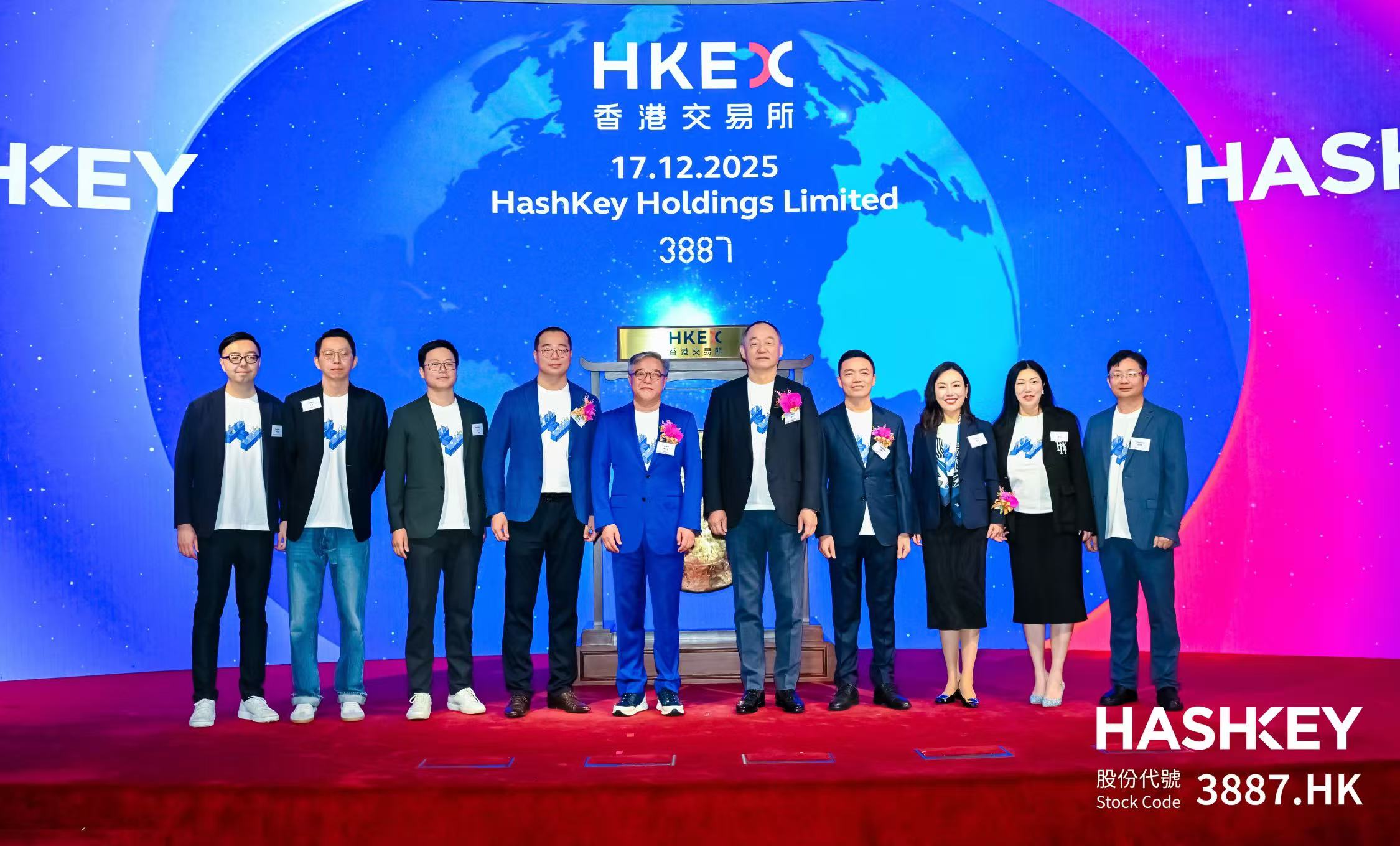
HashKey Holdings Officially Lists on the Main Board of The Stock Exchange of Hong Kong

HashKey Holdings Limited (Stock Code: 3887.HK), a mature integrated digital asset company in Asia, has officially listed on the Main Board of the Hong Kong Stock Exchange, becoming the first publicly listed digital asset company in Hong Kong. This marks a new development phase, strengthening its global presence and long-term strategy. At the listing ceremony, Dr. Xiao Feng, Chairman and CEO of HashKey, emphasized the company's commitment to compliance and its Hong Kong roots. He stated that HashKey will continue enhancing infrastructure capabilities, including security, custody, on-chain execution, and compliance, to build a world-leading digital asset services platform. The global offering attracted significant market attention, with nine cornerstone investors participating, including UBS AM Singapore, Fidelity, and CDH Investments. Since its establishment in 2018, HashKey has adhered to a compliance-first and technology-driven strategy, developing three core business areas: trading facilitation, on-chain services, and asset management. It aims to provide secure, reliable, and compliant digital asset market access for both retail and institutional clients. Looking ahead, under Hong Kong's policy framework promoting phased real-world asset tokenization and digital financial infrastructure development, HashKey will focus on steady growth and continuous innovation. It aims to improve the digital asset infrastructure system within regulatory frameworks, supporting Hong Kong's role as a key hub in the global digital asset landscape.

marsbit12/17 03:58
HashKey Holdings Officially Lists on the Main Board of The Stock Exchange of Hong Kong

marsbit12/17 03:58

Compliance Guide for Utility Token Issuance

"Functional Token Issuance Compliance Guide" This guide outlines the legal framework for issuing utility tokens, emphasizing that regulatory risk depends not on the token's description, but on its economic reality. A token's classification as a security is determined by market behavior and investor expectations, not technical promises, as seen in cases like Telegram's TON. Projects fall into two main categories with different compliance paths: Infrastructure projects (e.g., Bitcoin, Celestia) often use fair launches for lower risk, while Application-layer projects (e.g., DeFi, GameFi) require careful legal structuring due to higher regulatory scrutiny. Key stages and actions are detailed: * **Testnet Phase:** Separate development (DevCo) and token/ecosystem (Foundation) entities. Use equity + token warrants for fundraising, not direct token sales, to avoid triggering securities laws prematurely. * **Mainnet Launch (TGE):** This is a high-risk phase. Ensure clear disclosure of token utility, allocation, lock-ups, and conduct KYC/AML. Avoid marketing that promises profit. Public airdrops and sales are closely watched. * **DAO Stage:** Achieve true decentralization by relinquishing team control to community governance (e.g., Uniswap DAO). This "verifiable exit" is crucial for reducing securities risk. The core compliance challenge is proactively demonstrating the token is *not* a security by emphasizing its functional use, avoiding profit promises, and progressively decentralizing. Compliance is a continuous process, not a one-time approval. A robust legal structure is the essential foundation for a sustainable project.

marsbit12/17 02:11

Compliance Guide for Utility Token Issuance

marsbit12/17 02:11

活动图片