2026-05-17 Domingo

Centro de Notícias

Obtém notícias cripto em tempo real e tendências de mercado com o Centro de Notícias da HTX.

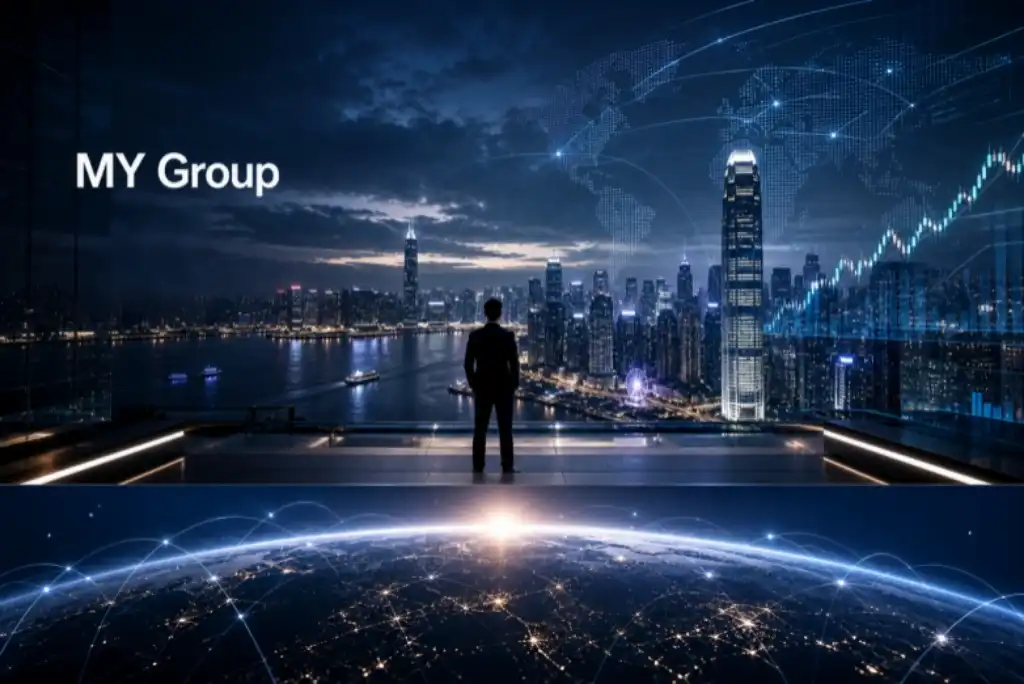
MY Group Completes Web4.0 First Stock Listing Layout, SEC Officially Discloses Form 8-K Announcement

MY Group has completed the listing layout for the "Web4.0 First Share," with the U.S. Securities and Exchange Commission (SEC) formally disclosing a Form 8-K report. According to the filing, the company's board has officially appointed Mr. Zhang Dingwen as Chief Executive Officer (CEO) and Executive Director, marking a significant upgrade in management and the entry into a new phase of its global capital market strategy. The disclosure of Form 8-K, used for reporting major corporate events, coincides with market information indicating the company is advancing several key capital market initiatives. These include a global brand system upgrade, corporate strategic restructuring, and a change of its stock ticker symbol. These moves are viewed by industry experts as signals of accelerated internationalization and enhanced global market presence. Concurrently, MY Group's proposed "Web4.0 Ecosystem" is garnering market attention. The company is integrating core capabilities across social traffic portals, global payment systems, public blockchain infrastructure, digital asset trading, and AI-powered financial systems. Analysts suggest that by closing this ecosystem loop, MY Group has the potential to become a next-generation platform merging Web2 user scale with Web3 asset frameworks and AI financial capabilities. With the management upgrade finalized, the global brand strategy launched, and the stock ticker change pending, MY Group is positioning itself as a focal point in the global technology capital market as a potential leading Web4.0 platform enterprise.

marsbitHá 42m

MY Group Completes Web4.0 First Stock Listing Layout, SEC Officially Discloses Form 8-K Announcement

marsbitHá 42m

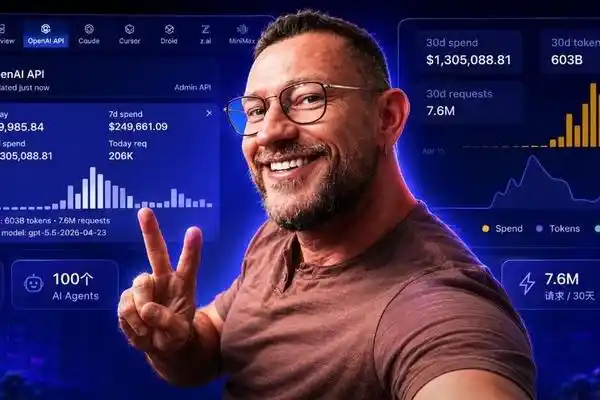
In the AI Era, How to Onboard Without Starting from Scratch

In the AI era, onboarding new employees often resembles a botched relay race baton handoff, where the organization maintains speed while the newcomer starts from zero. The author, after joining Ramp, argues the core problem is a lack of accessible, shared organizational "context"—the collective knowledge from meetings, documents, Slack discussions, and decisions. Instead of relying on slow, manual onboarding or isolated AI tools, the solution is building a continuously updated "company brain." This system acts as a central, AI-native knowledge base that absorbs all company signals. The author describes building a prototype using an Obsidian vault powered by Claude, fed by automated meeting transcripts and notes, and topped with reusable agent "skills." The current enterprise AI approach, deploying specific workflow agents, is likened to the "chatbot era"—useful but disconnected. The real gap is the absence of a shared brain that all agents and employees can access from day one. The future lies in making context layer infrastructure the priority: write context first, then install tools; record every meeting; build the wiki before the dashboard. When new hires, AI agents, and even customers can immediately access this living company brain, the costly "ramp-up" period becomes obsolete. True organizational speed is achieved when maximum velocity and seamless context transfer happen simultaneously.

marsbitHá 2h

In the AI Era, How to Onboard Without Starting from Scratch

marsbitHá 2h

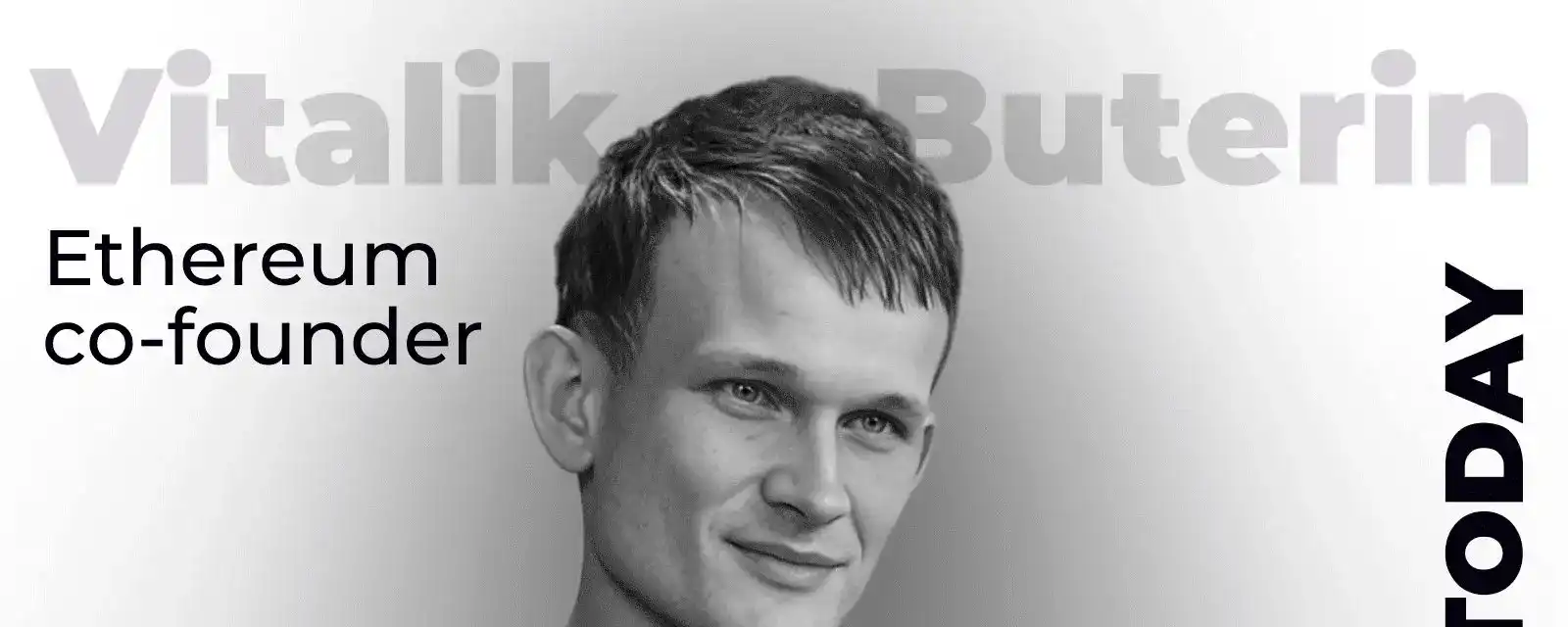
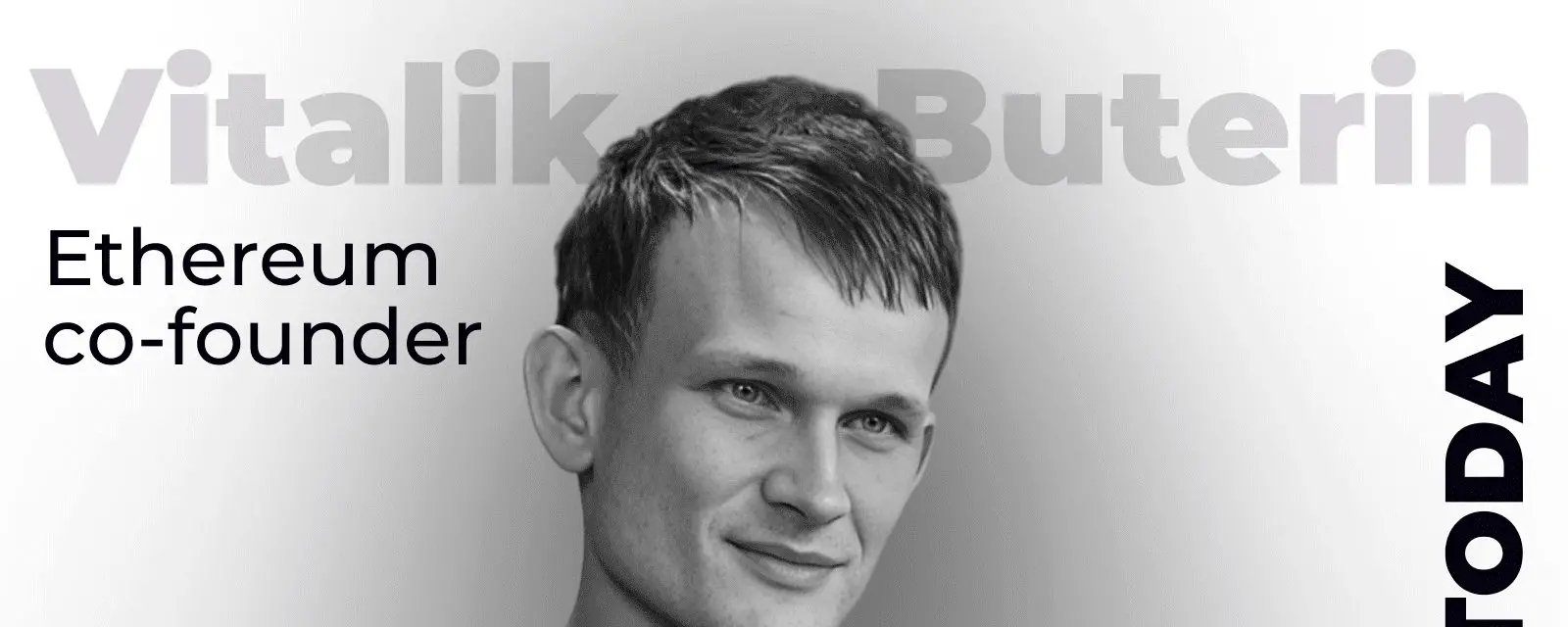
Vitalik: We Need to Create Sanctuaries, Not Fight AI

In a recent interview, Vitalik Buterin, founder of Ethereum, addresses the central anxiety of the AI era. He argues the primary risk isn't AI's intelligence, but human passivity—ceding decisions, privacy, and agency to centralized systems or "super AIs" for a sense of "disempowering safety." His solution is not to fight AI, but to build "sanctuary technologies." These are optional, non-totalizing spaces that protect users while preserving their sovereignty and privacy. Ethereum is presented as a prime example, offering a parallel financial system one can freely choose, not a fix for the old one. Reflecting on his journey from a 19-year-old on "autopilot" to an active "pilot," Vitalik notes the world reinvents itself every 5-10 years. To keep up, individuals must actively pilot their lives, not be passive passengers. He stresses that active learning vastly outperforms passive learning, even with equal time invested. His practical advice for builders and individuals in the AI age includes: periodically forcing oneself to do tasks manually to keep the mind engaged; prioritizing active learning and verification over outsourcing answers; building tools that help retain human agency; not outsourcing all strategic thinking to AI; and preserving serendipity through real-world interactions. Ultimately, Buterin redefines Ethereum/crypto's role: not to win against or fix the old world, but to provide a free, optional alternative. The core message is that as AI grows more powerful, the truly scarce resource will be proactive humans who retain their sovereignty, privacy, and capacity for independent thought. The era demands not less tool use, but more intentional and active use of technology.

链捕手Há 5h

Vitalik: We Need to Create Sanctuaries, Not Fight AI

链捕手Há 5h

Conversation with Patagon Founder: Revealing the Inside Story of Anthropic's Secondary Market

**Summary: Inside Anthropic's Massive, Opaque Secondary Market** In a revealing interview, Patagon founder Dio Casares pulls back the curtain on the booming, high-risk secondary market for shares in companies like Anthropic. This private market, fueled by companies staying private longer and massive funding rounds, is estimated to involve hundreds of billions of dollars. Casares distinguishes between two types of "secondary" trading: 1. **Company-approved SPV (Special Purpose Vehicle) sales:** Where new capital flows into the company, often facilitated by select private equity firms. Anthropic supports this to manage liquidity and pre-IPO selling pressure. 2. **The "gray" market:** Platforms like Hive and Forge that match buyers and sellers, often creating pricing confusion and competing with official funding rounds. These intermediaries are widely disliked by companies. The market structure is complex and fragmented, relying heavily on personal connections. Brokers connect buyers and sellers, often layering multiple SPVs to pool capital, with single transaction fees as high as 10%. Strikingly, some finance professionals earn more from this trading than from their primary investment roles. **Key risks highlighted include:** * **High Fraud Rates:** An estimated 10-20% of transactions involve fake stock certificates or sellers who take payment without having the shares. * **Complex, Risky Structures:** Nested SPVs, "forward contracts" on employee equity, and tokenized private equity create layers of opacity. This is exemplified by a recent incident where an xAI employee's shares were revoked after an espionage allegation, leaving buyers empty-handed. * **Post-IPO "Settlement Hell":** After an IPO, delays in distributing shares through multiple SPV layers and decisions by fund managers to hold onto shares could trigger years of lawsuits as downstream investors are locked out. **For small investors** holding positions through tokenized vehicles or layered SPVs, it's often impossible to verify the underlying asset. Casares advises caution: if the investment feels wrong, consider exiting. As the private market now surpasses IPO fundraising, this "wild west" ecosystem faces a looming reckoning. While it will likely professionalize, the post-IPO period for a company like Anthropic could unleash a wave of disputes, exposing the vulnerabilities built into this frenzied, largely unregulated marketplace.

marsbitHá 7h
Conversation with Patagon Founder: Revealing the Inside Story of Anthropic's Secondary Market

marsbitHá 7h

活动图片