# Сопутствующие статьи по теме Iran

Новостной центр HTX предлагает последние статьи и углубленный анализ по "Iran", охватывающие рыночные тренды, новости проектов, развитие технологий и политику регулирования в криптоиндустрии.

Peace Talks Hit an Impasse Again, U.S. Stocks Retreat from Highs, Can Bitcoin Hold the $80,000 Level?

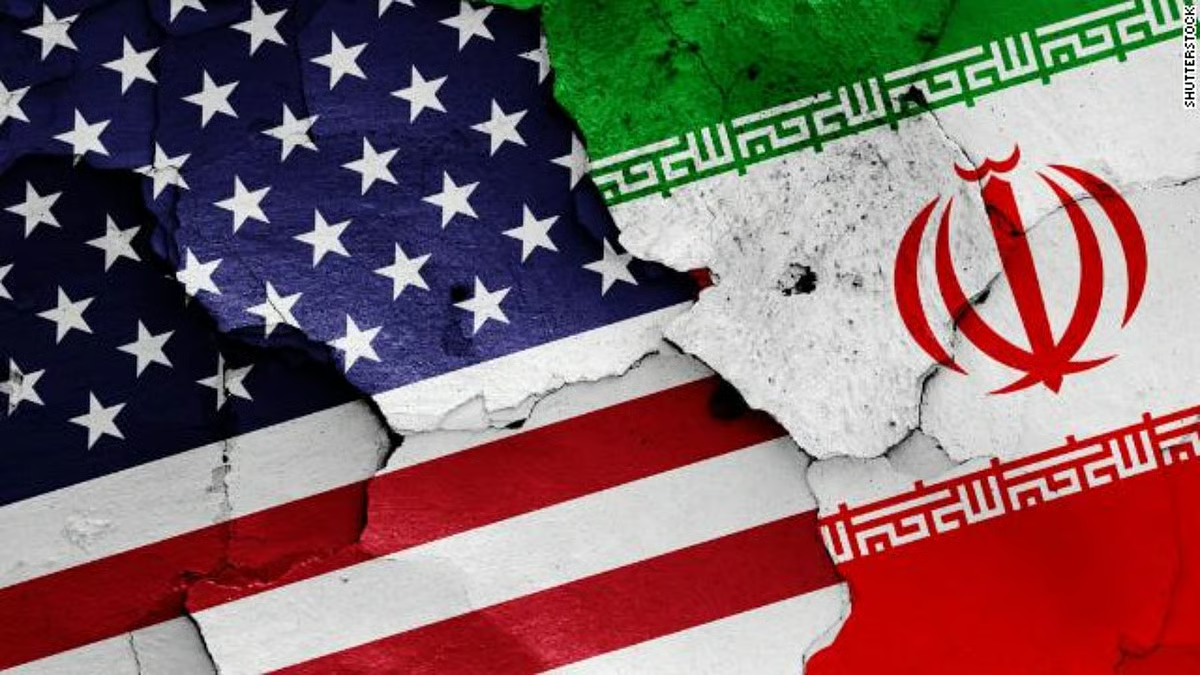
Peace Talks Stalemate Sinks Stocks, Tests Bitcoin's $80K Support Optimism over a potential U.S.-Iran peace deal, which briefly propelled the S&P 500 and Nasdaq to record highs, evaporated within 24 hours. Iran dismissed key U.S. proposals regarding uranium enrichment and Strait of Hormuz access, reversing market sentiment. U.S. stocks fell, led by semiconductors and small caps, while oil prices whipsawed violently. The core narrative is a binary market bet on war or peace, creating extreme volatility. The probability of a deal by mid-May dropped to 20%. Oil (Brent) briefly crashed 12% before recovering to around $100, but a shift in its market structure hinted at ample physical supply despite geopolitical risk. Bitcoin fell roughly 1.56%, finding support near $80,000. The pullback was considered structurally healthy, backed by strong institutional inflows into U.S. ETFs and rising long-term holder conviction. Ethereum gained on positive U.S. crypto regulation hopes. In equities, major indices declined with the Russell 2000 hit hardest. The "Magnificent Seven" tech stocks were a rare bright spot, but the semiconductor sector sold off sharply. Notably, high-beta momentum stocks suffered dramatically worse losses than the broader market. Upcoming U.S. non-farm payrolls data is the next key catalyst. Treasury yields rose with oil, the dollar was steady, and gold/silver gained on a mix of inflation and safe-haven demand. European markets also fell. The situation in the Strait of Hormuz remains unresolved, keeping markets on edge.

marsbit05/09 03:43

Peace Talks Hit an Impasse Again, U.S. Stocks Retreat from Highs, Can Bitcoin Hold the $80,000 Level?

marsbit05/09 03:43

Can Iran 'Control' the Strait of Hormuz?

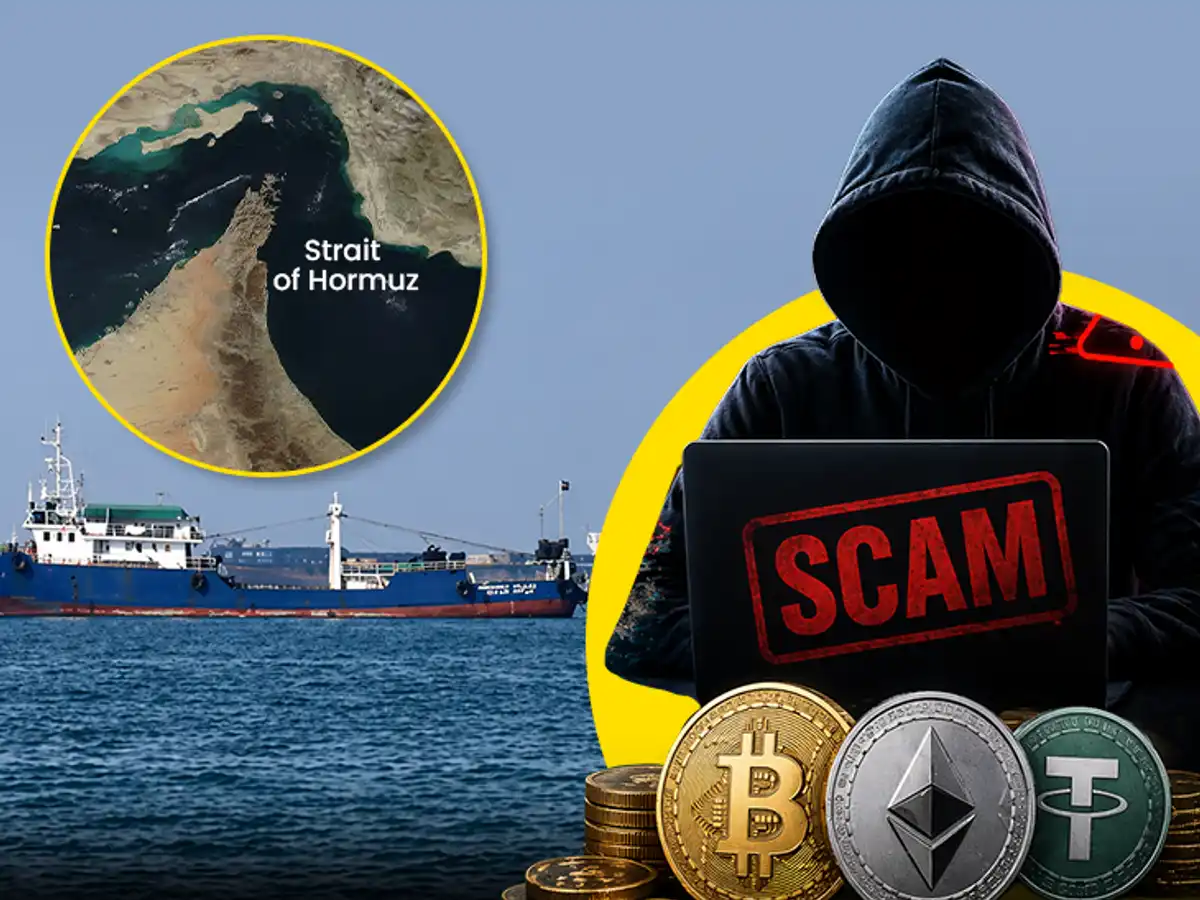
Iran has announced a comprehensive plan to assert control over the strategic Strait of Hormuz, a critical global oil shipping chokepoint. The proposed measures include requiring all vessels to obtain Iranian permission for passage, imposing fees for security, environmental protection, and navigation management—preferably paid in Iranian rials—and absolutely banning Israeli ships. Vessels from countries deemed hostile by Iran’s top security bodies may also be barred. Analysts suggest Iran’s motives are multifaceted: increasing pressure on the U.S. and Israel by leveraging control over oil transit to influence global prices and inflation; creating a new revenue stream, potentially exceeding $7.7 billion annually, to counter Western sanctions and support postwar reconstruction; and using transit permissions as bargaining chips in future negotiations, notably with the U.S. However, the plan faces significant practical and diplomatic challenges. Enforcing comprehensive interception and fee collection in the busy waterway, patrolled by international military forces, would be difficult. The U.S. has already countering with a blockade of Iranian ports and threats to intercept any ship paying fees, potentially strangling Iran’s oil exports and fee revenue. Broad international opposition, led by European and Gulf states, and legal controversies further complicate implementation. The proposal may ultimately serve more as a negotiating tactic than a feasible policy, with its execution remaining highly uncertain.

marsbit04/27 01:30

Can Iran 'Control' the Strait of Hormuz?

marsbit04/27 01:30

活动图片