Artículos Relacionados con NFT

El Centro de Noticias de HTX ofrece los artículos más recientes y un análisis profundo sobre "NFT", cubriendo tendencias del mercado, actualizaciones de proyectos, desarrollos tecnológicos y políticas regulatorias en la industria de cripto.

The Construction of SocialFi Originates from a Misreading of Its Own Medium

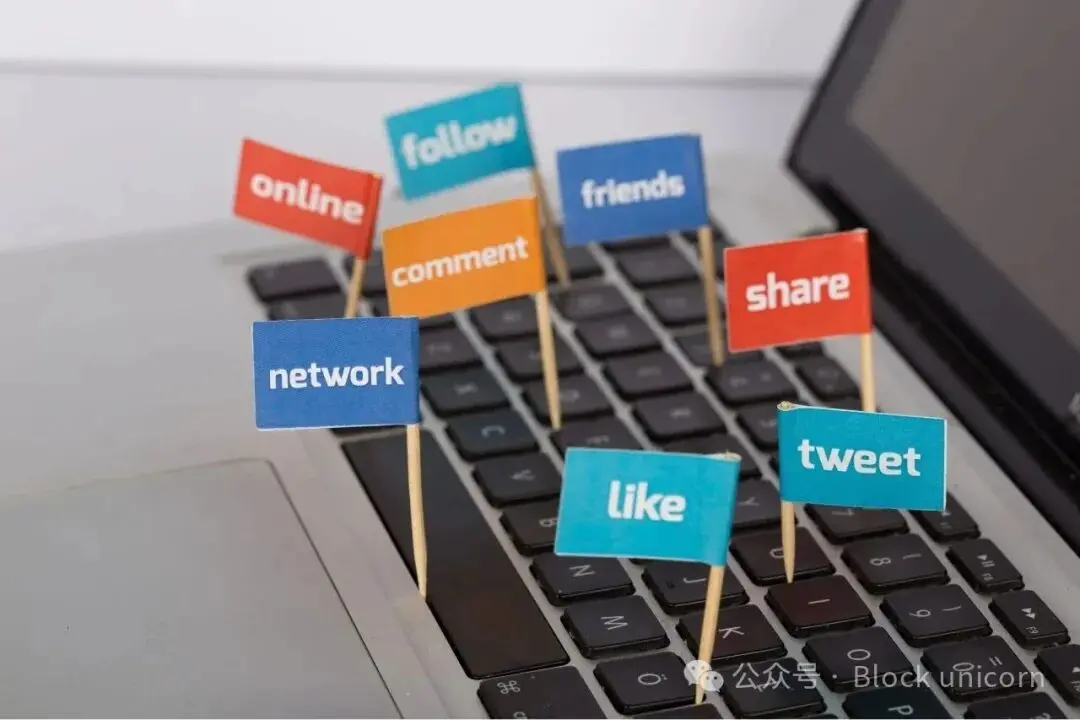
This article argues that the fundamental failure of SocialFi projects like Friend.tech stems from a misunderstanding of social media's core nature. It applies Marshall McLuhan's theory of "hot" and "cool" media. "Cool" media (like traditional social networks) rely on low-resolution, incomplete signals (e.g., a tweet) that require user participation to create meaning. "Hot" media (like radio or print) deliver complete, high-resolution information that encourages passive consumption. SocialFi attempted to layer finance onto social media by making actions like follows and posts directly tradable with visible, real-time prices. However, this financial signal is a definitive "hot" signal. By superimposing it onto the inherently "cool" medium of social interaction, it fundamentally transformed the medium. Users stopped participating socially and instead began allocating capital rationally based on prices. The financial layer consumed the social one, leaving no genuine social substrate when speculation faded. The article extends this analysis to broader platform decay (e.g., Twitter's shift from cool participation to hot performance metrics) and NFTs. NFT platforms, by optimizing collections with real-time floor prices and rarity scores, rapidly "heated up" the traditionally "cool," participation-rich medium of collecting, destroying its cultural essence and leaving only speculative trading. The solution proposed is not to abandon capital in social contexts, but to design for "condensation points"—localized, infrequent financial interfaces (like Substack subscriptions or Patreon memberships) that allow capital to gather without saturating and overheating the core cool medium. The key lesson is that "liquidity is heat"; adding it to a cool medium doesn't enhance it but alters it, often destroying what made it valuable. Successful platforms will be those that introduce capital while meticulously preserving the cool, participatory nature of their underlying medium.

链捕手05/14 09:22

The Construction of SocialFi Originates from a Misreading of Its Own Medium

链捕手05/14 09:22

While Everyone Says NFTs Are 'Dead', the Art World is Quietly Completing an 'On-Chain Renaissance'

While many declare NFTs "dead" and dismiss them as overhyped JPEGs, a significant institutional shift is quietly underway within the art world, signaling a "on-chain renaissance." Traditional art, a ~$60B market, is stagnant, aging, and highly concentrated, facing a massive $80 trillion generational wealth transfer to digital-native heirs. Contrary to the narrative, leading institutions have been building infrastructure for digital and on-chain art. Major museums like MoMA, the Centre Pompidou, LACMA, and the Guggenheim have acquired seminal NFT works into their permanent collections. Top galleries like Pace, Gagosian, and Hauser & Wirth have launched NFT platforms or accepted crypto, with Pace giving a solo show to generative artist Tyler Hobbs. Auction houses Sotheby's and Christie's operate dedicated on-chain sales platforms. This follows a historical pattern where every major art movement—from Impressionism to Pop Art—was initially mocked before institutional acceptance. NFT art, only 7-12 years old, is progressing faster. Auction data shows resilience, with works by Beeple ($69.3M), Pak (~$91M), and Dmitri Cherniak ($6.2M in a bear market) achieving high prices. A new cohort of collectors (e.g., FlamingoDAO, PleasrDAO) and "Medici" figures like Cozomo de' Medici are accumulating foundational works. The core argument is that NFTs represent not a speculative asset class but a new ownership system for digital culture, solving provenance issues through immutable, timestamped blockchain records. The medium has survived the speculative crash and is being institutionalized. The bet isn't on short-term price rallies but on the long-term cultural significance of on-chain art as the defining medium for the next generation of collectors.

marsbit05/12 02:49

While Everyone Says NFTs Are 'Dead', the Art World is Quietly Completing an 'On-Chain Renaissance'

marsbit05/12 02:49

Undercover in Crypto for 8 Years, 5 Jobs: The Revolution and Scam in My Eyes

"Undercover in Crypto for 8 Years, 5 Jobs: The Revolution and the Scam I Saw" In 2017, the author entered crypto believing it would revolutionize everything: replacing fiat, disintermediating finance, and shifting power to users. Eight years later, almost none of that has happened as predicted. The author worked at Circle, Messari, Coinbase, and Crossmint, witnessing the asset class grow from under $10B to over $4T, through multiple speculative bubbles and a near-systemic crisis. The journey began with the 2017-18 ICO frenzy, an "internet bubble 2.0" fueled by Ethereum. The promised "decentralized Uber" never materialized; instead, it was an era of greed, fraud, and rampant speculation where founders cashed out early. In the 2018-19 hangover, the focus shifted. The seeds of crypto's next phase were planted: stablecoins (like USDC) for borderless dollars and DeFi (decentralized finance) for rebuilding financial primitives like lending and trading on-chain. The COVID-19 pandemic and massive monetary stimulus triggered "DeFi Summer" in 2020-21. DeFi's value soared 250x to $180B, but it resembled a high-stakes game for mercenary traders with "food-themed" tokens. A new bubble formed around NFTs, with digital art selling for millions. The 2022 "crypto winter" mirrored the 2008 financial crisis. The collapse of the algorithmic stablecoin Terra (UST) triggered a chain reaction, bringing down hedge funds (Three Arrows Capital) and lending platforms (Celsius, Voyager). The final blow was the implosion of FTX and Sam Bankman-Fried, who had misused customer funds. This was crypto's "Lehman Moment." After the crash, the Biden administration's hostile regulatory crackdown under the SEC pushed innovation toward the legally safest, most absurd path: meme coins. The 2024 meme coin mania peaked at $150B before imploding. This political pressure, however, mobilized the industry. Donald Trump capitalized, promising a crypto-friendly stance, which many credit for helping him win the 2024 election. Trump's victory marked a turning point. A pro-crypto SEC chair took over, the "GENIUS Act" provided clear stablecoin rules in 2025, and institutional adoption accelerated. Circle (maker of USDC) IPO'd, and traditional giants like MoneyGram began using stablecoins for cross-border payments via firms like Crossmint. Looking back, the predicted consumer revolution (decentralized Uber) didn't happen. Instead, crypto built the plumbing for a new internet financial system. Each boom/bust cycle refined the infrastructure for global, 24/7 finance accessible to anyone online. The $300B+ stablecoin market, settling tens of trillions annually and creating demand for U.S. debt, is now a strategic U.S. priority. The future lies in convergence, not replacement. Crypto will be the backend, invisible to most users. The next frontier is integration with AI, where autonomous agents will use crypto wallets and stablecoins to transact. The result will be a global financial system equally accessible in New York or Nigeria, paving the way for countless new innovations.

marsbit05/09 10:20
Undercover in Crypto for 8 Years, 5 Jobs: The Revolution and Scam in My Eyes

marsbit05/09 10:20

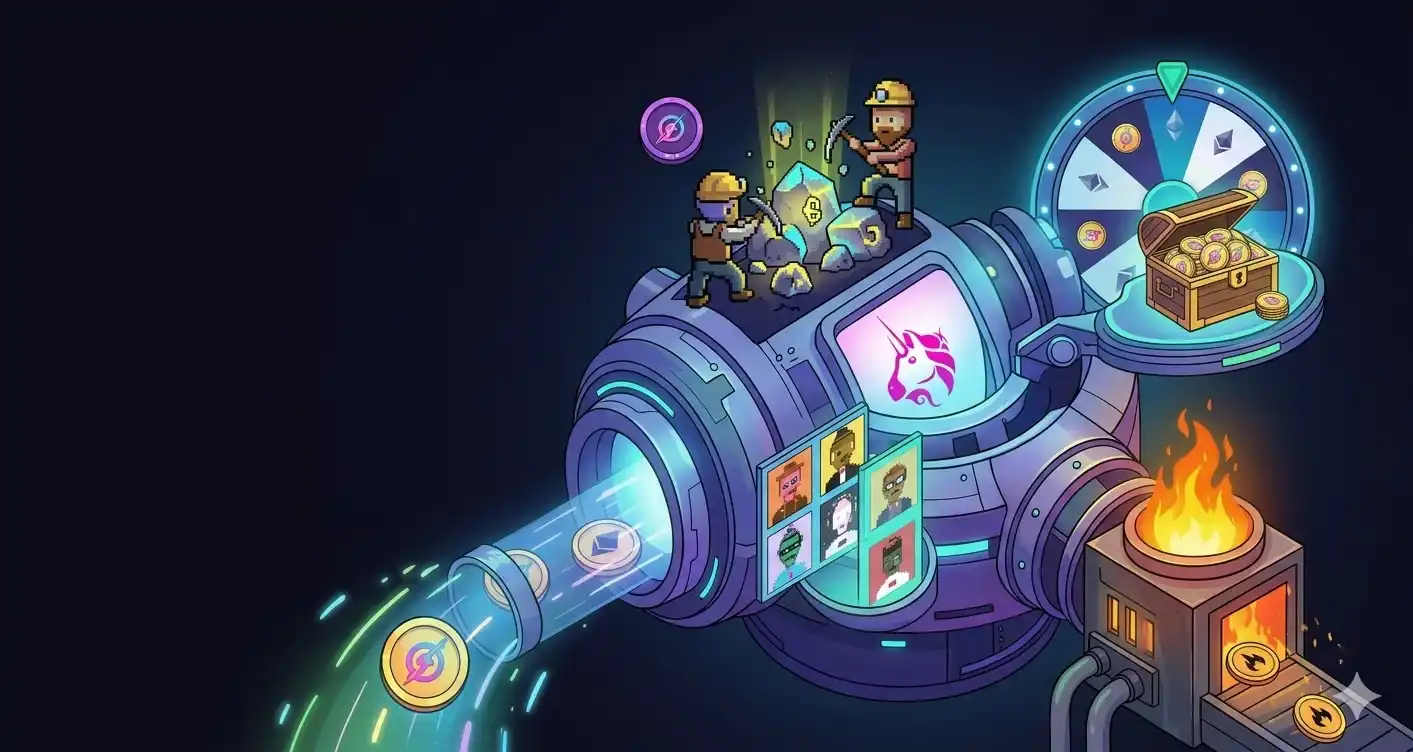
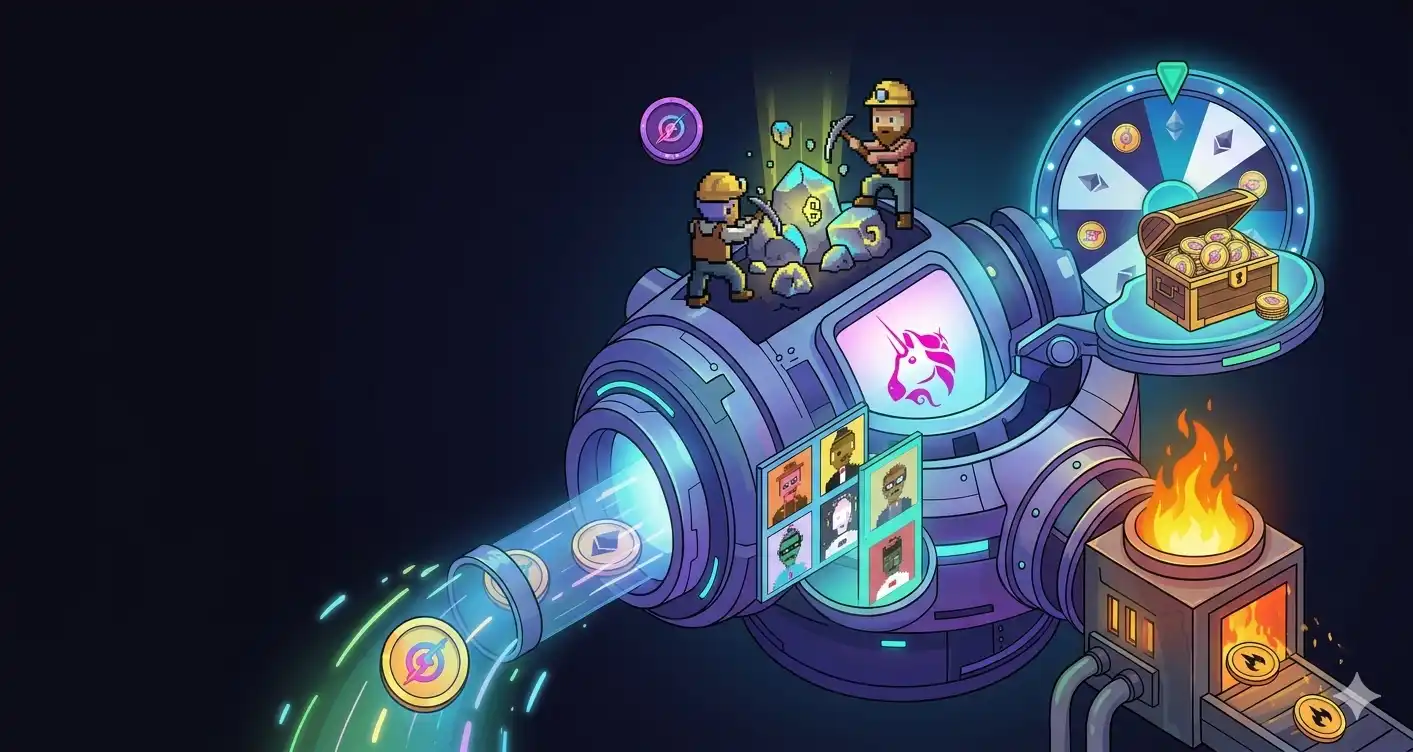
One Article to Understand $UORE: The V4 Hook Project That Packs Mining, Lottery, and NFT Into a Single Transaction

An In-Depth Look at $UORE: The V4 Hook Project Packing Mining, Lotteries, and NFTs into a Single Transaction $UORE is the latest project leveraging the Uniswap V4 Hook mechanism, following in the footsteps of projects like SATO, uPEG, and Slonks. It distinguishes itself by integrating multiple functions—on-chain mining, a buy-to-enter lottery, auto-generated pixel NFTs (Orelings), and a deflationary burn mechanism—all within a single Uniswap V4 liquidity pool transaction. This complexity results in transaction gas fees that are 2-3 times higher than a standard swap. The project's tokenomics are intricate. Each whole $UORE token held automatically mints a corresponding Oreling NFT, a 32x32 pixel miner character with random traits determined by the next block's hash. Each Oreling has a Class (rarity) and Hash value, which combine to form its Mining Power for staking rewards. Rewards are distributed daily from an emission that decays by 1% daily, with an 80/20 split between stakers and a Motherlode lottery pool. A "refined-ore boost" mechanism taxes early reward claims, redistributing 10% to remaining stakers. The Motherlode lottery awards tickets for buys of ≥0.1 ETH, with winning chances scaling up to 1% for 1 ETH purchases. Wins split the pool 50% to the buyer and 50% to a random staker. A 1% buy tax is burned, and a 1% sell tax funds an automatic buyback-and-burn mechanism triggered at 0.1 ETH. The project's code is a fork of uPEG, with claimed fixes for NFT duplication and flash loan attacks. Its creator, Noah, describes it as a fusion of Solana's ORE mining concept with uPEG's V4 Hook framework. Key challenges noted include high gas costs, the narrowing attention window for V4 Hook narratives as it's the fourth such project, and significant complexity that creates a high barrier to understanding for users. The project's whitepaper notably advises users to "Read the contracts and understand the mechanics before deploying capital," underscoring its complex and fast-moving nature within a trend where the "alpha" lifespan for new projects appears to be shrinking rapidly.

marsbit05/09 02:23

One Article to Understand $UORE: The V4 Hook Project That Packs Mining, Lottery, and NFT Into a Single Transaction

marsbit05/09 02:23

活动图片