# Interview Articoli collegati

Il Centro Notizie HTX fornisce gli articoli più recenti e le analisi più approfondite su "Interview", coprendo tendenze di mercato, aggiornamenti sui progetti, sviluppi tecnologici e politiche normative nel settore crypto.

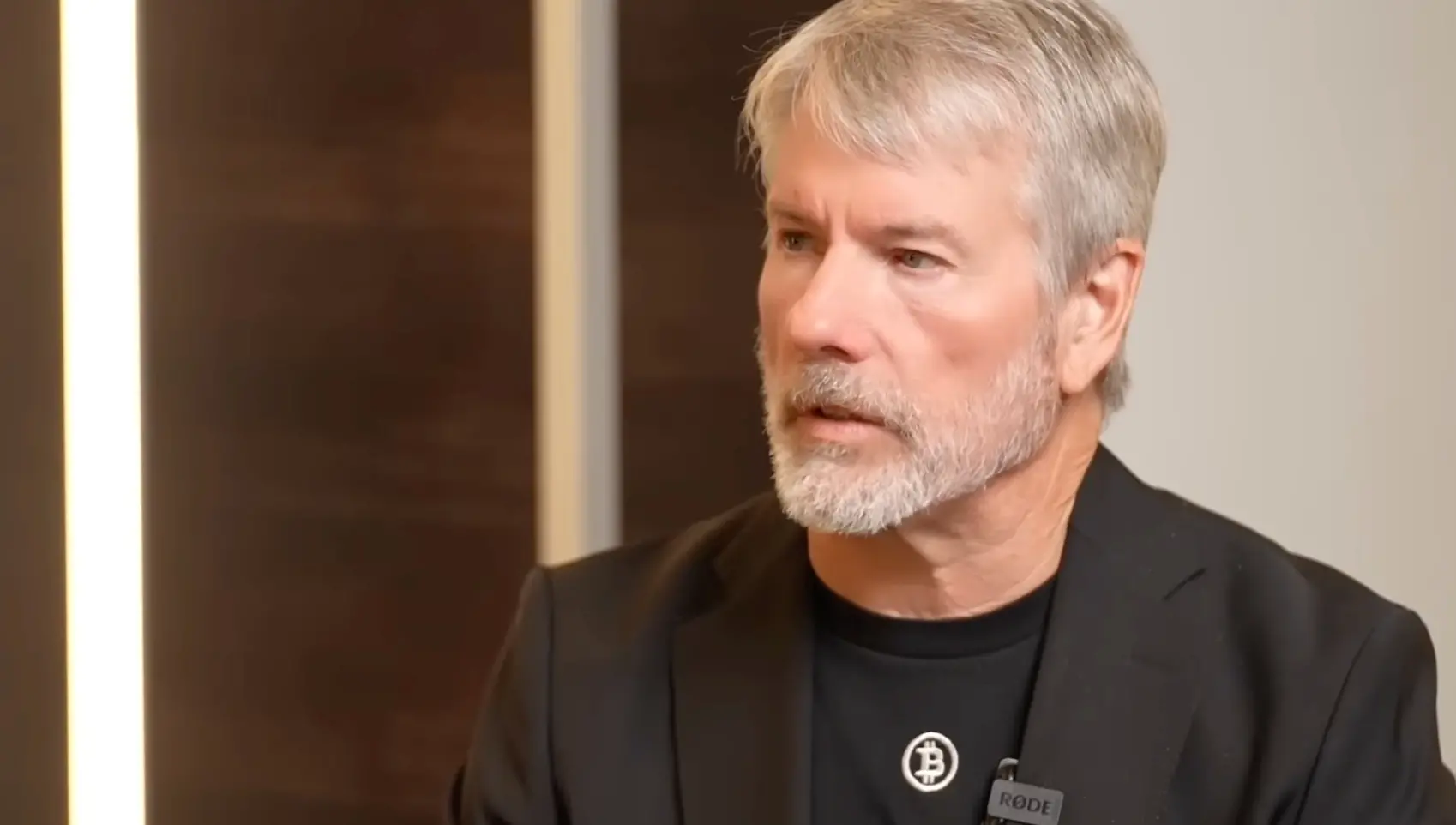
Interview with Michael Saylor: I Did Say I Would Sell Bitcoin, But Never a Net Sale

Interview with Michael Saylor: I Said We'd Sell Bitcoin, But Never Be a Net Seller In a recent podcast, MicroStrategy Executive Chairman Michael Saylor clarified the company's stance on potentially selling Bitcoin. Following MicroStrategy's earnings call statement about being prepared to sell BTC to fund dividends for its STRC (Strategic) credit product, Saylor emphasized the distinction between selling and being a "net seller." Saylor explained the core business model: MicroStrategy sells credit instruments like STRC and uses the proceeds to buy Bitcoin, which is viewed as "digital capital" expected to appreciate around 30-40% annually. A portion of these capital gains can then be used to pay the dividends on the credit products. He stressed that even if the company sells some Bitcoin for dividends, it simultaneously buys much more with new credit issuance. For example, after raising $3.2 billion from STRC sales in April, the dividend obligation was only $80-90 million, making the company a net buyer. The clarification aims to counter market narratives questioning the value of Bitcoin on MicroStrategy's balance sheet if it were never sold, and to dismiss claims of a "Ponzi scheme." Saylor reiterated his personal philosophy for investors: "Don't be a net seller of bitcoin" and ensure your Bitcoin holdings increase each year. Saylor also discussed Bitcoin's role as the foundation for "digital credit," noting that STRC has become the largest and most liquid preferred stock issue in the U.S., offering high risk-adjusted returns (Sharpe ratio). He highlighted Bitcoin's deep liquidity, stating that even large purchases by MicroStrategy do not move the market significantly, which is driven by macro factors, geopolitical tensions, and capital flows from ETFs and credit products. Finally, Saylor reflected on his early inspiration from sci-fi books, which motivated his path to MIT, and maintained his fundamental thesis on Bitcoin remains unchanged: it is superior digital capital enabling superior digital credit.

链捕手05/11 06:26

Interview with Michael Saylor: I Did Say I Would Sell Bitcoin, But Never a Net Sale

链捕手05/11 06:26

Interview with KK, UXLINK Ecosystem Lead: Not a Prisoner, Just a Player, Staying in Web3 Because 'It's Fun'

Interview with Kongkou (KK), UXLINK Ecosystem Lead: "Not a Prisoner, Just a Player – Staying in Web3 Because It’s Fun" KK, UXLINK’s Ecosystem Lead, shares his unconventional journey into Web3. With a background in economics and experience spanning Swedish manufacturing supply chains, Hasselblad (under DJI), and community growth in Web3, he emphasizes adaptability over formal credentials. He entered Web3 in 2021, learning through hands-on experience—earning and losing in NFTs, participating in early Solana trading, and navigating GameFi downturns. He believes real learning comes from taking risks and experiencing losses firsthand. At UXLINK, KK drove significant growth through well-timed, mechanism-focused campaigns like joint airdrops, leveraging Telegram’s invite-based reward system. He stresses that timing and structure matter more than creativity in driving user adoption. KK also reflects on a major security breach UXLINK suffered—a costly lesson highlighting that security is a discipline issue, not just a technical one. He advises strict measures like physical isolation, avoiding cloud-stored seed phrases, and using dedicated devices for financial operations. Despite challenges, he remains in Web3 for the positive team environment and personal enjoyment. He embraces AI tools for work and life, balances stress with sports like climbing and squash, and advises newcomers to network actively and keep learning. Beyond Web3, KK is a craft beer enthusiast, recommending Japanese lagers for beginners and stouts or IPAs for advanced drinkers, with a shout-out to Shanghai’s 233 Bar. His philosophy centers on staying relaxed, avoiding industry burnout, and valuing longevity over short-term gains.

marsbit03/10 09:32

Interview with KK, UXLINK Ecosystem Lead: Not a Prisoner, Just a Player, Staying in Web3 Because 'It's Fun'

marsbit03/10 09:32

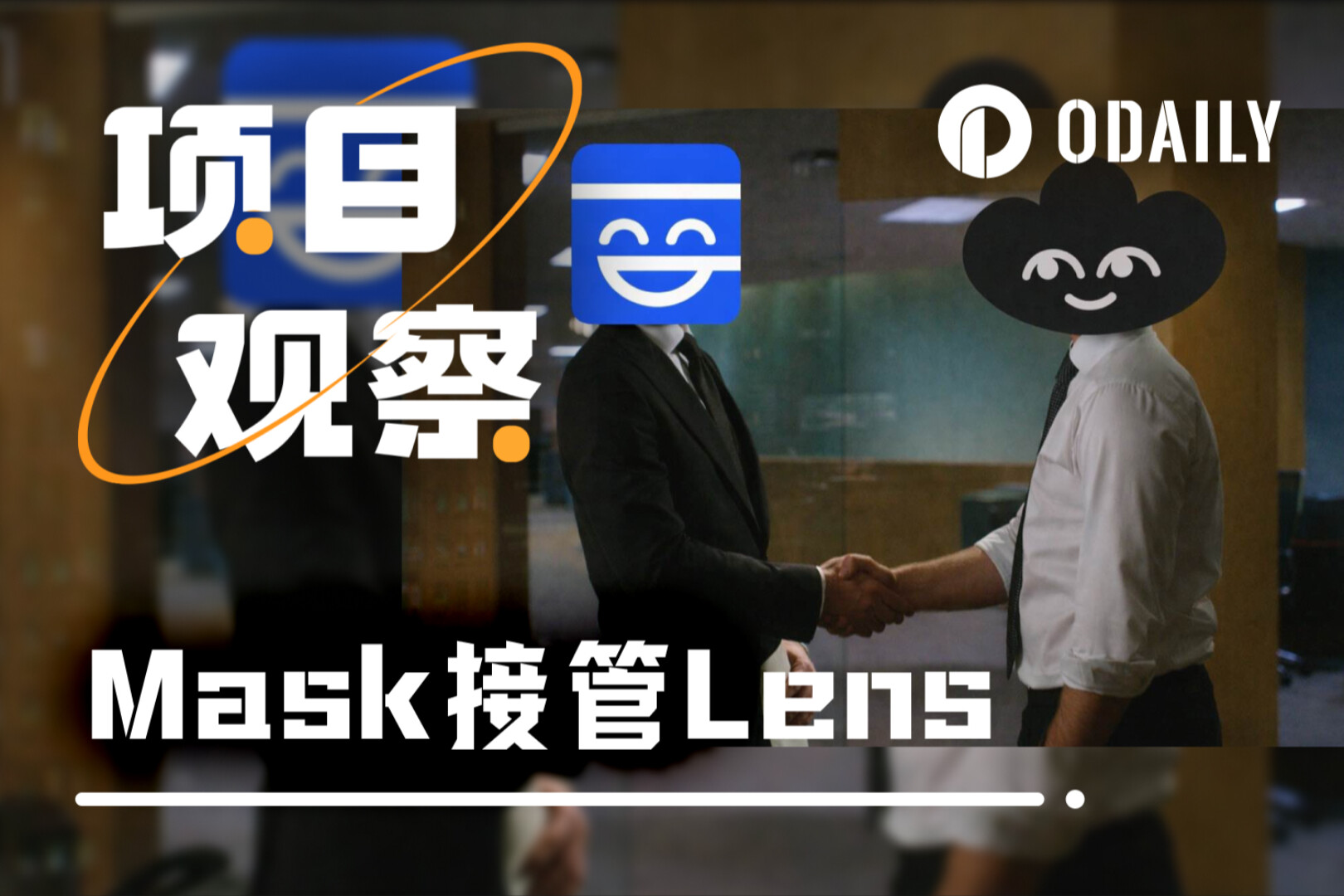
Exclusive Interview with Suji: Taking Over the Hot Potato Lens, Whose Ideal Is Mask Paying For?

Interview with Suji Yan: Taking Over the "Hot Potato" Lens—Whose Ideal is Mask Network Betting On? On January 20, the decentralized social protocol Lens announced the transfer of its project management to Mask Network, with the original team stepping back as technical advisors. This move sparked significant discussion in the crypto community. While many were not surprised by Stani Kulechov’s decision to hand off Lens—given the declining interest in decentralized social platforms—it raised questions about why Mask would take on what some consider a “mess.” Lens was once a star in the SocialFi space, backed by Aave’s founder, solid technology, and a compelling narrative of user-controlled social networking. However, by 2025, its growth stalled, especially after the launch of Lens Chain without an accompanying token. Mask Network, founded in 2017, aims to bridge Web2 and Web3. Its browser extension allows users to access Web3 services on platforms like X and Facebook. According to Suji Yan, Mask’s founder, the decision to take over Lens was driven by shared vision and trust. Both he and Stani believe that decentralized social platforms should avoid over-monetization and token-centric models, which they see as a core reason for the failure of projects like Friend.tech. Suji criticizes Farcaster for lacking neutrality and being too aligned with Coinbase, while praising Lens for its independence. He emphasizes that “non-neutral social platforms are doomed to fail,” citing Truth Social as an example of a biased platform with limited reach. Under Mask’s management, Lens will integrate with Mask’s existing products like web3.bio, Orb, and Firefly—a social app that deeply integrates with X, allowing cross-posting to Lens, Farcaster, and Bluesky. This aligns with Mask’s goal of building Web3 social on top of Web2, rather than in opposition to it. Suji acknowledges the challenges: without token incentives, attracting users is difficult. However, he believes that focusing on product quality and user experience—not short-term gains—will ultimately succeed. He remains committed to the long-term vision of seamlessly connecting Web2 and Web3 users, despite the uncertainties ahead.

Odaily星球日报01/23 13:19

Exclusive Interview with Suji: Taking Over the Hot Potato Lens, Whose Ideal Is Mask Paying For?

Odaily星球日报01/23 13:19

活动图片