Банк Англии смягчит «излишне консервативные» правила для стейблкоинов после критики со стороны индустрии — отчет

bitcoinistPublished on 2026-05-15Last updated on 2026-05-15

Abstract

Банк Англии планирует смягчить свои предложенные правила для стейблкоинов после критики со стороны криптоиндустрии и парламентариев. Заместитель управляющего по финансовой стабильности Сара Бриден признала, что первоначальные предложения, включавшие временные лимиты на владение стейблкоинами (10–20 тысяч фунтов для физических лиц и 10 миллионов для бизнеса) и требование о хранении 40% резервов в виде беспроцентных депозитов в центральном банке, могли быть «излишне консервативными» и операционно громоздкими. Критики утверждали, что такие меры подорвут конкурентоспособность Великобритании и будут непрактичными. Банк Англии теперь изучает альтернативные способы достижения своей цели — создания безопасного режима для стейблкоинов, который также позволит им развиваться и приносить пользу пользователям.

Банк Англии (BoE) готов смягчить свои планируемые правила для стейблкоинов и изучает альтернативные решения для снижения потенциальных рисков, после давления со стороны местной криптоиндустрии и ряда законодателей, вызванного предлагаемыми ограничениями.

BoE называет планы по стейблкоинам «излишне консервативными»

В четверг заместитель управляющего Банка Англии по финансовой стабильности Сара Бриджен заявила, что центральный банк готов смягчить свои спорные регуляторные планы в отношении стейблкоинов.

В интервью Financial Times (FT) Бриджен признала, что предложение регулятора, возможно, было «излишне консервативным» и что финансовый регулятор «очень серьезно рассматривает» потенциальные решения.

BoE предложил временный лимит на владение стейблкоинами в консультационном документе за ноябрь, чтобы «смягчить риски для финансовой стабильности, возникающие из-за крупных и быстрых оттоков депозитов из банковского сектора».

Ограничение было направлено на установление лимитов владения в размере от 10 000 до 20 000 фунтов стерлингов для физических лиц и 10 миллионов фунтов стерлингов для предприятий, что напоминает предложенный подход к цифровому фунту, который также был призван решить проблемы финансовой стабильности.

Кроме того, центральный банк предложил, чтобы системно значимые эмитенты стейблкоинов держали как минимум 40% резервов, обеспечивающих токен, в виде неоплачиваемых депозитов в центральном банке, чтобы гарантировать «надежное погашение и общественное доверие даже в условиях стресса».

В марте Бриджен уже намекнула на готовность пересмотреть предложения BoE во время встречи с Комитетом Палаты лордов по регулированию финансовых услуг. В то время она признала технические сложности лимитов, но заявила, что они «существуют для обеспечения упорядоченного перехода по мере изменения структуры системы».

Между тем, Бриджен сообщила FT, что требование о распределении активов 60:40 было «основано на опыте потенциального стресса ликвидности», в частности, на размере депозитов, изъятых из Silicon Valley Bank в 2023 году, и других недавних кризисах.

Центральный банк пересмотрит подход

Примечательно, что криптоиндустрия и платежные группы в Великобритании резко раскритиковали предложение финансового регулятора, утверждая, что оно нанесет ущерб фунту и поставит Великобританию в невыгодное положение по сравнению с США и Европейским союзом (ЕС).

Саймон Дженнингс, исполнительный директор отраслевого объединения UK Cryptoasset Business Council, заявил, что «лимиты просто не работают на практике», пояснив, что обеспечение соблюдения лимитов потребует «дорогой, сложной новой системы, такой как цифровые удостоверения личности или постоянная координация между кошельками».

Аналогичным образом, коалиция британских законодателей выступила против политики BoE в декабре, заявив, что это может подорвать усилия правительства по позиционированию Великобритании как ведущей страны в индустрии цифровых активов.

Согласно отчету за четверг, Бриджен подтвердила, что «из отзывов индустрии мы поняли, что предложенный нами способ введения лимитов является громоздким в операционном плане для временной меры», и добавила, что индустрия также, судя по всему, предпочитает держать больше активов, приносящих проценты, «поскольку это влияет на их конечный результат».

Теперь центральный банк «искренне открыт для размышлений о том, существуют ли другие способы достижения нашей цели» — создания режима, в котором стейблкоины могут преуспеть и принести пользу пользователям. «Но это деньги, и мы хотим убедиться, что эта новая форма денег безопасна», — заключила она.
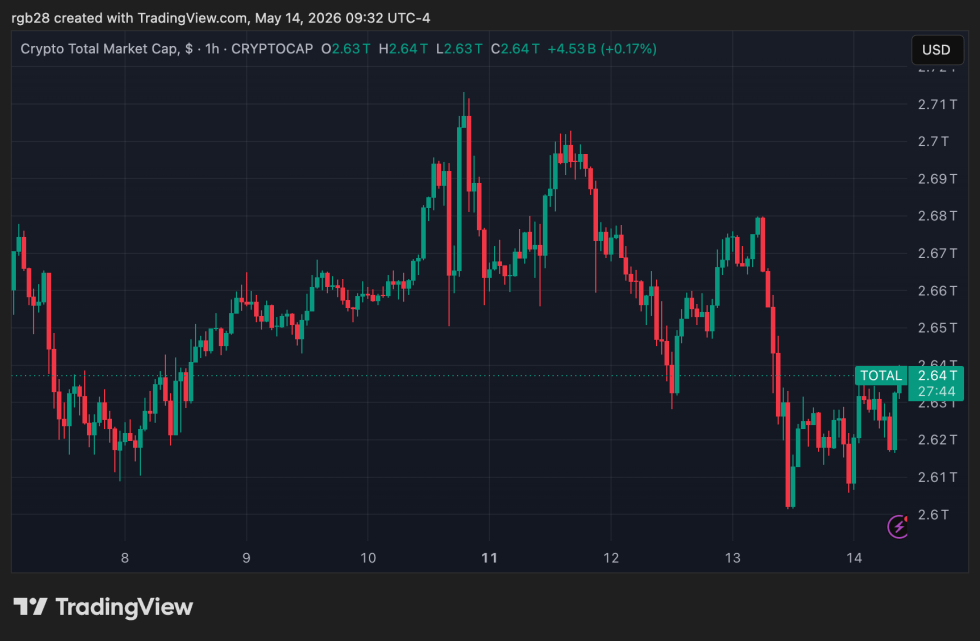
Общая рыночная капитализация криптовалют составляет $2,64 трлн на недельном графике. Источник: TOTAL на TradingView


Related Questions

QЧто заявила заместитель управляющего Банка Англии Сара Бриден о первоначальных планах регуляции стейблкоинов?

AСара Бриден заявила, что первоначальные предложения регулятора могли быть «излишне консервативными», и что регулятор активно ищет потенциальные решения, чтобы смягчить правила.

QКакие конкретные ограничения для стейблкоинов изначально предложил Банк Англии в ноябрьском консультационном документе?

AБанк Англии предложил временный лимит на владение стейблкоинами: от 10 000 до 20 000 фунтов стерлингов для физических лиц и 10 миллионов фунтов для предприятий. Также было предложено, чтобы системно значимые эмитенты держали не менее 40% резервов в виде неоплачиваемых депозитов в центральном банке.

QПочему криптоиндустрия и законодатели Великобритании критиковали предложенные Банком Англии правила?

AИндустрия и законодатели критиковали правила, утверждая, что они нанесут ущерб фунту стерлингов и поставят Великобританию в невыгодное положение по сравнению с США и ЕС. Также указывалось, что лимиты «не работают на практике» и требуют сложной дорогостоящей системы для контроля, а жесткие требования к резервам лишают бизнес доходов от процентов.

QКакой опыт, по словам Сары Бриден, лег в основу требования о распределении активов 60:40 для резервов стейблкоинов?

AПо словам Сары Бриден, требование о том, чтобы эмитенты держали часть резервов в ликвидных активах, было основано на опыте потенциального стресса ликвидности, в частности, на примере масштабов изъятия депозитов из Silicon Valley Bank в 2023 году и других недавних кризисов.

QКакова нынешняя позиция Банка Англии в отношении регулирования стейблкоинов, согласно статье?

AБанк Англии пересматривает свой подход и готов смягчить предложенные правила. Регулятор «искренне открыт для размышлений о том, существуют ли другие способы достижения» своей цели — создать режим, при котором стейблкоины могут преуспеть и принести пользу пользователям, оставаясь при этом безопасной формой денег.

Related Reads

MY Group Completes Web4.0 First Stock Listing Layout, SEC Officially Discloses Form 8-K Announcement

MY Group has completed the listing layout for the "Web4.0 First Share," with the U.S. Securities and Exchange Commission (SEC) formally disclosing a Form 8-K report. According to the filing, the company's board has officially appointed Mr. Zhang Dingwen as Chief Executive Officer (CEO) and Executive Director, marking a significant upgrade in management and the entry into a new phase of its global capital market strategy. The disclosure of Form 8-K, used for reporting major corporate events, coincides with market information indicating the company is advancing several key capital market initiatives. These include a global brand system upgrade, corporate strategic restructuring, and a change of its stock ticker symbol. These moves are viewed by industry experts as signals of accelerated internationalization and enhanced global market presence. Concurrently, MY Group's proposed "Web4.0 Ecosystem" is garnering market attention. The company is integrating core capabilities across social traffic portals, global payment systems, public blockchain infrastructure, digital asset trading, and AI-powered financial systems. Analysts suggest that by closing this ecosystem loop, MY Group has the potential to become a next-generation platform merging Web2 user scale with Web3 asset frameworks and AI financial capabilities. With the management upgrade finalized, the global brand strategy launched, and the stock ticker change pending, MY Group is positioning itself as a focal point in the global technology capital market as a potential leading Web4.0 platform enterprise.

marsbit2h ago

MY Group Completes Web4.0 First Stock Listing Layout, SEC Officially Discloses Form 8-K Announcement

marsbit2h ago

In the AI Era, How to Onboard Without Starting from Scratch

In the AI era, onboarding new employees often resembles a botched relay race baton handoff, where the organization maintains speed while the newcomer starts from zero. The author, after joining Ramp, argues the core problem is a lack of accessible, shared organizational "context"—the collective knowledge from meetings, documents, Slack discussions, and decisions. Instead of relying on slow, manual onboarding or isolated AI tools, the solution is building a continuously updated "company brain." This system acts as a central, AI-native knowledge base that absorbs all company signals. The author describes building a prototype using an Obsidian vault powered by Claude, fed by automated meeting transcripts and notes, and topped with reusable agent "skills." The current enterprise AI approach, deploying specific workflow agents, is likened to the "chatbot era"—useful but disconnected. The real gap is the absence of a shared brain that all agents and employees can access from day one. The future lies in making context layer infrastructure the priority: write context first, then install tools; record every meeting; build the wiki before the dashboard. When new hires, AI agents, and even customers can immediately access this living company brain, the costly "ramp-up" period becomes obsolete. True organizational speed is achieved when maximum velocity and seamless context transfer happen simultaneously.

marsbit4h ago

In the AI Era, How to Onboard Without Starting from Scratch

marsbit4h ago

Trading

Spot
Futures

Hot Articles

What is $BANK

Bank AI: A Revolutionary Step in the Future of Banking Introduction In an era marked by rapid advancements in technology, Bank AI stands at the intersection of artificial intelligence (AI) and banking services. This innovative project seeks to redefine the financial landscape, enhancing operational efficiency, security measures, and customer experiences through the power of AI. As we embark on this exploration of Bank AI, we will delve into what the project entails, its operational dynamics, its historical context, and significant milestones. What is Bank AI? At its core, Bank AI represents a transformative initiative aimed at integrating artificial intelligence into various banking operations. This project harnesses the capabilities of AI to automate processes, improve risk management protocols, and enhance customer interaction through personalised services. The primary objectives of Bank AI include: Automation of Banking Functions: By leveraging AI technologies, Bank AI aims to automate routine tasks, reducing the burden on human resources and enhancing efficiency. Enhanced Risk Management: The project utilises AI algorithms to predict and identify risks, thereby fortifying security measures against fraud and other threats. Personalisation of Banking Services: Bank AI focuses on offering tailored financial products and services by analysing customer data and behaviours. Improving Customer Experience: The implementation of AI-driven solutions, such as chatbots and virtual assistants, aims to provide users with more human-like interactions, revolutionising the way customers engage with banks. With these goals, Bank AI positions itself as a crucial player in rendering banking more efficient, secure, and user-centric. Who is the Creator of Bank AI? Details regarding the creator of Bank AI remain unknown. As such, no specific individual or organisation has been identified in the available information. The anonymity surrounding the project's inception raises questions but does not detract from its ambitious vision and objectives. Who are the Investors of Bank AI? Similar to the project's creator, specific information regarding the investors or supporting organisations of Bank AI has not been disclosed. Without this information, it is challenging to outline the financial backing and institutional support that might be propelling the project forward. Nevertheless, the importance of having a robust investment foundation is pivotal for sustaining development in such an innovative field. How Does Bank AI Work? Bank AI operates on several innovative fronts, focusing on unique factors that differentiate it from traditional banking frameworks. Below are key operational features: Automation: By applying machine learning algorithms, Bank AI automates various manual processes within banks. This results in reduced operational costs and allows human workers to redirect their efforts towards more strategic activities. Advanced Risk Management: The integration of AI into risk management practices equips banks with tools to accurately predict potential threats such as fraud, ensuring that customer information and assets remain secure. Tailored Financial Recommendations: Through continuous learning from customer interactions, the AI systems develop a nuanced understanding of user needs, enabling them to offer tailored advice on financial decisions. Enhanced Customer Interactions: Utilizing chatbots and virtual assistants powered by AI, Bank AI enables a more engaging customer experience, allowing users to have their queries resolved quickly, thus reducing wait times and improving satisfaction levels. Together, these operational features position Bank AI as a pioneer in the banking sector, establishing new benchmarks for service delivery and operational excellence. Timeline of Bank AI Understanding the trajectory of Bank AI requires a look at its historical context. Below is a timeline highlighting important milestones and developments: Early 2010s: The conceptualisation of AI integration into banking services began to gain attention as banking institutions recognised the potential benefits. 2018: A marked increase in the implementation of AI technologies occurred when banks started using AI tools like chatbots for basic customer service and risk management systems for improved security handling. 2023: The sophistication of AI continued to advance, with generative AI being introduced for more complex tasks such as document processing and real-time investment analysis. This year marked a significant leap in the capabilities afforded to banks by AI technology. 2024-Current Status: As of this year, Bank AI is on an upward trajectory, with ongoing research and developments poised to further enhance capabilities in banking operations. Continued exploration of AI applications hints at exciting developments yet to come. Key Points About Bank AI Integration of AI in Banking: Bank AI focuses on adopting artificial intelligence to streamline banking processes and improve user experiences. Automation and Risk Management Focus: The project strongly emphasises these areas, aiming to shift the burden of routine tasks while enhancing security frameworks through predictive analytics. Personalised Banking Solutions: By harnessing customer data, Bank AI enables tailored banking services that cater to individual user needs. Commitment to Development: Bank AI remains committed to ongoing research and development efforts, ensuring its adaptability and ongoing relevance as technology continues to evolve. Conclusion In summary, Bank AI exemplifies a crucial step forward in the banking industry, leveraging artificial intelligence to reshape operational paradigms, enhance security, and promote customer satisfaction. Despite gaps in information surrounding the creator and investors, the clear objectives and functional mechanisms of Bank AI provide a strong foundation for its ongoing evolution. As AI technology continues to advance and merge with the banking sector, Bank AI is well-positioned to significantly impact the future of financial services, enhancing the way we understand and interact with banking.

152 Total ViewsPublished 2024.04.06Updated 2024.12.03

What is $BANK

Discussions

Welcome to the HTX Community. Here, you can stay informed about the latest platform developments and gain access to professional market insights. Users' opinions on the price of BANK (BANK) are presented below.

活动图片