A Decade's Bet on Cerebras: How the 'Wafer-Scale AI Chip' Reached NASDAQ

marsbit2026-05-15 tarihinde yayınlandı2026-05-15 tarihinde güncellendi

Özet

"Cerebras, a pioneering AI chip company, successfully debuted on NASDAQ (CBRS) on May 14, 2026, with its stock price surging approximately 68% on the first day. This marks a significant milestone following a decade-long journey, as recounted by early investor Steve Vassallo. The story begins not in 2016, but with the deep, 19-year relationship between Vassallo and founder Andrew Feldman, which started with Feldman’s previous company, SeaMicro (acquired by AMD in 2012). In 2016, Feldman and a core team of chip and system experts sought to challenge the emerging consensus. At a time when AI’s practical utility was still debated and GPUs were becoming the default hardware, they envisioned a fundamentally new computer architecture purpose-built for AI workloads. They identified memory bandwidth, not raw compute power, as the critical bottleneck for neural networks. Defying industry inertia, Cerebras pursued a radical, wafer-scale chip design—58 times larger than the biggest existing chips. This meant confronting and solving a cascade of unprecedented engineering challenges: power delivery, thermal management, and maintaining electrical continuity across tens of thousands of connections. It required reinventing nearly every aspect of modern computing—semiconductors, systems, data structures, software, and algorithms. The path was fraught with setbacks, including a prototype that caught fire on its first power-up. Progress was marked by intense, iterative problem-solving, with t...

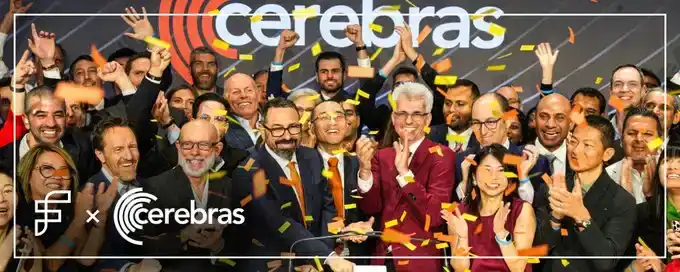
Editor's Note: On May 14th, Cerebras officially listed on the NASDAQ under the ticker symbol CBRS. Its closing price on the first day rose approximately 68% above the issue price, making it one of the most notable AI hardware IPOs since 2026.

This article is written by Steve Vassallo, an early investor in Cerebras, who recounts his nearly nineteen-year partnership with Andrew Feldman, spanning from SeaMicro to Cerebras. On the surface, the article tells the venture capital story from term sheet to IPO. In essence, it chronicles how a frontier hardware company bet on the fundamental reconstruction of AI computing architecture during a period when consensus was skeptical: From wafer-scale chips and memory bandwidth bottlenecks to a series of engineering challenges in power supply, heat dissipation, and electrical continuity, what Cerebras faced was not a single-point technological challenge, but the re-invention of an entire modern computing system.

The most noteworthy aspect is not that Cerebras ultimately created a wafer-scale chip 58 times larger than traditional chips, but that from the outset, this company chose a direction contrary to industry inertia: When GPUs became the default answer for AI training, it attempted to redefine "what a computer designed for AI truly is." Behind this lies not only technical judgment but also the patience of capital, and, crucially, the long-term, non-transactional trust relationship between investors and the founding team.

For today's AI hardware competition, the significance of Cerebras lies in reminding the market that the compute revolution isn't just about stacking more GPUs; it may also come from re-imagining the computing architecture itself.

The following is the original text:
Friday, April 1st, 2016. I sent Andrew Feldman an email, telling him I would climb over the fence in his backyard and hand-deliver our term sheet for investing in Cerebras to him.

It was April Fools' Day, but I wasn't joking.
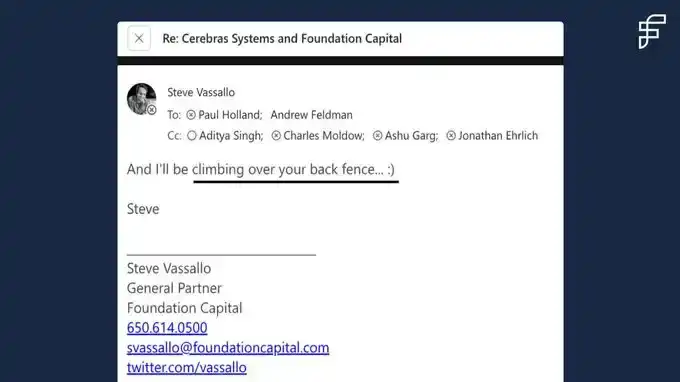
Strictly speaking, this wasn't standard operating procedure for a venture capital firm. But by then, I had known Andrew for nine years and had been discussing his next company with him for nearly two years. I couldn't afford to miss this deal over some sentence in the term sheet that was still being revised on a Saturday afternoon.

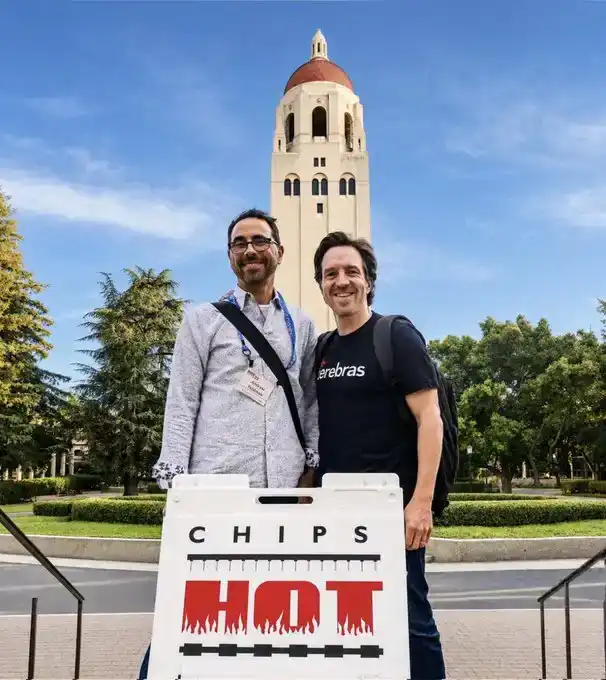
I first met Andrew in October 2007. At that time, he and Gary Lauterbach had just founded SeaMicro. I didn't invest in that round, but we really clicked, especially admiring their first-principles approach to problem-solving. I've been following them ever since.

Truly valuable relationships need time to mature. The same is true for truly valuable companies. Today, viewed from the outside, Cerebras is a ten-year-old company about to go public. But in my view, this is the culmination of a nineteen-year relationship, finally reaching the bell-ringing moment.
Deep Relationships, and Unreasonable Ambition

When AMD acquired SeaMicro in 2012, I had a hunch: Andrew wouldn't stay long in a big corporation. He possesses a strong unwillingness to lose and a rebellious heart. By early 2014, he was already looking for opportunities to leave, and we began meeting frequently to discuss what could be next.

At that time, two things were far from consensus: First, that AI would actually become useful; second, that GPUs were not the optimal computing architecture for AI.

Regarding the first question, many smart people I knew also disagreed. After AlexNet emerged in 2012, some corners of the research community had already begun achieving near-magical results with convolutional neural networks. But in the broader software industry, AI was still somewhere between a marketing buzzword and a research project.

The second question, the hardware question, had hardly been seriously raised. GPUs had become the default choice for neural network training, mainly because researchers accidentally discovered they were "less bad" compared to CPUs. Building a new computing system specifically for AI workloads meant challenging the mainstream architecture then being used by researchers worldwide.

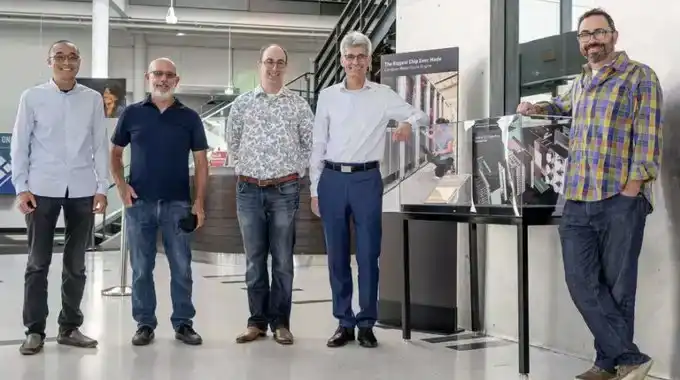
But Andrew, Gary, and their co-founders Sean, Michael, and JP saw a different path. They each brought decades of experience in chips and systems: Gary's background stemmed from pioneering work on dataflow and out-of-order execution in the 1980s; Sean focused on advanced server architecture; Michael handled software and compilers; JP was deeply versed in hardware engineering. They were an exceptionally rare group: individually outstanding; collectively, their capabilities multiplied. They could imagine an entirely new kind of computer.

They believed that if AI truly unlocked its potential, the resulting market size would far exceed the sum of all existing computing paradigms.

They also saw the essence of the GPU: It was originally a chip designed for graphics processing, just temporarily promoted as an AI training tool on a new battlefield. It was indeed better at parallel processing than CPUs, but if one designed from scratch for AI workloads, no one would create an architecture like the GPU. What truly limited neural network capabilities was not raw compute power, but memory bandwidth. This meant the chip they aimed to create would not primarily optimize matrix multiplication in isolated cores, but rather how data flows efficiently throughout the entire computational structure.

Internally, investing in Cerebras was far from a consensus decision. Several of my partners had seen the previous round of semiconductor investments resulting in mostly losses, and they were very candid about their concerns. But ultimately, we agreed as a team. That weekend in April 2016, we clearly told Andrew: We wanted to be the first to give him a term sheet.

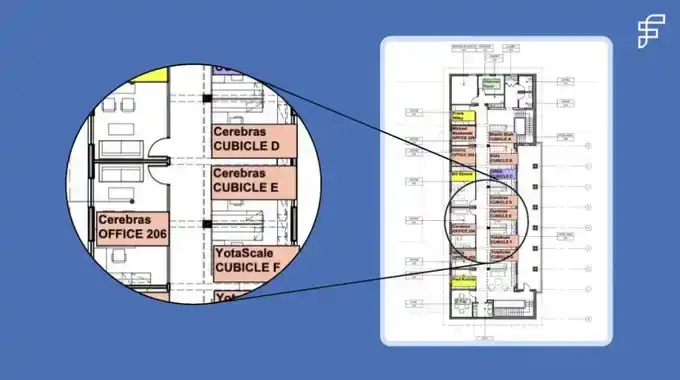
A few weeks later, Andrew, Gary, Sean, Michael, and JP moved into our EIR office space on the second floor at 250 Middlefield. I still have the floor plan the office manager drew back then. On that map, Cerebras sat next to a founder from Foundation, just a few doors away from Bhavin Shah, who later founded Moveworks. It was a good floor for startup growth.
Knowing Which Rules Can Be Bent, Which Must Be Broken

Before Cerebras, the largest chip in computing history was roughly 840 square millimeters, about the size of a postage stamp. The chip Cerebras created measures 46,000 square millimeters, 58 times larger than its predecessor.

Choosing a wafer-scale chip also meant choosing all the downstream design challenges that came with it. In the nearly 80-year history of computing, no one had truly accomplished this before. It also meant that no one had systematically solved these problems: How to power such a massive chip? How to cool it? How to maintain electrical continuity across tens of thousands of connection points?

To achieve wafer-scale computing, Cerebras essentially had to simultaneously reinvent nearly every facet of modern computing: semiconductors, systems, data structures, software, and algorithms. Each direction alone could be a startup. Andrew and his team chose to tackle the most difficult technical problems first. Through their intense, almost tireless efforts, these problems were tackled one by one.

Every six to eight weeks, we'd have a board meeting. They would walk us through what they had tried since the last meeting: a new variant of system design, a new power delivery scheme, or a thermal management adjustment. By repeatedly confronting systemic challenges head-on from every angle, they developed a hard-won clarity in articulation. They would explain where they thought things went wrong and what they planned to try next.

We would ask questions, then dive deep with the team, mobilizing the people, resources, and connections needed to help them find new approaches. Six to eight weeks later, when we met again, the story would repeat with another technical frontier: another boundary that needed exploring. Each solution would reveal the next problem that had to be solved.

Their first prototype wafer literally smoked the first time they powered it on. The team called it a "thermal event"—what you call a fire when you don't want to scare the board or the landlord.

I had been calculating power consumption per square millimeter, partly out of curiosity, partly because the numbers seemed too high to be true. So, we brought in engineers from Exponent, a failure analysis firm whose former company name was, aptly, Failure Analysis. They confirmed that the power numbers were indeed as audacious as they appeared and helped us think through options that didn't challenge the second law of thermodynamics. After all, that was one law Andrew was smart enough not to argue with.

The discipline of an engineer lies in knowing which rules can be broken, which can be bent, and which must be respected. Andrew and his team had a practiced intuition for that distinction. They knew when they were challenging convention—which they intended to do—and when they were challenging physics—which they did not.

When you're building frontier technology, failure is inevitable. The only way through it is discipline, persistence, and most importantly, trust: trust in the mission, trust in each other, and trust in the idea that when the first prototype self-destructs, you'll all be back in the lab the next morning for the next iteration.

There's no transactional version of this work. There's only the long-term version: staying in the room, through the incomplete solutions and patient explanations, so that when it finally works, you are there to see it.

That moment arrived in August 2019. Andrew, Sean, and their team stood in the lab, watching a new computer they had designed from scratch run for the first time. To an outsider, it superficially didn't seem to be doing anything interesting. According to Andrew, it was probably about as exciting as watching paint dry. The difference this time was: no bucket of "paint" like this had ever dried before. They stood there together for 30 minutes, then went back to work.

Who You Build With, Matters

Some people choose problems based on what they know they can solve. Andrew's criteria for choosing problems is what he believes is worth solving. Incremental iteration doesn't excite him; he wants 1000x leaps. From day one, he wanted to build Cerebras into a generational, one-of-a-kind company.

Part of that drive comes from his personality. Andrew describes it as a computer architect's "disease"—being haunted by an idea for decades. But to me, it's more broadly a founder's "disease." He looks at a problem and first asks himself: Can I make something that causes a step-function improvement? Then he asks: If I succeed, will anyone care? If the answer to both is yes, he will commit the next decade of his life to it.

Another part of that drive comes from his upbringing. Andrew grew up surrounded by geniuses as naturally as most kids grow up watching TV. His father was a pioneering evolutionary biology professor who played rotating doubles tennis every Sunday with six other people. Three of those six later won Nobel Prizes, and one won a Fields Medal.

According to Andrew, these giants would patiently explain their work in physics, mathematics, and molecular biology to him in language a child could understand. He formed a deep impression of what true intelligence looks like and also understood, as his mother said, that being smart doesn't mean you have to be a jerk.

I've come to realize this is one of Andrew's core traits, as important as his rebellious ambition and his almost phototropic instinct for truly worthy problems. He deeply believes that the most exceptional people he's encountered are also often extraordinarily kind.

This belief shaped how his team came together to accomplish incredibly hard things. The first 30 people Cerebras hired had all worked with him before; some had been with him since 1996. Today, Cerebras has about 700 employees, and roughly 100 of them have followed him across multiple companies.
The important thing is, kindness and competitiveness are not mutually exclusive. Andrew has an intense desire to win. He likes to say he's a professional version of David, fighting Goliath. Goliath is slow-moving and always guarding against frontal attacks, which leaves room for every other move. David's advantage lies in showing up in ways and places Goliath cannot.

At SeaMicro, Andrew's largest channel partner in Japan was NetOne. NetOne's primary supplier was Cisco, which would entertain partners with private jets and yachts worth more than most houses in Palo Alto. Andrew's budget was far more modest, so he invited NetOne's CEO to his backyard for a barbecue. Later, the CEO told him he had done business with Cisco for decades but had never been invited to anyone's home. That seemingly small, very human gesture—something a Goliath would never think to do—cemented their relationship.

From the First Term Sheet to IPO
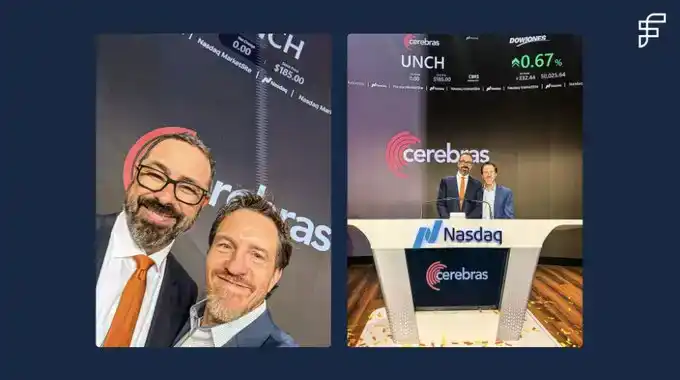
This morning, Andrew rang the opening bell at NASDAQ. I stood next to him. It's been ten years and 2600 miles since it all began in our 250 Middlefield office.

Today, there are still rare founders doing what Andrew did: sketching on whiteboards at 3 a.m., wrestling with technical problems not yet solved. They also harbor a strong unwillingness to lose and a rebellious heart. They are trying to find a partner who is truly willing to work side-by-side: willing to dive in and help solve the problem when the first prototype won't power on; and who will stay until it finally runs.

These are precisely the founders I want to back: those who choose problems worth solving, imagine a solution 1000x better than the status quo, and persistently hone and persevere through the inevitable challenges along the way.

For founders like Andrew, Gary, Sean, Michael, and JP, I'm willing to climb over a backyard fence on a Saturday afternoon to hand-deliver a term sheet.


İlgili Sorular

QWhat was the core technical challenge and architectural vision that Cerebras pursued, as opposed to the industry consensus?

ACerebras challenged the industry consensus that GPUs were the optimal architecture for AI training. While GPUs became the default due to their superior parallel processing compared to CPUs, the Cerebras team believed they were not designed for AI from first principles. Their core architectural vision was to design a computer specifically for AI workloads by fundamentally addressing the memory bandwidth bottleneck, not just raw compute power. This led them to invent the wafer-scale chip, a system 58 times larger than the largest previous chips, which required re-inventing nearly every aspect of modern computing—semiconductors, power delivery, cooling, and software—to enable efficient data flow across the entire compute structure.

QHow does the article characterize the relationship between the investor (Steve Vassallo) and the founder (Andrew Feldman), and why was it crucial for Cerebras's journey?

AThe article characterizes the relationship as a deep, long-term, non-transactional partnership built on trust over nearly two decades. This relationship was crucial because building Cerebras involved tackling a series of unprecedented engineering failures (like the first prototype catching fire) and systemic challenges over many years. The investor's patience, willingness to engage deeply with technical setbacks during bi-monthly board meetings, and commitment to providing resources and relationships allowed the founder and team to persist through iterative failures without pressure for short-term results. This trust-based support system was essential for navigating the 'inevitable' failures of frontier technology development.

QAccording to the article, what are the key personality traits and background influences that shaped Andrew Feldman as a founder?

AAndrew Feldman is described as having a strong不服输 (refusal to accept defeat) and a rebellious heart. He is driven by a desire for 1000x leaps rather than incremental improvements and is drawn to solving problems he believes are truly worth solving. Key traits include: a 'founder's disease' of being obsessed with a transformative idea; a competitive spirit, seeing himself as a 'professional David' against Goliaths; and a core belief that the most brilliant people are also kind, a value instilled by his mother. His background growing up surrounded by intellectual giants (including future Nobel laureates) who were patient and kind gave him a model of excellence coupled with decency, which influenced how he built and led his teams with loyalty and humanity.

QWhat does the Cerebras story suggest about the nature of innovation in AI hardware beyond simply using more GPUs?

AThe Cerebras story suggests that true innovation in AI hardware requires a fundamental re-imagination of computing architecture itself, not just scaling existing solutions like GPUs. It demonstrates that a compute revolution can come from addressing foundational bottlenecks like memory bandwidth and designing a system from the ground up for a specific workload (AI), rather than adapting a tool designed for another purpose (graphics). This path involves tackling a holistic set of interdependent engineering challenges—power, cooling, electrical continuity, software—that constitute 're-inventing the modern computing system.' It underscores that such innovation demands long-term capital patience, technical judgment, and a willingness to pursue a direction contrary to industry inertia.

QWhat symbolic and practical significance did the act of delivering the term sheet over a backyard fence hold, as described in the article?

AThe act of delivering the term sheet by climbing over Andrew Feldman's backyard fence on a Saturday held both symbolic and practical significance. Symbolically, it represented the investor's exceptional commitment, personal dedication, and willingness to go beyond standard venture capital protocols for a founder and a vision he deeply believed in. Practically, it underscored the urgency and importance of securing the deal—the investor did not want to miss the opportunity due to last-minute term sheet edits. This gesture foreshadowed the long-term, hands-on, and trust-based partnership that would be essential for navigating Cerebras's decade-long journey of overcoming seemingly impossible technical hurdles.

İlgili Okumalar

MY Group Completes Web4.0 First Stock Listing Layout, SEC Officially Discloses Form 8-K Announcement

MY Group has completed the listing layout for the "Web4.0 First Share," with the U.S. Securities and Exchange Commission (SEC) formally disclosing a Form 8-K report. According to the filing, the company's board has officially appointed Mr. Zhang Dingwen as Chief Executive Officer (CEO) and Executive Director, marking a significant upgrade in management and the entry into a new phase of its global capital market strategy. The disclosure of Form 8-K, used for reporting major corporate events, coincides with market information indicating the company is advancing several key capital market initiatives. These include a global brand system upgrade, corporate strategic restructuring, and a change of its stock ticker symbol. These moves are viewed by industry experts as signals of accelerated internationalization and enhanced global market presence. Concurrently, MY Group's proposed "Web4.0 Ecosystem" is garnering market attention. The company is integrating core capabilities across social traffic portals, global payment systems, public blockchain infrastructure, digital asset trading, and AI-powered financial systems. Analysts suggest that by closing this ecosystem loop, MY Group has the potential to become a next-generation platform merging Web2 user scale with Web3 asset frameworks and AI financial capabilities. With the management upgrade finalized, the global brand strategy launched, and the stock ticker change pending, MY Group is positioning itself as a focal point in the global technology capital market as a potential leading Web4.0 platform enterprise.

marsbit12 saat önce

MY Group Completes Web4.0 First Stock Listing Layout, SEC Officially Discloses Form 8-K Announcement

marsbit12 saat önce

İşlemler

Spot
Futures

Popüler Makaleler

$S$ Nedir

SPERO'yu Anlamak: Kapsamlı Bir Genel Bakış SPERO'ya Giriş İnovasyonun manzarası gelişmeye devam ederken, web3 teknolojilerinin ve kripto para projelerinin ortaya çıkışı dijital geleceği şekillendirmede önemli bir rol oynamaktadır. Bu dinamik alanda dikkat çeken projelerden biri SPERO, $$s$$ olarak adlandırılmaktadır. Bu makale, SPERO hakkında ayrıntılı bilgi toplamak ve sunmak amacıyla, meraklılar ve yatırımcıların web3 ve kripto alanlarındaki temellerini, hedeflerini ve yeniliklerini anlamalarına yardımcı olmayı amaçlamaktadır. SPERO,$$s$$ Nedir? SPERO,$$s$$, kripto alanında merkeziyetsizlik ve blok zinciri teknolojisi ilkelerini kullanarak etkileşimi, faydayı ve finansal kapsayıcılığı teşvik eden bir ekosistem yaratmayı amaçlayan benzersiz bir projedir. Proje, kullanıcıların yenilikçi finansal çözümler ve hizmetler sunarak eşler arası etkileşimleri yeni yollarla kolaylaştırmayı hedeflemektedir. SPERO,$$s$$'nin temel amacı, bireyleri güçlendirmek ve kripto para alanındaki kullanıcı deneyimini artıran araçlar ve platformlar sağlamaktır. Bu, daha esnek işlem yöntemlerini mümkün kılmayı, topluluk odaklı girişimleri teşvik etmeyi ve merkeziyetsiz uygulamalar (dApp'ler) aracılığıyla finansal fırsatlar yaratmayı içermektedir. SPERO,$$s$$'nin temel vizyonu kapsayıcılık etrafında dönmekte olup, geleneksel finansal sistemlerdeki boşlukları kapatmayı ve blok zinciri teknolojisinin faydalarından yararlanmayı hedeflemektedir. SPERO,$$s$$'nin Yaratıcısı Kimdir? SPERO,$$s$$'nin yaratıcısının kimliği bir miktar belirsizdir, çünkü kurucusu(ları) hakkında ayrıntılı arka plan bilgisi sağlayan sınırlı kamuya açık kaynaklar bulunmaktadır. Bu şeffaflık eksikliği, projenin merkeziyetsizlik taahhüdünden kaynaklanabilir—birçok web3 projesinin paylaştığı bir etik anlayışı, bireysel tanınmanın yerine kolektif katkıları önceliklendirmektedir. Topluluk ve onun kolektif hedefleri etrafında tartışmaları merkezileştirerek, SPERO,$$s$$, belirli bireyleri öne çıkarmadan güçlendirme özünü taşımaktadır. Bu nedenle, SPERO'nun etik anlayışını ve misyonunu anlamak, tek bir yaratıcının kimliğini belirlemekten daha önemlidir. SPERO,$$s$$'nin Yatırımcıları Kimlerdir? SPERO,$$s$$, kripto sektöründe yeniliği teşvik etmeye adanmış girişim sermayedarlarından melek yatırımcılara kadar çeşitli yatırımcılar tarafından desteklenmektedir. Bu yatırımcıların odak noktası genellikle SPERO'nun misyonuyla uyumlu olup, toplumsal teknolojik ilerlemeyi, finansal kapsayıcılığı ve merkeziyetsiz yönetimi vaat eden projeleri önceliklendirmektedir. Bu yatırımcı temelleri, yalnızca yenilikçi ürünler sunan projelere değil, aynı zamanda blok zinciri topluluğuna ve ekosistemlerine olumlu katkılarda bulunan projelere de ilgi duymaktadır. Bu yatırımcıların desteği, SPERO,$$s$$'yi hızla gelişen kripto projeleri alanında dikkate değer bir rakip haline getirmektedir. SPERO,$$s$$ Nasıl Çalışır? SPERO,$$s$$, onu geleneksel kripto para projelerinden ayıran çok yönlü bir çerçeve kullanmaktadır. İşte benzersizliğini ve yeniliğini vurgulayan bazı temel özellikler: Merkeziyetsiz Yönetim: SPERO,$$s$$, kullanıcıların projenin geleceğiyle ilgili karar alma süreçlerine aktif olarak katılmalarını sağlayan merkeziyetsiz yönetim modellerini entegre etmektedir. Bu yaklaşım, topluluk üyeleri arasında sahiplik ve hesap verebilirlik duygusunu teşvik etmektedir. Token Kullanımı: SPERO,$$s$$, ekosistem içinde çeşitli işlevler sunmak üzere tasarlanmış kendi kripto para token'ını kullanmaktadır. Bu token'lar, işlemleri, ödülleri ve platformda sunulan hizmetlerin kolaylaştırılmasını sağlayarak genel etkileşimi ve faydayı artırmaktadır. Katmanlı Mimari: SPERO,$$s$$'nin teknik mimarisi, modülerlik ve ölçeklenebilirliği destekleyerek projenin evrimi sırasında ek özelliklerin ve uygulamaların sorunsuz bir şekilde entegrasyonuna olanak tanımaktadır. Bu uyum sağlama yeteneği, sürekli değişen kripto manzarasında geçerliliği sürdürmek için hayati öneme sahiptir. Topluluk Katılımı: Proje, işbirliği ve geri bildirim teşvik eden mekanizmalar kullanarak topluluk odaklı girişimlere vurgu yapmaktadır. Güçlü bir topluluk oluşturarak, SPERO,$$s$$, kullanıcı ihtiyaçlarını daha iyi karşılayabilir ve piyasa trendlerine uyum sağlayabilir. Kapsayıcılığa Odaklanma: Düşük işlem ücretleri ve kullanıcı dostu arayüzler sunarak, SPERO,$$s$$, daha önce kripto alanında yer almamış bireyler de dahil olmak üzere çeşitli bir kullanıcı tabanını çekmeyi hedeflemektedir. Bu kapsayıcılık taahhüdü, erişilebilirlik yoluyla güçlendirme misyonuyla uyumludur. SPERO,$$s$$ Zaman Çizelgesi Bir projenin tarihini anlamak, gelişim yolculuğu ve kilometre taşları hakkında kritik bilgiler sağlar. Aşağıda, SPERO,$$s$$'nin evriminde önemli olayları haritalayan önerilen bir zaman çizelgesi bulunmaktadır: Kavram Geliştirme ve Fikir Aşaması: SPERO,$$s$$'nin temelini oluşturan ilk fikirler, blok zinciri endüstrisindeki merkeziyetsizlik ve topluluk odaklılık ilkeleriyle yakından uyumlu olarak geliştirildi. Proje Beyaz Kağıdının Yayınlanması: Kavramsal aşamayı takiben, SPERO,$$s$$'nin vizyonunu, hedeflerini ve teknolojik altyapısını ayrıntılı bir şekilde açıklayan kapsamlı bir beyaz kağıt yayımlandı ve topluluk ilgisini ve geri bildirimini toplamak amacıyla sunuldu. Topluluk Oluşturma ve Erken Katılımlar: Projenin hedefleri etrafında tartışmalar yürüterek destek toplamak ve erken benimseyenler ile potansiyel yatırımcılar için bir topluluk oluşturmak amacıyla aktif iletişim çabaları gerçekleştirildi. Token Üretim Etkinliği: SPERO,$$s$$, yerel token'larını erken destekçilere dağıtmak ve ekosistem içinde başlangıç likiditesini sağlamak amacıyla bir token üretim etkinliği (TGE) gerçekleştirdi. İlk dApp'in Yayınlanması: SPERO,$$s$$ ile ilişkili ilk merkeziyetsiz uygulama (dApp) faaliyete geçti ve kullanıcıların platformun temel işlevleriyle etkileşimde bulunmalarını sağladı. Sürekli Gelişim ve Ortaklıklar: Projenin tekliflerine sürekli güncellemeler ve iyileştirmeler yapılmakta olup, blok zinciri alanındaki diğer oyuncularla stratejik ortaklıklar, SPERO,$$s$$'yi rekabetçi ve gelişen bir oyuncu haline getirmiştir. Sonuç SPERO,$$s$$, web3 ve kripto paranın finansal sistemleri devrim niteliğinde dönüştürme ve bireyleri güçlendirme potansiyelinin bir kanıtıdır. Merkeziyetsiz yönetime, topluluk katılımına ve yenilikçi tasarlanmış işlevselliğe olan bağlılığıyla, daha kapsayıcı bir finansal manzaraya doğru bir yol açmaktadır. Hızla gelişen kripto alanındaki herhangi bir yatırımda olduğu gibi, potansiyel yatırımcılar ve kullanıcılar, SPERO,$$s$$ içindeki devam eden gelişmelerle ilgili olarak kapsamlı bir araştırma yapmaları ve düşünceli bir şekilde katılmaları teşvik edilmektedir. Proje, kripto endüstrisinin yenilikçi ruhunu sergileyerek, sayısız olasılığını keşfetmeye davet etmektedir. SPERO,$$s$$'nin yolculuğu hala devam ederken, temel ilkeleri, teknoloji, finans ve birbirimizle etkileşim biçimimizi etkileyebilir.

89 Toplam GörüntülenmeYayınlanma 2024.12.17Güncellenme 2024.12.17

$S$ Nedir

AGENT S Nedir

Agent S: Web3'te Otonom Etkileşimin Geleceği Giriş Web3 ve kripto para dünyasında sürekli gelişen manzarada, yenilikler bireylerin dijital platformlarla etkileşim biçimlerini sürekli olarak yeniden tanımlıyor. Bu tür öncü projelerden biri olan Agent S, açık ajans çerçevesi aracılığıyla insan-bilgisayar etkileşimini devrim niteliğinde değiştirmeyi vaat ediyor. Otonom etkileşimlerin yolunu açarak, Agent S karmaşık görevleri basitleştirmeyi ve yapay zeka (AI) alanında dönüştürücü uygulamalar sunmayı hedefliyor. Bu detaylı inceleme, projenin karmaşıklıklarına, benzersiz özelliklerine ve kripto para alanındaki etkilerine dalacaktır. Agent S Nedir? Agent S, bilgisayar görevlerinin otomasyonunda üç temel zorluğu ele almak üzere özel olarak tasarlanmış çığır açıcı bir açık ajans çerçevesidir: Alan Spesifik Bilgi Edinimi: Çerçeve, çeşitli dış bilgi kaynaklarından ve iç deneyimlerden akıllıca öğrenir. Bu çift yönlü yaklaşım, alan spesifik bilgi açısından zengin bir veri havuzu oluşturmasını sağlar ve görev yürütmedeki performansını artırır. Uzun Görev Ufukları Üzerinde Planlama: Agent S, karmaşık görevlerin verimli bir şekilde parçalanmasını ve yürütülmesini kolaylaştıran deneyim artırımlı hiyerarşik planlama kullanır. Bu özellik, çoklu alt görevleri etkili ve verimli bir şekilde yönetme yeteneğini önemli ölçüde artırır. Dinamik, Homojen Olmayan Arayüzlerle Başlama: Proje, ajanlar ve kullanıcılar arasındaki etkileşimi geliştiren yenilikçi bir çözüm olan Ajan-Bilgisayar Arayüzü'ni (ACI) tanıtmaktadır. Çok Modlu Büyük Dil Modellerini (MLLM'ler) kullanarak, Agent S çeşitli grafik kullanıcı arayüzlerini sorunsuz bir şekilde gezinebilir ve manipüle edebilir. Bu öncü özellikler aracılığıyla, Agent S, makinelerle insan etkileşimini otomatikleştirmede karşılaşılan karmaşıklıkları ele alan sağlam bir çerçeve sunarak, AI ve ötesinde birçok uygulama için zemin hazırlıyor. Agent S'nin Yaratıcısı Kimdir? Agent S'nin kavramı temelde yenilikçi olsa da, yaratıcısı hakkında spesifik bilgiler belirsizliğini koruyor. Yaratıcı şu anda bilinmiyor, bu da projenin yeni aşamasını veya kurucu üyeleri gizli tutma stratejik tercihini vurguluyor. Anonimlikten bağımsız olarak, odak çerçevenin yetenekleri ve potansiyeli üzerinde kalıyor. Agent S'nin Yatırımcıları Kimlerdir? Agent S, kriptografik ekosistemde oldukça yeni olduğundan, yatırımcıları ve finansal destekçileri hakkında ayrıntılı bilgiler açıkça belgelenmemiştir. Projeyi destekleyen yatırım temelleri veya organizasyonları hakkında kamuya açık bilgilerdeki eksiklik, finansman yapısı ve gelişim yol haritası hakkında sorular doğuruyor. Destekleyicilerin anlaşılması, projenin sürdürülebilirliğini ve potansiyel pazar etkisini değerlendirmek için kritik öneme sahiptir. Agent S Nasıl Çalışır? Agent S'nin temelinde, çeşitli ortamlarda etkili bir şekilde çalışmasını sağlayan son teknoloji bir sistem yatmaktadır. İşleyiş modeli birkaç ana özellik etrafında inşa edilmiştir: İnsan Benzeri Bilgisayar Etkileşimi: Çerçeve, bilgisayarlarla etkileşimleri daha sezgisel hale getirmeyi amaçlayan gelişmiş AI planlaması sunar. Görev yürütmedeki insan davranışını taklit ederek, kullanıcı deneyimlerini yükseltmeyi vaat eder. Anlatı Belleği: Yüksek düzeyde deneyimlerden yararlanmak için kullanılan Agent S, görev geçmişlerini takip etmek amacıyla anlatı belleğini kullanarak karar verme süreçlerini geliştirir. Episodik Bellek: Bu özellik, kullanıcılara adım adım rehberlik sağlayarak, çerçevenin görevler gelişirken bağlamsal destek sunmasına olanak tanır. OpenACI Desteği: Yerel olarak çalışabilme yeteneği ile Agent S, kullanıcıların etkileşimleri ve iş akışları üzerinde kontrol sağlamasına olanak tanır ve Web3'ün merkeziyetsiz felsefesiyle uyumlu hale gelir. Dış API'lerle Kolay Entegrasyon: Çeşitli AI platformlarıyla uyumluluğu ve çok yönlülüğü, Agent S'nin mevcut teknolojik ekosistemlere sorunsuz bir şekilde entegre olmasını sağlar ve geliştiriciler ile organizasyonlar için cazip bir seçenek haline getirir. Bu işlevsellikler, Agent S'nin kripto alanındaki benzersiz konumuna katkıda bulunarak, karmaşık, çok aşamalı görevleri minimum insan müdahalesi ile otomatikleştirir. Proje geliştikçe, Web3'teki potansiyel uygulamaları dijital etkileşimlerin nasıl gelişeceğini yeniden tanımlayabilir. Agent S'nin Zaman Çizelgesi Agent S'nin gelişimi ve kilometre taşları, önemli olaylarını vurgulayan bir zaman çizelgesinde özetlenebilir: 27 Eylül 2024: Agent S'nin kavramı, “Bilgisayarları İnsan Gibi Kullanan Açık Bir Ajans Çerçevesi” başlıklı kapsamlı bir araştırma makalesi ile tanıtıldı ve projenin temelini sergiledi. 10 Ekim 2024: Araştırma makalesi arXiv'de kamuya açık olarak yayınlandı ve çerçevenin derinlemesine bir incelemesini ve OSWorld benchmark'ına dayalı performans değerlendirmesini sundu. 12 Ekim 2024: Agent S'nin yetenekleri ve özellikleri hakkında görsel bir içgörü sağlayan bir video sunumu yayımlandı ve potansiyel kullanıcılar ve yatırımcılarla daha fazla etkileşim sağlandı. Bu zaman çizelgesindeki işaretler, sadece Agent S'nin ilerlemesini değil, aynı zamanda şeffaflık ve topluluk katılımına olan bağlılığını da göstermektedir. Agent S Hakkında Ana Noktalar Agent S çerçevesi gelişmeye devam ederken, birkaç ana özellik öne çıkmakta ve yenilikçi doğasını ve potansiyelini vurgulamaktadır: Yenilikçi Çerçeve: İnsan etkileşimine benzer bir bilgisayar kullanımı sağlamak üzere tasarlanan Agent S, görev otomasyonuna yeni bir yaklaşım getiriyor. Otonom Etkileşim: GUI aracılığıyla bilgisayarlarla otonom olarak etkileşim kurabilme yeteneği, daha akıllı ve verimli hesaplama çözümlerine doğru bir sıçrama anlamına geliyor. Karmaşık Görev Otomasyonu: Sağlam metodolojisi ile karmaşık, çok aşamalı görevleri otomatikleştirerek süreçleri daha hızlı ve daha az hata payı ile gerçekleştirebilir. Sürekli İyileştirme: Öğrenme mekanizmaları, Agent S'nin geçmiş deneyimlerden öğrenmesini sağlar ve sürekli olarak performansını ve etkinliğini artırır. Çok Yönlülük: OSWorld ve WindowsAgentArena gibi farklı işletim ortamlarında uyumlu olması, geniş bir uygulama yelpazesine hizmet edebilmesini sağlar. Agent S, Web3 ve kripto alanında kendini konumlandırırken, etkileşim yeteneklerini artırma ve süreçleri otomatikleştirme potansiyeli, AI teknolojilerinde önemli bir ilerlemeyi temsil etmektedir. Yenilikçi çerçevesi aracılığıyla, Agent S dijital etkileşimlerin geleceğini örneklemekte ve çeşitli sektörlerde kullanıcılar için daha sorunsuz ve verimli bir deneyim vaat etmektedir. Sonuç Agent S, AI ve Web3'ün birleşiminde cesur bir sıçramayı temsil ediyor ve teknoloji ile etkileşim biçimimizi yeniden tanımlama kapasitesine sahip. Henüz erken aşamalarında olmasına rağmen, uygulama olanakları geniş ve çekici. Kritik zorlukları ele alan kapsamlı çerçevesi ile Agent S, otonom etkileşimleri dijital deneyimin ön plana çıkmasına taşımayı hedefliyor. Kripto para ve merkeziyetsizlik alanlarına daha derinlemesine girdikçe, Agent S gibi projelerin teknoloji ve insan-bilgisayar işbirliğinin geleceğini şekillendirmede önemli bir rol oynayacağı kesin.

488 Toplam GörüntülenmeYayınlanma 2025.01.14Güncellenme 2025.01.14

AGENT S Nedir

S Nasıl Satın Alınır

HTX.com’a hoş geldiniz! Sonic (S) satın alma işlemlerini basit ve kullanışlı bir hâle getirdik. Adım adım açıkladığımız rehberimizi takip ederek kripto yolculuğunuza başlayın. 1. Adım: HTX Hesabınızı OluşturunHTX'te ücretsiz bir hesap açmak için e-posta adresinizi veya telefon numaranızı kullanın. Sorunsuzca kaydolun ve tüm özelliklerin kilidini açın. Hesabımı Aç2. Adım: Kripto Satın Al Bölümüne Gidin ve Ödeme Yönteminizi SeçinKredi/Banka Kartı: Visa veya Mastercard'ınızı kullanarak anında Sonic (S) satın alın.Bakiye: Sorunsuz bir şekilde işlem yapmak için HTX hesap bakiyenizdeki fonları kullanın.Üçüncü Taraflar: Kullanımı kolaylaştırmak için Google Pay ve Apple Pay gibi popüler ödeme yöntemlerini ekledik.P2P: HTX'teki diğer kullanıcılarla doğrudan işlem yapın.Borsa Dışı (OTC): Yatırımcılar için kişiye özel hizmetler ve rekabetçi döviz kurları sunuyoruz.3. Adım: Sonic (S) Varlıklarınızı SaklayınSonic (S) satın aldıktan sonra HTX hesabınızda saklayın. Alternatif olarak, blok zinciri transferi yoluyla başka bir yere gönderebilir veya diğer kripto para birimlerini takas etmek için kullanabilirsiniz.4. Adım: Sonic (S) Varlıklarınızla İşlem YapınHTX'in spot piyasasında Sonic (S) ile kolayca işlemler yapın.Hesabınıza erişin, işlem çiftinizi seçin, işlemlerinizi gerçekleştirin ve gerçek zamanlı olarak izleyin. Hem yeni başlayanlar hem de deneyimli yatırımcılar için kullanıcı dostu bir deneyim sunuyoruz.

1.4k Toplam GörüntülenmeYayınlanma 2025.01.15Güncellenme 2025.03.21

S Nasıl Satın Alınır

Tartışmalar

HTX Topluluğuna hoş geldiniz. Burada, en son platform gelişmeleri hakkında bilgi sahibi olabilir ve profesyonel piyasa görüşlerine erişebilirsiniz. Kullanıcıların S (S) fiyatı hakkındaki görüşleri aşağıda sunulmaktadır.

活动图片