Indepth Research

Provide in-depth research reports and independent analysis, leveraging data, technology, and economic insights to deliver a comprehensive examination of the blockchain ecosystem, project potential, and market trends.

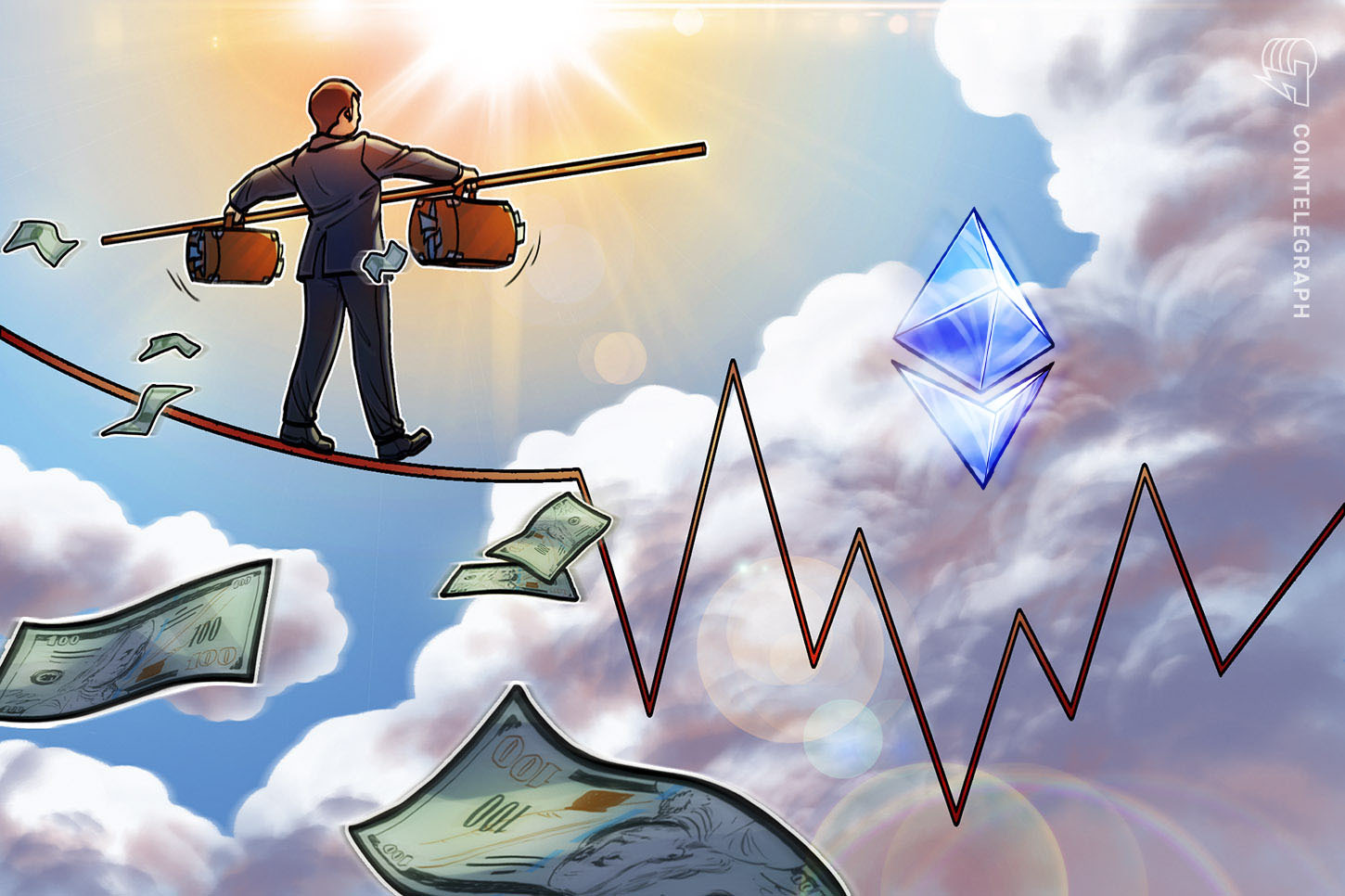
Retail Investors Are Leaving, What Will Drive the Next Bull Market?

A significant market correction has seen Bitcoin drop 28.57% from $126,000 to $90,000, causing panic, liquidity drying up, and widespread deleveraging. However, structural positives are emerging: the U.S. SEC plans an "Innovation Exemption" in January 2026 to ease compliance, and the Federal Reserve is expected to end quantitative tightening and begin rate cuts, potentially boosting risk assets. The previous retail and leverage-driven bull cycle is unlikely to repeat. While over 200 companies hold $115 billion in crypto via Digital Asset Treasury (DAT) strategies, this represents less than 5% of the crypto market and is insufficient to fuel the next bull run. Instead, three key institutional pipelines are being established: 1. **Institutional Entry via ETFs and Infrastructure**: Global Bitcoin and Ethereum ETFs provide a standardized investment channel. Improved custody and settlement solutions (e.g., from BNY Mellon, Anchorage Digital) enable efficient capital deployment. Pension funds and sovereign wealth funds may soon allocate 1-3% to crypto, potentially moving trillions of dollars. 2. **Real World Assets (RWA) Tokenization**: Tokenizing traditional assets (bonds, real estate) onto blockchains could grow the RWA market from $309 billion today to $4-30 trillion by 2030. Protocols like MakerDAO using U.S. Treasuries as collateral bridge DeFi with traditional finance, offering stable yields and reducing volatility. 3. **Infrastructure Upgrades**: Layer 2 solutions reduce transaction costs and times, crucial for institutional scale. Stablecoins, with a $1.66 trillion market cap and $4 trillion in on-chain volume, have become pillars for cross-border payments and liquidity, especially as regulators mandate full reserve backing. Short-term, Fed policy and SEC rules may drive a speculative rebound in early 2026. Medium-term, gradual institutional capital will provide stability. Long-term, RWA integration could structurally anchor crypto to global finance, enabling sustainable, trillion-dollar growth. The market's evolution from speculation to infrastructure marks its path to maturity.

marsbit12/09 19:39

Retail Investors Are Leaving, What Will Drive the Next Bull Market?

marsbit12/09 19:39

Bull vs. Bear Debate: Is Stablecoin Leader CRCL Worth Buying? Why Can't High-Growth Earnings Drive the Stock Price?

"Circle (NYSE: CRCL), the issuer of USDC, has sparked intense debate in the crypto community following its Q3 2025 earnings report. Despite reporting strong growth—revenue up 66% YoY to $740 million and net income of $214 million, driven by a 108% increase in USDC circulation—its stock price fell significantly post-earnings and remains near its IPO price of $64. The core disagreement revolves around Circle’s business model and sustainability. Critics, including Jiang Zhuorer, argue that Circle operates like a bank, earning primarily through interest on reserve assets (mainly U.S. Treasuries), but is highly vulnerable to interest rate cuts. They highlight that ~60% of revenue is paid to distributors like Coinbase, leaving thin margins that could turn negative in a low-rate environment. They also warn of competition from traditional financial giants like JPMorgan and potential policy changes. Proponents, such as BTCdayu and qinbafrank, counter that Circle is building a long-term, network-driven infrastructure play. They compare it to Amazon or JD.com, arguing that current profit-sharing is a strategic cost to achieve scale, compliance advantage, and eventual market dominance in a winner-take-all industry. They believe USDC’s合规 (compliance) edge and institutional trust will drive adoption to multi-trillion dollars, outweighing interest rate risks. Short-term concerns include significant post-IPO lockup expirations adding selling pressure, and structural barriers like U.S. tax treatment of USDC as a property (not cash), hindering retail payment adoption. The debate encapsulates a clash between cyclical concerns (rates, costs, competition) and structural optimism (scale, compliance, network effects)."

Odaily星球日报12/09 13:20

Bull vs. Bear Debate: Is Stablecoin Leader CRCL Worth Buying? Why Can't High-Growth Earnings Drive the Stock Price?

Odaily星球日报12/09 13:20

活动图片