Indepth Research

Provide in-depth research reports and independent analysis, leveraging data, technology, and economic insights to deliver a comprehensive examination of the blockchain ecosystem, project potential, and market trends.

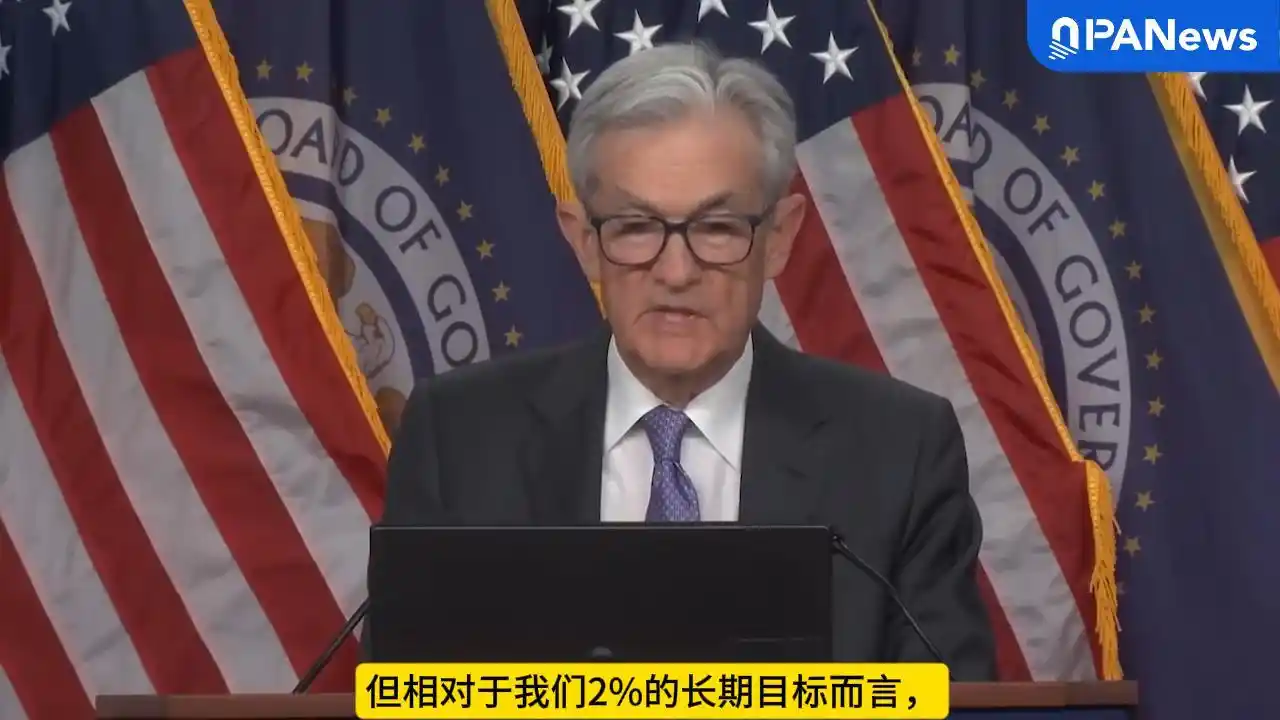
Powell: Weakening Employment, Inflation Still High, No One Talks About Rate Hikes Now

In his latest address, Federal Reserve Chair Powell highlighted a noticeable cooling in the U.S. labor market, marked by slower hiring and reduced layoffs, declining challenges in recruitment, and diminished household expectations for job opportunities. The unemployment rate has risen to approximately 4.4%, with employment gains significantly weaker than at the start of the year. This slowdown stems partly from reduced labor supply—due to decreased immigration and lower participation rates—but also reflects weakening labor demand itself. On inflation, core PCE remains at 2.8% year-on-year, above the long-term 2% target. While goods inflation has edged up due to tariffs, service inflation continues to moderate. Although overall inflation has declined substantially from its 2022 peak, it has not yet reached a level that fully assures the Fed. The FOMC responded by cutting rates by 25 basis points and initiating short-term Treasury purchases to maintain ample reserves and ensure effective policy transmission. Powell emphasized that, with rising employment risks and persistently elevated inflation, there is no "risk-free" policy path. The Fed must carefully balance its dual mandate constraints. He noted that interest rates are nearing a neutral range, and future policy decisions will be data-dependent, avoiding preset directions and instead being assessed meeting by meeting based on economic conditions and risks.

marsbit12/11 04:02

Powell: Weakening Employment, Inflation Still High, No One Talks About Rate Hikes Now

marsbit12/11 04:02

Didi in Latin America: Already a Digital Banking Giant

Didi, known in China primarily as a ride-hailing giant, has transformed into a digital banking powerhouse in Latin America, serving over 25 million users. While its financial ambitions were stifled in China by the dominance of Alipay and WeChat Pay—which left little room for competitors—Didi found fertile ground in Latin America’s underbanked markets. Facing a cash-dominated economy and low banking penetration, Didi built its own financial infrastructure from scratch. It partnered with OXXO, a ubiquitous convenience store chain in Mexico, to allow cash top-ups via its DiDi Pay system—effectively creating an alternative banking network. This move not only improved transaction efficiency but also addressed critical safety issues, as drivers carrying cash were often targets of robbery. Leveraging its vast data on driver and passenger behavior, Didi developed a unique "behavioral credit" system, enabling it to offer loans to individuals with no formal banking history. Products like DiDi Préstamos and high-yield savings accounts (DiDi Cuenta) helped capture and retain user funds, turning Didi into a central financial hub. Beyond finance, Didi now facilitates broader economic activities: it supports e-commerce partnerships (like AliExpress’ "buy now, pay later" service) and accelerates the adoption of Chinese electric vehicles by providing auto loans to drivers. This evolution from ride-hailing to integrated fintech and industrial enabler highlights Didi’s adaptability and the success of its "infrastructure-first" strategy in emerging markets. The company’s journey in Latin America underscores a broader lesson for Chinese tech firms expanding abroad: success requires not just exporting technology, but rebuilding the foundational systems that make it relevant—especially in regions where basic services are lacking. Didi’s growth in the region reflects a return to the gritty, ground-up innovation that once defined China’s internet boom.

marsbit12/10 12:08

Didi in Latin America: Already a Digital Banking Giant

marsbit12/10 12:08

活动图片