Indepth Research

Provide in-depth research reports and independent analysis, leveraging data, technology, and economic insights to deliver a comprehensive examination of the blockchain ecosystem, project potential, and market trends.

From Gatekeeper to Gravedigger: JPMorgan Bets on Physical Precious Metals, Shorts Dollar Credit

JPMorgan Chase, a long-standing guardian of the U.S. dollar-centric financial system, is reportedly shifting its core precious metals trading team to Singapore—a move interpreted as a strategic pivot away from Western dollar hegemony. The bank has reclassified approximately 169 million ounces of silver in COMEX vaults from “deliverable” to “non-deliverable,” effectively locking down nearly 10% of global annual supply. This signals a broader bet on physical metal accumulation and a loss of confidence in paper-based derivatives. The London and New York systems, built on leveraged paper contracts (with claims far exceeding physical metal), are showing strain. Central banks are accelerating gold repatriation, while industrial demand—especially for silver in green technology—is draining physical inventories. Extreme backwardation in silver and extended delivery wait times at the Bank of England suggest a structural rupture between paper markets and physical reality. Meanwhile, Shanghai has emerged as the world’s largest physical gold exchange, emphasizing full physical settlement and rejecting the Western paper-gold model. China’s industrial demand and central bank purchasing are pulling vast metal volumes eastward, reshaping global liquidity and pricing power. Singapore is positioning itself as a neutral hub with tax-free private vaults, attracting Western institutions like JPMorgan seeking a safe, politically acceptable base near Asian demand centers. Yet it remains caught between dollar liquidity and yuan-driven physical trade anchored in Shanghai. JPMorgan’s maneuver reflects a deeper shift: the end of financial alchemy based on unlimited paper leverage and the return to a tangible asset system where physical metal defines value and trust.

比推12/12 15:31

From Gatekeeper to Gravedigger: JPMorgan Bets on Physical Precious Metals, Shorts Dollar Credit

比推12/12 15:31

When Crypto Faith Becomes the 'Plato's Cave' in Modern Investing

In "When Crypto Belief Becomes a Modern 'Plato's Cave'," the author reflects on how initial optimism in cryptocurrency has evolved into a "sunk cost trap," where past investments—whether financial, temporal, or emotional—keep individuals tethered to an ecosystem that may no longer serve their best interests. Drawing parallels to Plato’s allegory of the cave, the piece argues that many in crypto remain chained not by ignorance but by their accumulated stakes, mistaking shadows (past efforts) for reality. The author shares a personal journey from professional poker to crypto, illustrating how sunk costs—like a decade in poker—can create a "luxurious trap" that’s hard to escape. Despite crypto’s maturation (e.g., Bitcoin and Ethereum ETFs, Robinhood adopting blockchain tech), the landscape has shifted: traditional finance co-opts crypto innovations, and gains increasingly flow to insiders or equities rather than retail token holders. The article categorizes crypto adherents into four camps (pro-Bitcoin, pro-crypto, both, or neither) and further divides them based on belief in future upside. It suggests that only those fully convinced of crypto’s potential should devote all their time to it; others should diversify skills and consider exit strategies. The core message: don’t let sunk costs imprison you in a fading dream. Freedom lies in acknowledging when to step away and explore broader opportunities beyond the crypto.

比推12/12 14:10

When Crypto Faith Becomes the 'Plato's Cave' in Modern Investing

比推12/12 14:10

They Knew the TGA Game of the Year Winner in Advance and Made Tens of Thousands of Dollars

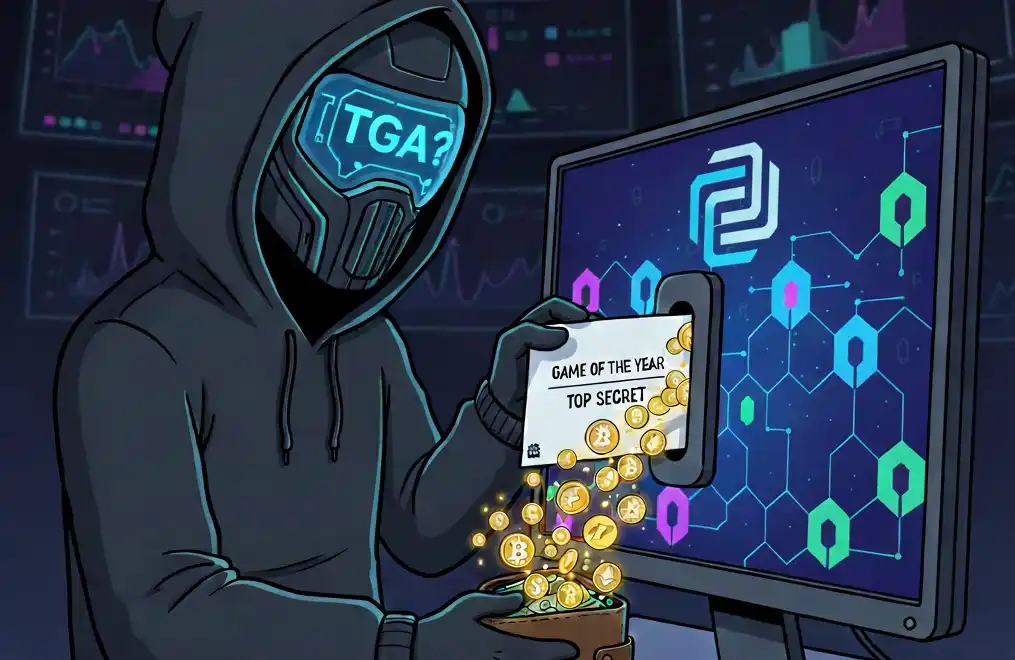
Summary: The 2025 TGA (The Game Awards) ceremony concluded with the indie game "Light & Shadow: Expedition 33" making history by winning both "Best Independent Game" and the coveted "Game of the Year (GOTY)" award, breaking a long-standing TGA curse. Prior to the event, the prediction market platform Polymarket had already listed the topic, with "Light & Shadow's" probability of winning GOTY consistently above 80% for over a month. Several traders, including users DieselDiesel, trumpnogo, and kasae, placed unusually large, concentrated bets on this outcome weeks in advance, a move that would have resulted in massive losses if wrong. Their bets appeared to be "all-in" convictions rather than calculated risks. Just three hours before the GOTY announcement, after the "Best Indie" award was given to the same game, a mysterious user (bobo9997) deposited $10,000 and bet it all on "Yes" for "Light & Shadow" winning GOTY at a price of $0.98 per share—a bet that would yield less than $200 in profit if correct. The final award confirmed the predictions. The early traders realized significant profits, with their winnings from this single event representing a large percentage of their total historical earnings on the platform (e.g., 176% for DieselDiesel). The article suggests these traders likely had insider knowledge of the results, using the prediction market as a anonymous, low-risk method to monetize their confidential information, turning a guaranteed outcome into thousands of dollars with virtually no risk.

marsbit12/12 07:40

They Knew the TGA Game of the Year Winner in Advance and Made Tens of Thousands of Dollars

marsbit12/12 07:40

活动图片