AI Relay Stations: The Hidden Pitfalls Behind Low Costs, How to Screen and Avoid Them?

marsbitОпубликовано 2026-05-09Обновлено 2026-05-09

Введение

AI Relay Stations: The Hidden Risks Behind Low Costs and How to Avoid Pitfalls AI relay stations are becoming a popular gateway to various models, offering lower prices, a wider selection, and a unified interface for tools like Claude Code and Cursor. However, their appeal masks significant risks. Users may unknowingly surrender prompts, code, business documents, customer data, and even full project contexts. The demand is driven by genuine needs: cost savings compared to expensive official APIs (e.g., GPT, Claude), easier access amid regional restrictions, and the push from AI-powered development tools. But not everyone needs a relay station. Light users should exhaust free official quotas first. Heavy users, like developers, can adopt a layered approach, using top models for critical tasks and cheaper local models for routine work. If a relay station is necessary, follow a careful selection and usage protocol: 1. **Verify First:** Test model authenticity, latency, and stability before purchasing credits. Check the quality of provided documentation. 2. **Isolate Configuration:** Use unique API keys for each service, manage them via environment variables, and set usage limits to control costs and potential damage from leaks. 3. **Classify Your Data:** Develop a habit of data grading before sending requests. Only send non-sensitive, public information directly. Desensitize semi-sensitive data (e.g., internal documents) by removing names and specifics. Never send highly s...

Author: Omnitools

AI relay stations are evolving from niche tools into broader gateways to models. For many users, their appeal is straightforward: lower prices, more models, a unified interface, and the ability to connect to development tools like Claude Code, Codex, and Cursor.

But the problem with relay stations lies precisely here. Users think they're just switching to a cheaper API endpoint; in reality, they might be handing over their prompts, code, business documents, client information, call logs, or even the entire development context of a project.

Omnitools believes the discussion about AI relay stations shouldn't stop at "can it be used?" or "which one is cheapest?". More important questions are: Where does the demand behind relay stations come from? Do users truly need them? And if they must be used, how can risks be controlled?

1. The Market Demand Behind Relay Stations

One obvious conclusion is that relay stations are popular because the demand is real.

First, there's the price advantage. Official APIs from leading overseas large language models are not cheap. The OpenAI pricing page shows GPT-5.5 input at $5 per million tokens, output at $30 per million tokens; the Anthropic pricing page shows Claude Sonnet 4.7 input at $5 per million tokens, output at $25 per million tokens. For casual chat, these costs aren't obvious, but for long-text processing, code generation, multi-turn agent tasks, and automated workflows, the cost of calls can quickly become noticeable.

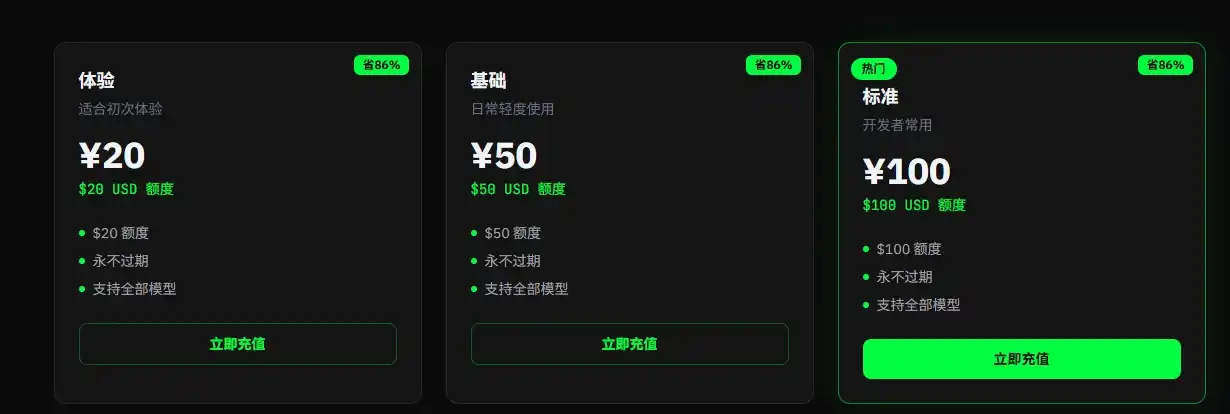
The main selling point of relay stations is offering access to APIs at prices far below official rates, for example, purchasing $1 worth of tokens for 1 RMB, with discounted prices being only about 15% of the official rate. For users with substantial demand, this is tangible cost savings.
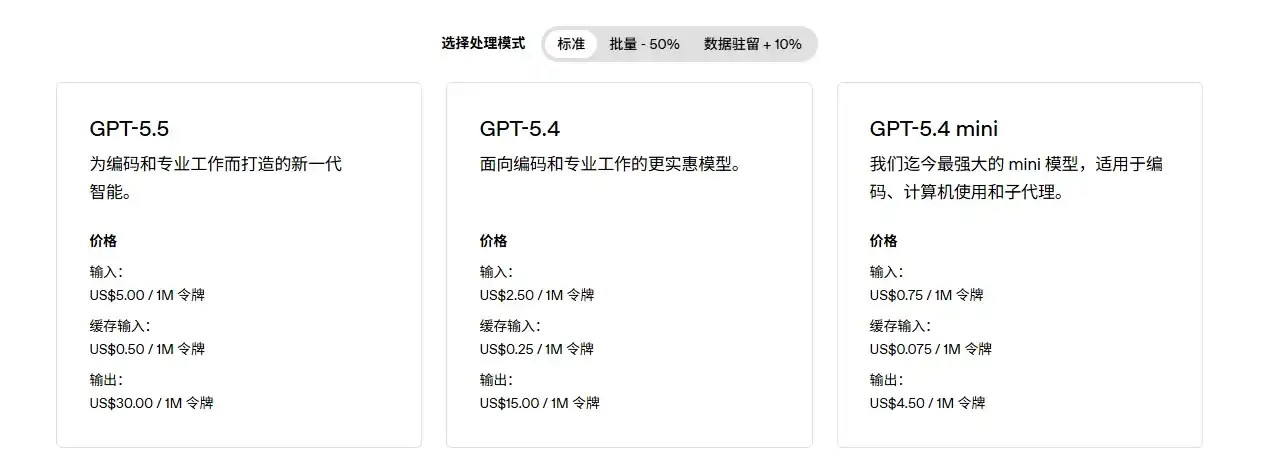
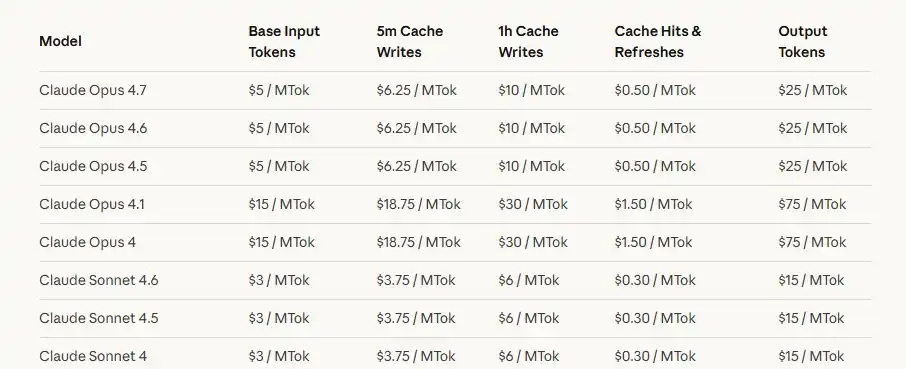
Second is access barriers. As access restrictions from US models on users in mainland China become increasingly strict, even ignoring price advantages, using official APIs or plans at full price poses a high verification barrier for many users. Additionally, in usage scenarios, if users want to use Claude, GPT, Gemini, and domestic models simultaneously, they must switch between multiple platforms. Relay stations compress this complexity into a single entry point, acting like an "aggregated socket" in the AI model world—users no longer care which line is behind it, only if it delivers stable power.

Third is the push from development tools. In the past, models were mainly used for Q&A and writing; now, tools like Claude Code, Codex, and Cursor are integrating models into local development workflows. Model calls are no longer just a single chat but could be a code review, a project refactor, or an automatic fix. Furthermore, with the emergence of the "crawfish farming" trend, the demand for tokens has also grown. The heavier the demand, the more likely users are to seek cheaper, higher-capacity, more unified access methods.

Therefore, the booming business of relay stations is driven by real demand, not just another hype cycle.

2. Do You Really Need a Relay Station?

However, not everyone needs to use a relay station.

If you only occasionally ask questions, translate text, summarize public information, or write general copy, you often don't need a relay station. Models and tools like ChatGPT, Gemini, Antigravity, etc., have free tiers. If dealing with verification and accounts is an issue, many large model aggregators are available, some also offering free tiers sufficient for daily use.

For light users, rather than handing data over to an unknown relay station for "cheapness," it's better to first exhaust the free tiers of official and legitimate tools. Free tiers may change, and specific limits should be checked on each platform's official page, but the principle remains: low-frequency demand doesn't require rushing to use a relay.

For heavy programming users, it's also not always necessary to delegate all tasks to expensive models or relay stations. A safer approach is to use models in layers: use stronger large models for requirement breakdown, technical direction, architecture design, and code review; then use cheaper domestic models for more concrete function development, daily operations, etc. Moreover, with domestic models continuously catching up, many are already comparable in capability to top US models for daily development tasks, often at prices cheaper than many relay stations. Take Kimi K2.6 as an example, its output price per million tokens is $4, only 13% of ChatGPT 5.5, a price lower than many relay stations.
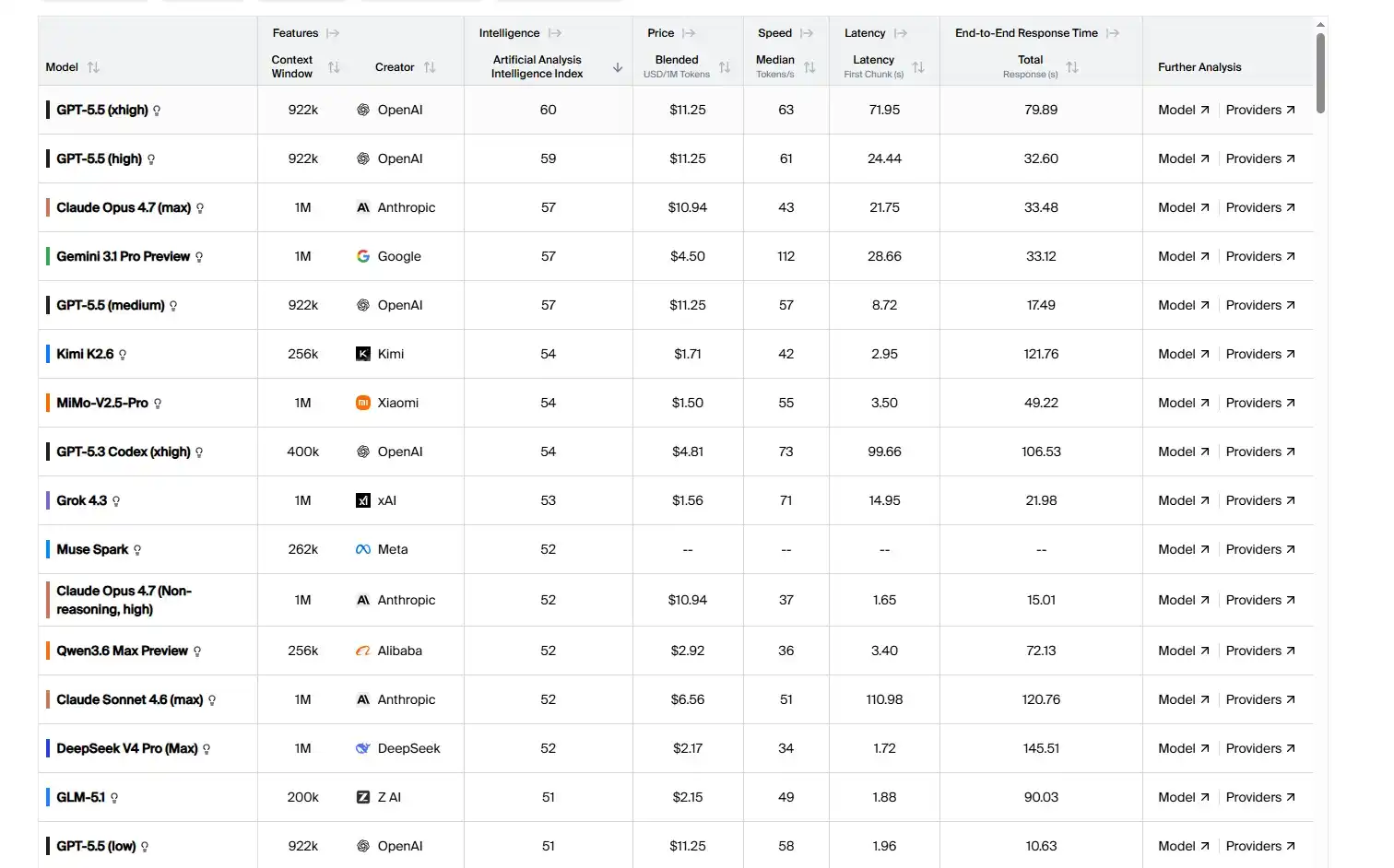
Of course, this method isn't perfect, but it better matches cost structures. Complex tasks most need directional judgment and framework ability; concrete implementation can be broken down into multiple low-risk, low-cost subtasks. For individual developers and small teams, breaking tasks down first, then deciding which stages require high-end models, is usually more rational than directly purchasing large relay station quotas.

Only when users already have continuous, high-frequency, multi-model calling needs—such as long-term use of AI programming tools, processing large volumes of public information, conducting model comparisons, building internal automation workflows—and official quotas are clearly insufficient, do relay stations become a potential option. Even then, they should be a "tool after screening," not the default entry point.

3. How to Choose and Use Relay Stations?

If evaluation confirms the need for a relay station, the next question is no longer "to use or not," but "how to use it without incident." The following is a complete operational process from evaluation to daily use.

Step 1: Verify First, Then Top Up

After getting a relay station address, don't rush to top up. First, do three things:

Verify model authenticity. Call the relay station and the official API with the same prompt, compare output quality, response format, and token usage. Some relay stations might impersonate higher-version models with lower ones, or inject extra system prompts in outputs. A simple test is to ask the model to report its version info, then cross-check with official behavior. While not foolproof, this can filter out obviously problematic platforms.

Test latency and stability. Make 20-50 consecutive calls, observe for frequent timeouts, random errors, or fluctuations in response quality. The relay station path has an extra layer compared to direct connection; if basic stability isn't up to par, issues will only multiply later.

Check documentation quality. A seriously operated relay station usually provides complete API documentation, OpenAI-compatible access instructions, clear model lists, and pricing tables. If a platform's documentation is patchy, or its model list vague, be more cautious.

Step 2: Isolate Configuration, Don't Mix

After confirming basic platform usability, next comes technical isolation. Many users skip this step, but it determines the scope of loss if problems arise.

Use independent API Keys. Don't directly enter the Key you applied for on the official platform into the relay station, nor share the same Key across multiple relay stations. Generate a separate Key for each relay station. If one platform has issues, you can immediately invalidate it without affecting other services.

Manage keys via environment variables. In local development environments, store API Keys in .env files or system environment variables; don't hardcode them into the code. For example, in Cursor, when filling in the API Base URL and Key in settings, ensure these configurations won't be committed to the Git repository. If using command-line tools like Claude Code or Codex, check your shell configuration files to ensure Keys don't appear in version control history.

Set usage limits. Most legitimate relay stations support setting monthly token quotas or spending caps. The first thing after topping up is to set these limits. This isn't just cost control; it's also a safety net. If your Key is accidentally leaked, usage limits can contain the damage.

Step 3: Establish Data Classification Habits

After technical configuration, the most crucial part of daily use is making quick data classification judgments for each call. You don't need to write a security report each time, but develop a reflex-like checking habit.

Before sending, ask yourself one question: If this content appears on a public forum tomorrow, can I accept it?

If the answer is "yes"—like summarizing public materials, general translation, technical discussions on open-source projects, analyzing public documents—then you can directly use the relay station.

If the answer is "not really, but the loss is controllable"—like internal meeting minutes, business document drafts, customer communication templates, code snippets—then anonymize before sending. Specific practices: replace names with role codes ("Client A", "Colleague B"), replace specific amounts with proportions or ranges, replace internal IDs with placeholders, delete database connection strings, internal API endpoints, and descriptions of unpublished business logic. This process doesn't take long, usually a minute or two, but it reduces risk from "might cause trouble" to "basically manageable."

If the answer is "absolutely not"—like private keys, mnemonics, production environment keys, database passwords, unpublished financial data, customer privacy information, complete private codebases—then don't hand it to any relay station, no matter how secure it claims to be.

Step 4: Treat AI Programming Tools Separately

This point deserves special emphasis because AI programming tools have a much larger data exposure surface than ordinary chat.

When you connect a relay station in tools like Cursor, Claude Code, Cline, the model receives not just your actively entered prompt, but may also include: currently open file content, project directory structure, terminal output history, dependency config files (like package.json, requirements.txt), Git commit history, and file paths and environment variable names in error messages.

This means a seemingly ordinary "help me fix this bug" might send far more data to the relay station than you expect.

Operational advice: When using relay stations in AI programming tools, prioritize independent, non-core business-related coding tasks. If you must handle code involving private repositories or production environments, two relatively safe practices exist: one is to only paste anonymized code snippets, not let the tool directly read the entire project; the other is to switch development of sensitive projects back to official APIs or local models, using relay stations only for non-sensitive projects. Neither is perfect, but both are better than handing the entire development context indiscriminately to a third-party proxy.

Step 5: Continuous Monitoring, Be Ready to Exit

Using a relay station is not a one-time decision but an ongoing evaluation process.

Regularly check billing records. Confirm token consumption matches your actual usage. If usage doesn't increase noticeably during a period but charges accelerate, the platform might have adjusted billing rules, or your Key might have abnormal calls.

Monitor platform announcements and community feedback. The operational status of relay stations can change at any time—upstream channel adjustments, quota policy changes, service sudden shutdowns are all possible. If you rely on a relay station as your main access method, at least have a backup plan. It's recommended to register for 2-3 platforms simultaneously, maintain minimum top-ups, and avoid concentrating all calls on a single channel.

Ensure migration readiness. When configuring the relay station, use standard interfaces in OpenAI-compatible format, so switching platforms usually only requires changing the Base URL and API Key, without modifying code logic. If your project is deeply tied to a relay station's private interface or special features, migration costs will rise significantly—another risk to consider in advance.

Ultimately, relay stations are tools, not beliefs. Their value lies in solving real access needs with controllable costs, but this "controllability" needs to be defined and maintained by you. Through verification, isolation, classification, specialized handling, and continuous monitoring, keep the initiative in your own hands.

Связанные с этим вопросы

QWhat are the primary market demands driving the popularity of AI relay stations?

AThe primary market demands are: 1. Cost advantage: Relay stations offer significantly lower prices compared to official APIs. 2. Access barrier: They circumvent access restrictions for users in regions like mainland China. 3. Unified access: They aggregate multiple AI models into a single entry point, simplifying usage. 4. Demand from development tools: Tools like Claude Code and Cursor integrate models into local workflows, increasing token consumption.

QWhat is the first step recommended for evaluating an AI relay station before using it?

AThe first recommended step is verification before topping up funds. This involves three actions: 1. Verifying model authenticity by comparing outputs with the official API. 2. Testing latency and stability through multiple consecutive calls. 3. Checking the quality of the platform's documentation, API specs, and model list.

QHow should users manage data security when using AI relay stations, especially with coding tools?

AUsers should establish a data classification habit. Before sending any data, ask: 'If this content appeared on a public forum tomorrow, could I accept it?' Based on the answer: send public data directly, desensitize semi-sensitive data (replace names, amounts, IDs), and never send highly sensitive data (keys, passwords, private code, financial data). For AI coding tools, be aware they may send extensive context (file contents, project structure). Handle sensitive projects via official APIs or local models, or only paste sanitized code snippets to relay stations.

QWhat technical isolation measures should be taken when configuring an AI relay station?

AKey technical isolation measures include: 1. Using independent API keys for each relay station, not reusing official keys. 2. Managing keys via environment variables (e.g., .env files) to avoid hardcoding in source code. 3. Setting usage limits (e.g., monthly token caps) immediately after topping up to control costs and limit damage from key leaks.

QAccording to the article, who might not necessarily need to use an AI relay station?

ALight users (e.g., those occasionally asking questions, translating text, summarizing public materials) likely don't need a relay station, as free tiers from official or legitimate aggregator tools may suffice. Heavy programming users may not need it for all tasks either; a safer approach is tiered model usage: using powerful models for planning/architecture and cheaper domestic models for routine implementation, which can be more cost-effective than some relay stations.

Похожее

MY Group Completes Web4.0 First Stock Listing Layout, SEC Officially Discloses Form 8-K Announcement

MY Group has completed the listing layout for the "Web4.0 First Share," with the U.S. Securities and Exchange Commission (SEC) formally disclosing a Form 8-K report. According to the filing, the company's board has officially appointed Mr. Zhang Dingwen as Chief Executive Officer (CEO) and Executive Director, marking a significant upgrade in management and the entry into a new phase of its global capital market strategy. The disclosure of Form 8-K, used for reporting major corporate events, coincides with market information indicating the company is advancing several key capital market initiatives. These include a global brand system upgrade, corporate strategic restructuring, and a change of its stock ticker symbol. These moves are viewed by industry experts as signals of accelerated internationalization and enhanced global market presence. Concurrently, MY Group's proposed "Web4.0 Ecosystem" is garnering market attention. The company is integrating core capabilities across social traffic portals, global payment systems, public blockchain infrastructure, digital asset trading, and AI-powered financial systems. Analysts suggest that by closing this ecosystem loop, MY Group has the potential to become a next-generation platform merging Web2 user scale with Web3 asset frameworks and AI financial capabilities. With the management upgrade finalized, the global brand strategy launched, and the stock ticker change pending, MY Group is positioning itself as a focal point in the global technology capital market as a potential leading Web4.0 platform enterprise.

marsbit10 ч. назад

MY Group Completes Web4.0 First Stock Listing Layout, SEC Officially Discloses Form 8-K Announcement

marsbit10 ч. назад

Торговля

Спот
Фьючерсы

Популярные статьи

Что такое G$

Понимание GoodDollar ($G$): План децентрализованного универсального базового дохода Введение В постоянно эволюционирующем ландшафте криптовалют и технологий блокчейн инициативы, стремящиеся решить актуальные социальные проблемы, привлекают все больше внимания. Один из таких проектов — GoodDollar ($G$), решение универсального базового дохода (UBI) на базе Web3. GoodDollar ставит целью бороться с неравенством и сокращать разрыв в богатстве, создавая и распределяя доступные экономические ресурсы для наиболее нуждающихся. Благодаря инновационному использованию децентрализованных финансов (DeFi) GoodDollar представляет собой уникальную модель, которая потенциально может изменить восприятие и предоставление финансовой помощи на глобальном уровне. Что такое GoodDollar ($G$)? GoodDollar — это криптовалютный протокол, который облегчает выпуск и распределение цифровых токенов, именуемых $G$, своим зарегистрированным пользователям ежедневно. Эти токены функционируют как форма универсального базового дохода, способствуя финансовой независимости для людей из различных слоев общества, особенно тех, кто традиционно исключен из финансовой системы. Работая на блокчейне, GoodDollar использует несколько цепочек, включая Ethereum, Celo и Fuse, обеспечивая широкий доступ и удобство использования. Основная цель GoodDollar — сделать криптовалюту доступной и полезной для всех, независимо от их экономического старта. Создатель GoodDollar ($G$) Данные о создателе GoodDollar остаются несколько неясными. Однако особенно отмечается, что проект имеет сильную поддержку от eToro, широко признанной инвестиционной платформы, предоставившей начальное финансирование и базовую поддержку для разработки GoodDollar. Видение, стоящее за проектом, не преследует исключительно прибыльные цели, а в значительной степени ориентировано на социальное предпринимательство, нацеленное на системные изменения в экономической доступности. Инвесторы GoodDollar ($G$) GoodDollar пользуется финансовой поддержкой и операционной помощью от eToro. Это партнерство сыграло важную роль в запуске протокола и его последующих разработках. Хотя eToro был ключевым в установлении основы проекта, GoodDollar планирует перейти к модели, финансируемой своим сообществом, в долгосрочной перспективе. Этот переход к сообществу финансирования соответствует обязательству GoodDollar по децентрализации, позволяя пользователям иметь непосредственный интерес в будущем проекта. Как работает GoodDollar ($G$)? Операционная структура GoodDollar в значительной степени полагается на принципы DeFi для генерации дохода от ставленных криптовалют. Этот механизм позволяет проекту создавать и распределять токены $G$ как цифровой базовый доход для пользователей по всему миру. Несколько ключевых особенностей способствуют уникальности и инновациям GoodDollar: Универсальный базовый доход (UBI): Каждый день зарегистрированные пользователи получают бесплатные токены, устанавливая автоматический поток дохода, предназначенный для облегчения финансовых нагрузок. Устойчивый экономический модель: Токеномика проекта нацелена на балансировку спроса и предложения токенов $G$, обеспечивая стабильность их стоимости со временем. Токены с резервами: Каждый токен $G$ обеспечен резервом криптовалют, что придает ему внутреннюю ценность и надежность, что является важным аспектом для поддержания доверия пользователей. Децентрализованное управление: GoodDollar включает демократический подход к принятию решений через децентрализованное управление на основе токенов. Это позволяет членам сообщества активно участвовать в формировании траектории проекта, делая его действительно ориентированным на сообщество. Глобальная доступность: GoodDollar создал значительное сообщество, насчитывающее более 640 000 участников из 181 страны. Такая широкая доступность служит важным инструментом для реализации UBI на глобальном уровне. Хронология GoodDollar ($G$) Эволюция GoodDollar отмечена несколькими значительными вехами в его истории: 2019: Запуск кошелька GoodDollar стал первым шагом к реализации его видения предоставления UBI через криптовалюту. 2020: После успешного запуска кошелька GoodDollar официально дебютировал протокол. Это ознаменовало ключевую фазу в его миссии по обеспечению ежедневного распределенного дохода. 2021: Проект продвинулся дальше с введением своей децентрализованной автономной организации (DAO), способствуя большему уровню вовлеченности и управления сообществом. 2022: GoodDollar представил свою дружелюбную к DeFi версию 2 (V2), стремясь улучшить вовлеченность пользователей и оперативную эффективность. В тот же год также произошел переход к структуре децентрализованного управления через GoodDAO. 2022: Была разработана новая дорожная карта, сосредоточенная на инициативах, таких как грантовая программа, направленная на поддержку предпринимательских инициатив, связанных с $G$, и улучшенный рынок GoodDollar. Ключевые особенности GoodDollar ($G$) Проект GoodDollar представляет множество важных особенностей, направленных на переопределение ландшафта базового дохода: Универсальный базовый доход: Ежедневная выдача бесплатных токенов пользователям, по сути, подчеркивает его миссию по ликвидации экономической нестабильности. Многоцепочечная операция: Использование нескольких блокчейн-сетей повышает доступность и масштабируемость, обеспечивая более широкое участие. Взаимодействие с децентрализованными финансами: Использование DeFi позволяет обеспечивать устойчивое финансирование модели UBI, укрепляя ее жизнеспособность как экономического решения. Вовлеченность сообщества и управление: GoodDollar предполагает модель, в которой сообщество влияет на операции через демократическое участие, способствуя прозрачности и подотчетности. Глобальное сообщество: Обладая разнообразным глобальным сообществом, проект способен реализовывать UBI-решения, адаптированные к различным культурным и экономическим контекстам. Заключение GoodDollar представляет собой преобразующий шаг к внедрению принципов универсального базового дохода через инновационную призму технологий блокчейн. Используя децентрализованные финансы, проект не только предлагает решение для финансового неравенства, но и активно вовлекает пользователей в управление и операции. С растущим сообществом и развивающейся дорожной картой GoodDollar занимает важное место на стыке криптовалюты и социального блага, прокладывая путь к более справедливому финансовому будущему. По мере его дальнейшей эволюции путь GoodDollar, возможно, вдохновит другие инициативы рассмотреть аналогичные модели, способствуя экономическому расширению для всех.

104 просмотров всегоОпубликовано 2024.04.05Обновлено 2024.12.03

Что такое G$

Как купить G

Добро пожаловать на HTX.com! Мы сделали приобретение Gravity (G) простым и удобным. Следуйте нашему пошаговому руководству и отправляйтесь в свое крипто-путешествие.Шаг 1: Создайте аккаунт на HTXИспользуйте свой адрес электронной почты или номер телефона, чтобы зарегистрироваться и бесплатно создать аккаунт на HTX. Пройдите удобную регистрацию и откройте для себя весь функционал.Создать аккаунтШаг 2: Перейдите в Купить криптовалюту и выберите свой способ оплатыКредитная/Дебетовая Карта: Используйте свою карту Visa или Mastercard для мгновенной покупки Gravity (G).Баланс: Используйте средства с баланса вашего аккаунта HTX для простой торговли.Третьи Лица: Мы добавили популярные способы оплаты, такие как Google Pay и Apple Pay, для повышения удобства.P2P: Торгуйте напрямую с другими пользователями на HTX.Внебиржевая Торговля (OTC): Мы предлагаем индивидуальные услуги и конкурентоспособные обменные курсы для трейдеров.Шаг 3: Хранение Gravity (G)После приобретения вами Gravity (G) храните их в своем аккаунте на HTX. В качестве альтернативы вы можете отправить их куда-либо с помощью перевода в блокчейне или использовать для торговли с другими криптовалютами.Шаг 4: Торговля Gravity (G)С легкостью торгуйте Gravity (G) на спотовом рынке HTX. Просто зайдите в свой аккаунт, выберите торговую пару, совершайте сделки и следите за ними в режиме реального времени. Мы предлагаем удобный интерфейс как для начинающих, так и для опытных трейдеров.

381 просмотров всегоОпубликовано 2024.12.10Обновлено 2025.03.21

Как купить G

Что такое @G

Graphite Network, $@G: Соединение TradFi и Web3 Введение в Graphite Network, $@G В ярком мире криптовалют и проектов web3 Graphite Network выступает как маяк инноваций. С его нативным токеном, $@G, эта блокчейн-сеть первого уровня с доказательством авторитета (PoA) предназначена для преодоления разрыва между традиционными финансами (TradFi) и быстро развивающейся экосистемой Web3. Поскольку цифровые валюты набирают популярность, Graphite Network стремится предложить блокчейн-платформу, которая придает приоритет безопасности, соблюдению норм и скорости, представляя себя как посредника доверия и ответственности. Что такое Graphite Network, $@G? Graphite Network — это не просто еще один блокчейн-проект; он нацелен на переосмысление того, как децентрализация, безопасность и ответственность пользователей воспринимаются в области цифровых финансов. Проект обладает рядом отличительных особенностей: Блокчейн на основе репутации: В своей основе Graphite Network реализует политику один пользователь — один аккаунт, укрепленную интегрированной проверкой «Знай своего клиента» (KYC) и механизмами оценки. Этот дизайн обеспечивает баланс между конфиденциальностью пользователей и прозрачностью — критически важный аспект финансовых операций в современном цифровом мире. Доход от узлов входа: Сеть поощряет пользователей настраивать узлы входа, позволяя операторам зарабатывать вознаграждения от транзакций в сети. Эта модель генерации дохода не только повышает вовлеченность пользователей, но и укрепляет здоровье сети и децентрализацию. Совместимость с EVM: С совместимой с Ethereum виртуальной машиной (VM) Graphite Network позволяет бесшовную интеграцию существующих децентрализованных приложений (dApps) на Solidity и смарт-контрактов, тем самым приглашая разработчиков использовать ее возможности без значительных модификаций. Интеграция KYC: В эпоху, когда соблюдение норм имеет первостепенное значение, интегрированная KYC-структура с несколькими уровнями проверки усиливает контроль над финансовыми операциями без обязательного участия, устанавливая прецедент для автономии пользователей. Кто является создателем Graphite Network, $@G? Graphite Network возникла в результате усилий Фонда Graphite, некоммерческой организации, посвященной разработке, поддержке и эволюции Graphite Network. Обязательство фонда подчеркивает видение проекта по созданию безопасной и устойчивой блокчейн-среды, сосредоточенной на подлинном вовлечении пользователей и соблюдении норм. Кто являются инвесторами Graphite Network, $@G? В настоящее время доступно ограниченное количество информации о конкретных инвесторах, поддерживающих инициативу Graphite Network. Учредительная организация, Фонд Graphite, функционирует независимо, способствуя росту проекта, одновременно ища партнерства, которые соответствуют ее видению соблюдаемой и доступной блокчейн-платформы. Как работает Graphite Network, $@G? Операции Graphite Network основаны на уникальном механизме консенсуса Proof-of-Authority, который достигает впечатляющего баланса между высокой пропускной способностью и децентрализацией. Давайте углубимся в различные компоненты, которые определяют ее работу: Транспортные узлы: Служащие узлами входа, они критически важны для экосистемы. Операторы могут зарабатывать доход от транзакций, проходящих через сеть, что не только дает возможность отдельным пользователям, но и укрепляет децентрализацию сети. Уполномоченные узлы: В сердце Graphite Network находятся основные валидаторы, которые проходят строгие тесты на соблюдение норм, включая надежную проверку KYC и технические оценки. Этот уровень доверия необходим для обеспечения того, чтобы транзакции в сети поддерживали высокий уровень целостности. Система тикеров: Graphite Network использует уникальную систему тикеров для своих обернутых токенов, обозначаемых как @G. Эта функция повышает ясность интеграции активов, делая транзакции пользователей понятными и простыми. Инновационный подход Graphite Network отражает значительный шаг в решении ключевых проблем цифровых финансов, позиционируя себя благоприятно для будущего, поскольку все больше пользователей переходит от традиционных форм финансов к миру децентрализованных приложений. Хронология Graphite Network, $@G Чтобы понять прогресс и вехи Graphite Network, полезно просмотреть ключевые события в ее хронологии: 2021: Создание Graphite Network Фондом Graphite знаменует начало новой главы в разработке блокчейнов, сосредоточенной на соблюдении норм и расширении прав пользователей. Ключевые события: После своего запуска внедрение дохода от узлов входа, создание модели на основе репутации, интегрированная проверка KYC и предоставление совместимости с EVM представляют собой значительные достижения в проекте. Недавние активности: Непрерывные усилия по разработке и поддержке Фонда Graphite сосредоточены на увеличении функциональности сети, одновременно способствуя росту экосистемы, демонстрируя долгосрочную приверженность устойчивости и инновациям. Дополнительные ключевые моменты Помимо своих основных компонентов, Graphite Network включает в себя несколько инструментов и функций, которые укрепляют ее удобство: Graphite Wallet: Удобное расширение для Chrome, которое облегчает доступ к различным функциям и приложениям сети на совместимых с Ethereum цепочках, повышая удобство для пользователей. Graphite Bridge: Этот инструмент позволяет бесшовные переводы активов Graphite между различными сетями, способствуя интегрированной и взаимосвязанной экосистеме. Graphite Explorer: Служит важным инструментом в экосистеме, позволяя пользователям просматривать и проверять исходный код смарт-контрактов, отслеживать транзакции и исследовать другую важную информацию в реальном времени. Graphite Testnet: Проект предоставляет надежную тестовую среду для разработчиков, позволяя им обеспечить стабильность и масштабируемость перед развертыванием в основной сети. Эта инициатива не только дает возможность разработчикам, но и повышает надежность всей сети. Заключение Graphite Network с его нативным токеном $@G представляет собой значительный шаг к соединению традиционных финансов и передовых блокчейн-технологий. Сосредоточившись на безопасности, соблюдении норм и децентрализации, эта инновационная платформа готова возглавить переход в эпоху Web3. По мере роста вовлеченности пользователей и увеличения числа проектов, использующих ее возможности, Graphite Network готова внести долговременные вклады в быстро развивающийся цифровой ландшафт. В заключение, Graphite Network является свидетельством того, что можно достичь, когда инновационное мышление встречается с растущими требованиями современного финансирования и технологий. Поскольку мир исследует потенциал децентрализованных финансов, Graphite Network, безусловно, останется заметным игроком в этой области.

9 просмотров всегоОпубликовано 2025.01.06Обновлено 2025.01.06

Что такое @G

Обсуждения

Добро пожаловать в Сообщество HTX. Здесь вы сможете быть в курсе последних новостей о развитии платформы и получить доступ к профессиональной аналитической информации о рынке. Мнения пользователей о цене на G (G) представлены ниже.

活动图片