【研报精选】美国非农指标降温意味着什么?

投研第一线Опубликовано 2023-04-13Обновлено 2023-04-14

Введение

中金宏观认为:过去一周海外市场的关注点在于美国劳动力市场的边际变化,周三公布的职位空缺率超预期下滑,显示企业招聘需求放缓,周五公布的非农数据总体稳健,新增就业边际上也有降温迹象。由此,未来劳动力市场可能还是会冷却,只是这次因劳动力供给下降,失业率上升速度或比以往经济周期更慢一些。

中金研究认为:

过去一周海外市场的关注点在于美国劳动力市场的边际变化,周三公布的职位空缺率超预期下滑,显示企业招聘需求放缓,周五公布的非农数据总体稳健,新增就业边际上也有降温迹象。我们认为,本轮美国经济下行周期中劳动力市场韧性超过以往,一个证据是职位空缺率持续下降后,失业率却没有上升。一个解释是因为劳动力供给不足,失业率在经济放缓的初期不会很快上升。但这并不意味着未来失业率也不会上升。失业取决于两个因素,一是企业裁员的幅度,二是失业者再就业的难度,随着加息深化,美国许多科技和金融企业宣布裁员,而招聘需求的放缓也意味着再就业的难度增加。由此,未来劳动力市场可能还是会冷却,只是这次因劳动力供给下降,失业率上升速度或比以往经济周期更慢一些。

——————————————————————————————————————

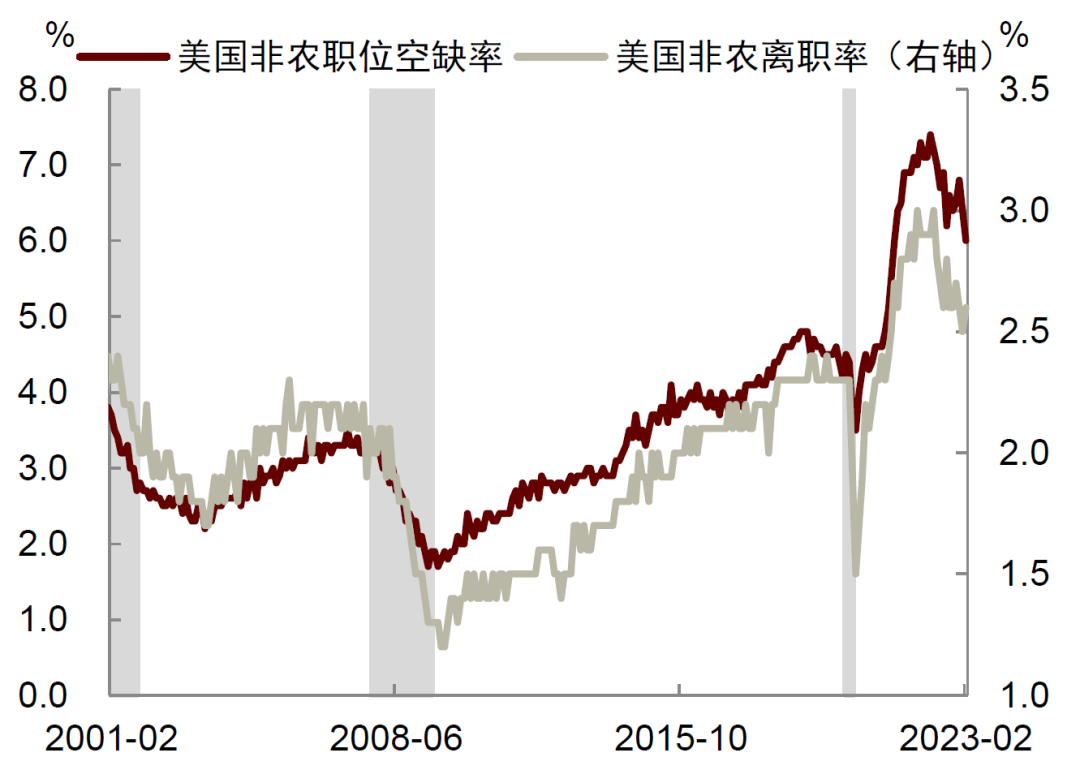
► 美国2月职位空缺数据明显下滑,幅度超市场预期。上周三美国劳工统计局BLS发布的职位空缺和劳动力流动调查报告(JOLTS)显示,2月职位空缺数(job opening)下降至993.1万,为2021年5月以来最低水平,前值也从1082.4万下修至1056.3万,这意味着年初以来空缺职位下降了近100万个。每个失业人数对应的空缺职位数从前期高点的2.01个下降至最新的1.67个,表明劳动力市场的“紧度”在下降。主动离职率(quit rate)从前期高点的3.0%下降至最新的2.6%,主动离职人数的减少也意味着劳动力市场在降温。

图表:美国非农职位空缺率大幅下挫,非农离职率小幅抬升,不过二者过去一段时间均趋势下滑
资料来源:Haver,中金公司研究部

图表:平均每一个失业人员对应1.67个空缺岗位
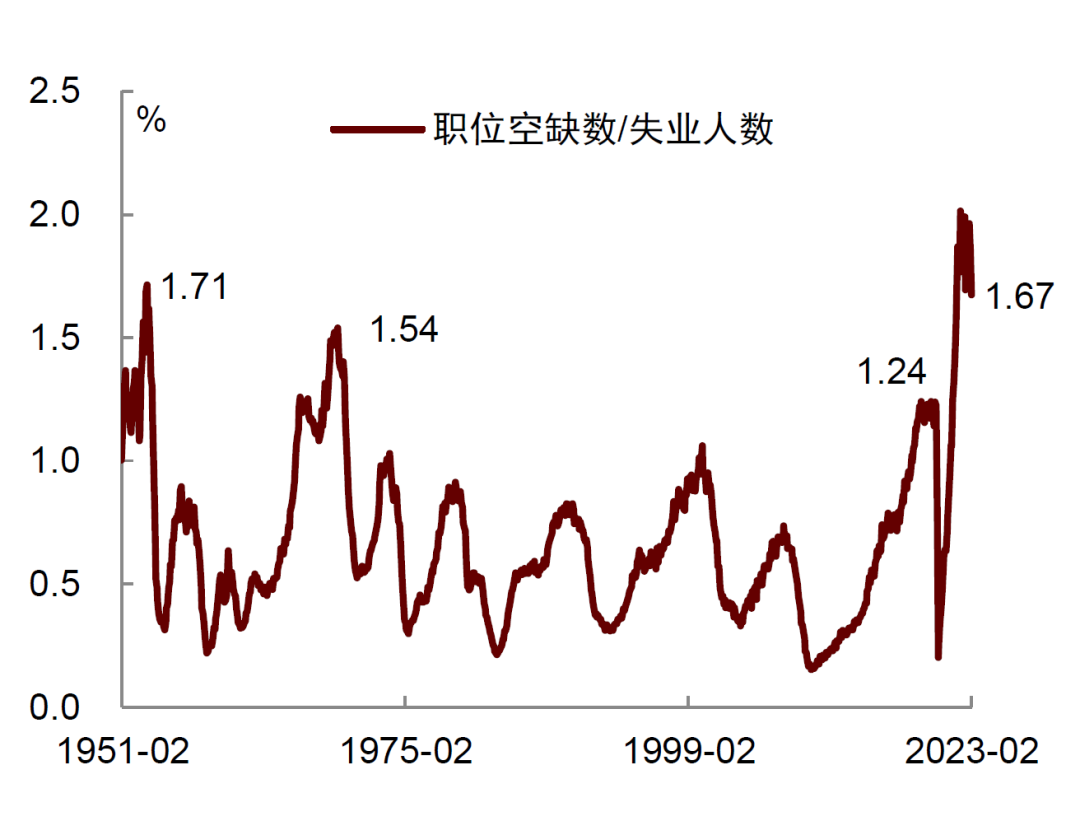
注:2000年12月以前使用数据为HWI中数据,"Building a composite Help-Wanted Index" (Barnichon, 2010)

资料来源:Haver,中金公司研究部

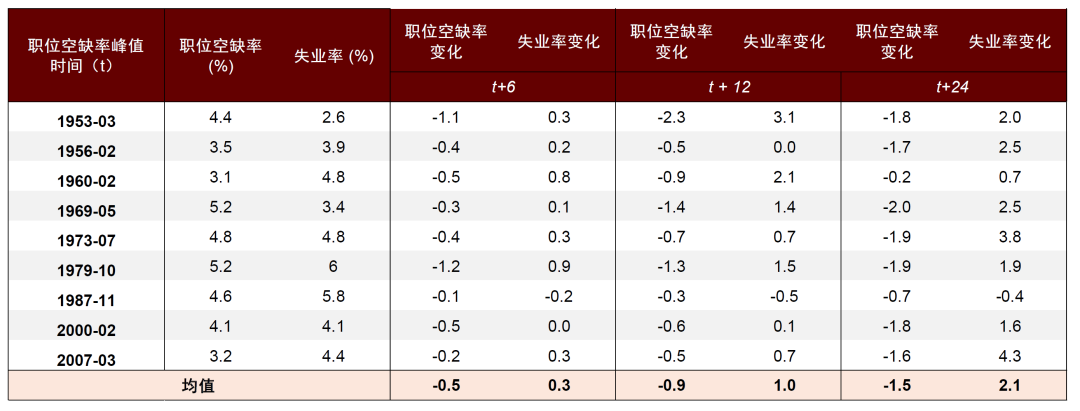
► 职位空缺率的下降对美国劳动力市场再平衡意义重大。新冠疫情以来,美国劳动力供需匹配严重失衡,一个证据是贝弗里奇曲线(Beveridge curve)向外移动,职位空缺率与失业率同步上升。如果未来职位空缺率下降,且没有带来失业率上升,那么贝弗里奇曲线向内移动,美国就可以在不以牺牲就业为代价降低通胀,美国经济就能实现“软着陆”[1],但如果职位空缺率下降的同时失业率上升,经济衰退的概率就会大大增加。历史上职位空缺率见顶下降后失业率通常都会上升,根据Blanchard & Summers的研究[2],平均来看,空缺率见顶后的6、12、24个月内,失业率分别上升0.3、1.0、2.1个百分点。

图表:失业率和职位空缺率在职位空缺率达到峰值后的变化
资料来源:Haver,Blanchard, O., Domash, A., & Summers, L. H. (2022). Bad news for the Fed from the Beveridge space. Peterson Institute for International Economics Policy Brief, 22-7.,中金公司研究部

►那么现实情况是什么样的呢?数据显示,职位空缺率从2022年3月最高点的7.4%下降至今年2月的6.0%,在此期间失业率维持在3.5%左右,没有明显变化。也就是说,过去一年职位空缺率从高点显著下降,但失业率却没有上升。这看上去与历史规律不符,但仔细推敲可以发现,本轮经济复苏因为存在劳动力供给短缺,企业招聘需求得不到满足,导致职位空缺率的高点远高于以往经济周期。而随着货币紧缩深化,经济总需求放缓,企业的招聘需求放缓,职位空缺率开始下降,但因为劳动力供给仍然不足,失业率在经济放缓的初期却未必会上升。

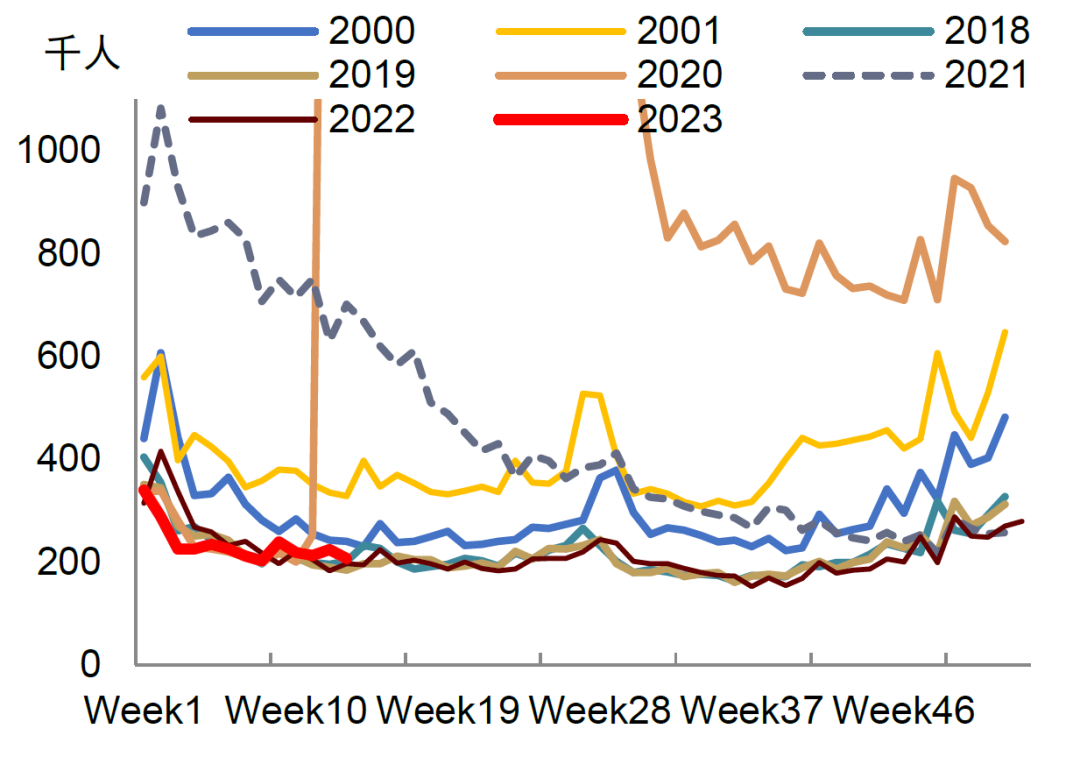
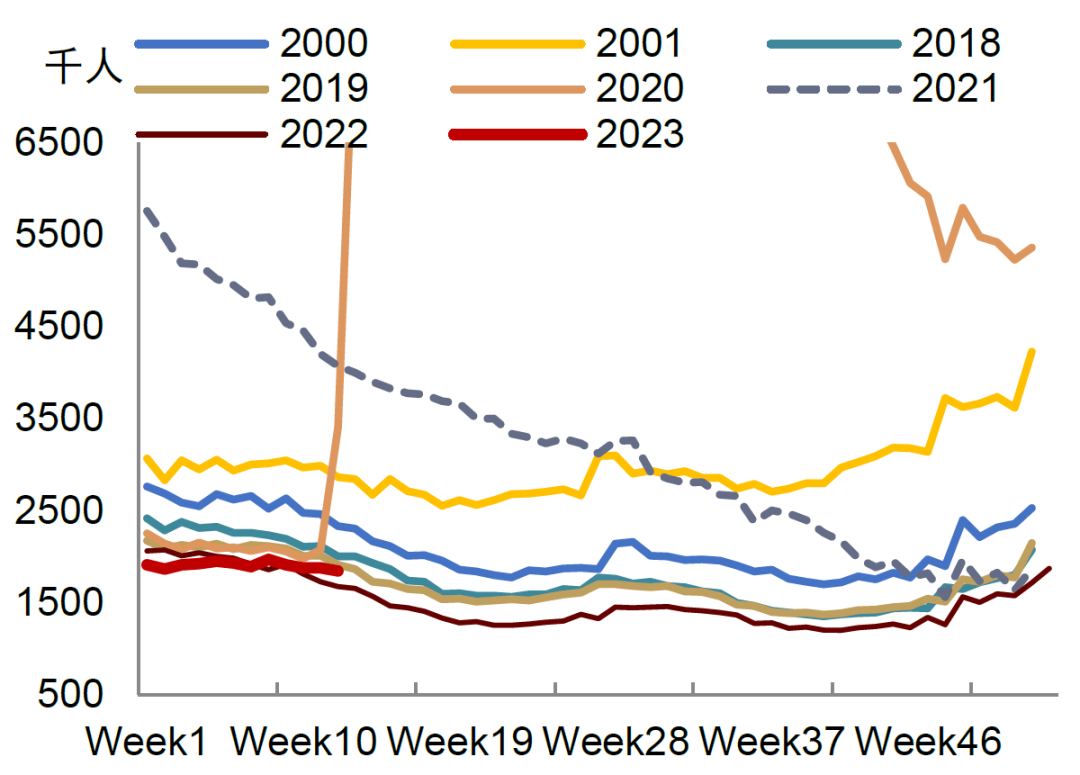
►这是否意味着未来失业率也不会上升呢?历史表明失业率一般取决于两个因素,一是企业裁员的幅度,二是失业者再就业的难度。随着经济放缓,自去年底以来美国许多科技业、金融业大公司纷纷宣布裁员,从最新的周度失业金申领数据来看,初次申领失业金人数已超过2018、2019年同期,持续申领失业金的人数也接近疫情前同期的水平,显示企业裁员的影响在逐步显现。另一方面,如上所述,我们认为经济放缓导致企业招聘需求放缓,失业者再就业的难度也将逐步上升。由此来看,未来失业率仍可能上升,只是由于劳动力供给下降,失业率上升的速度可能会比以往经济周期更慢一些。

图表:周度首次申请失业金人数已超过疫情前同期
资料来源:Haver,中金公司研究部

图表:持续申领失业金人数也已接近疫情前同期
资料来源:Haver,中金公司研究部

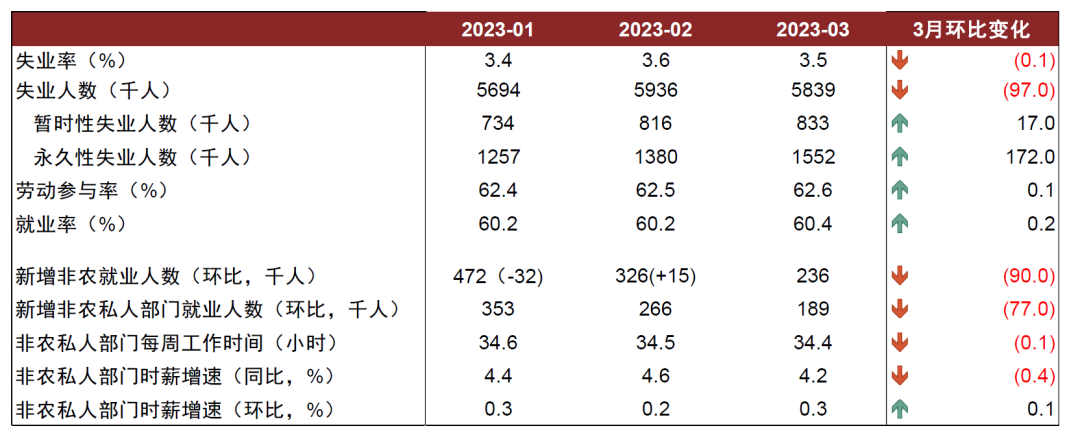
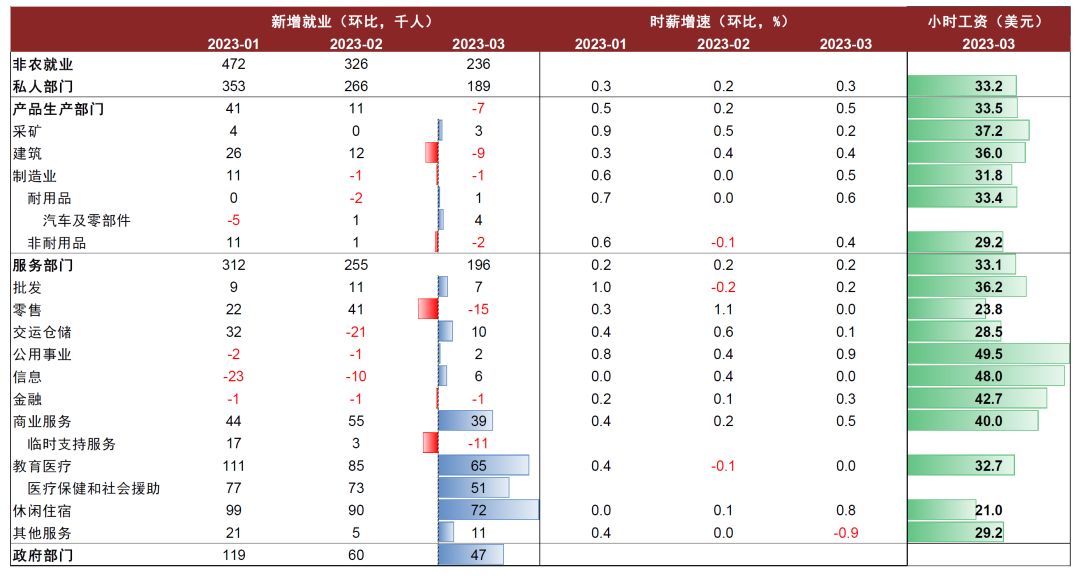
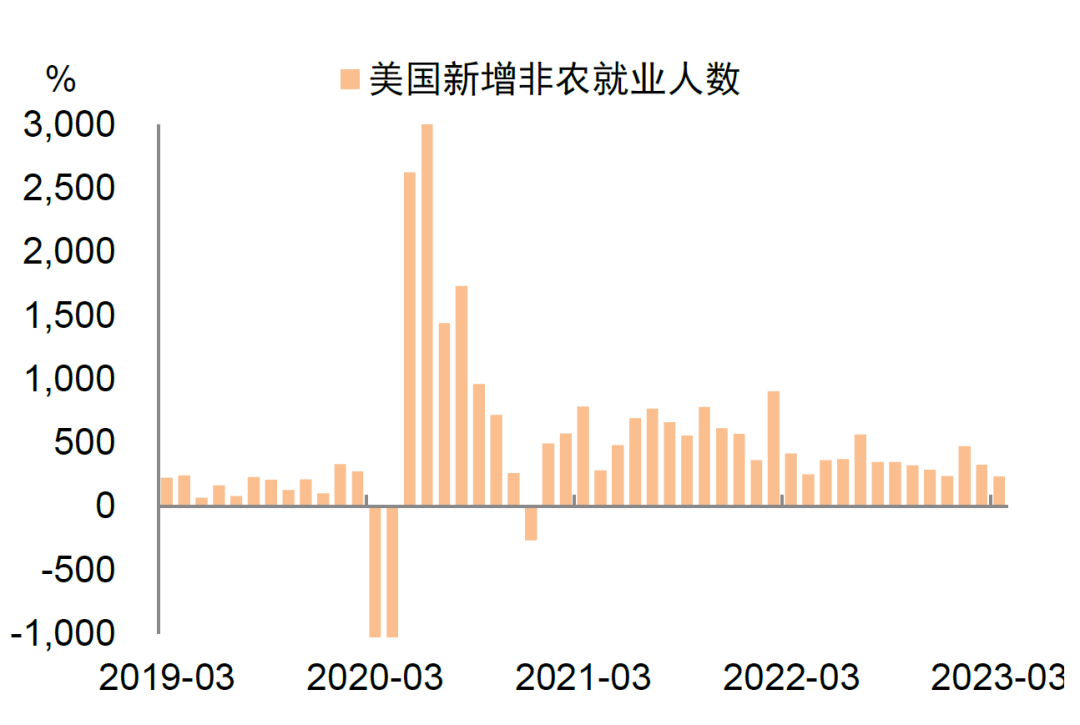
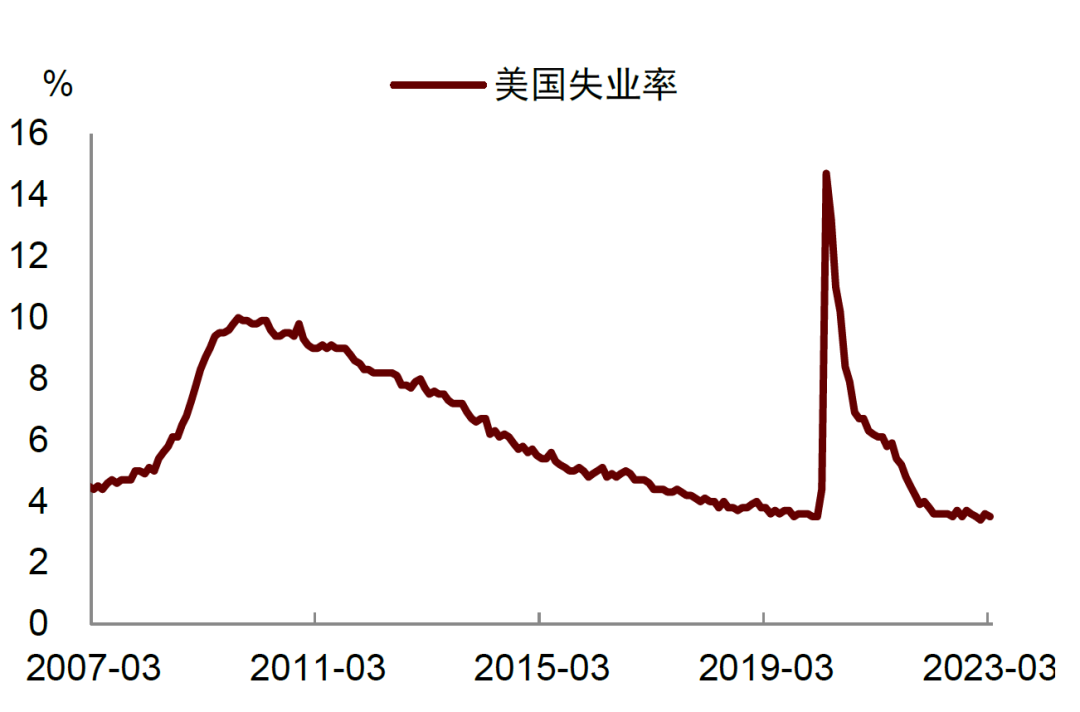
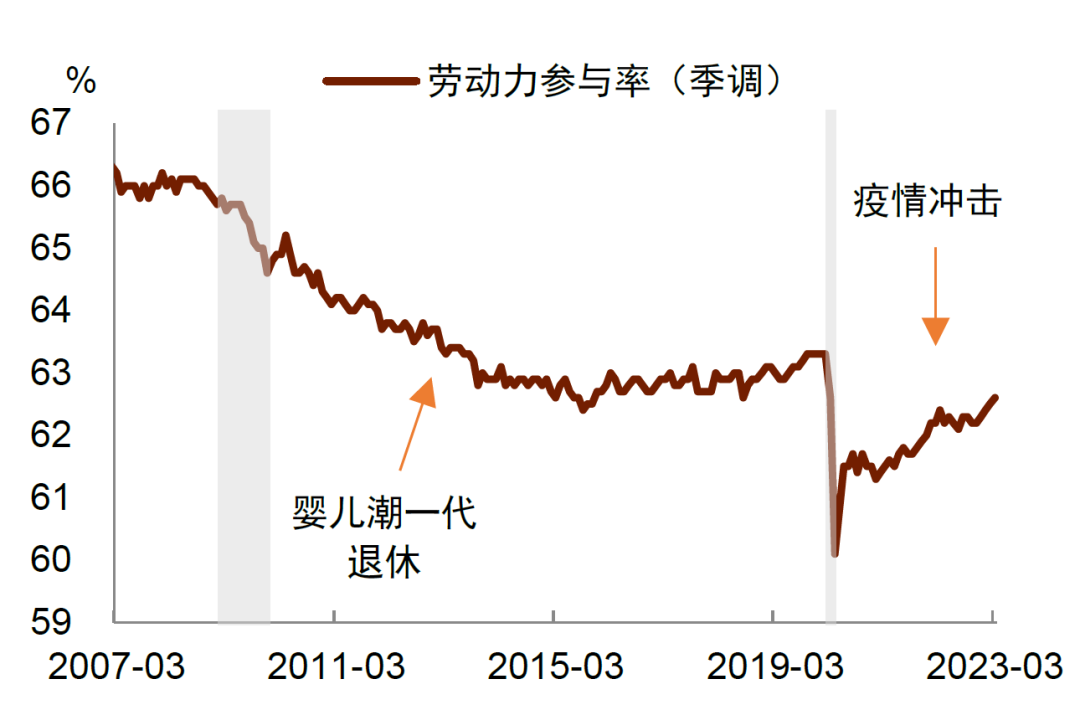
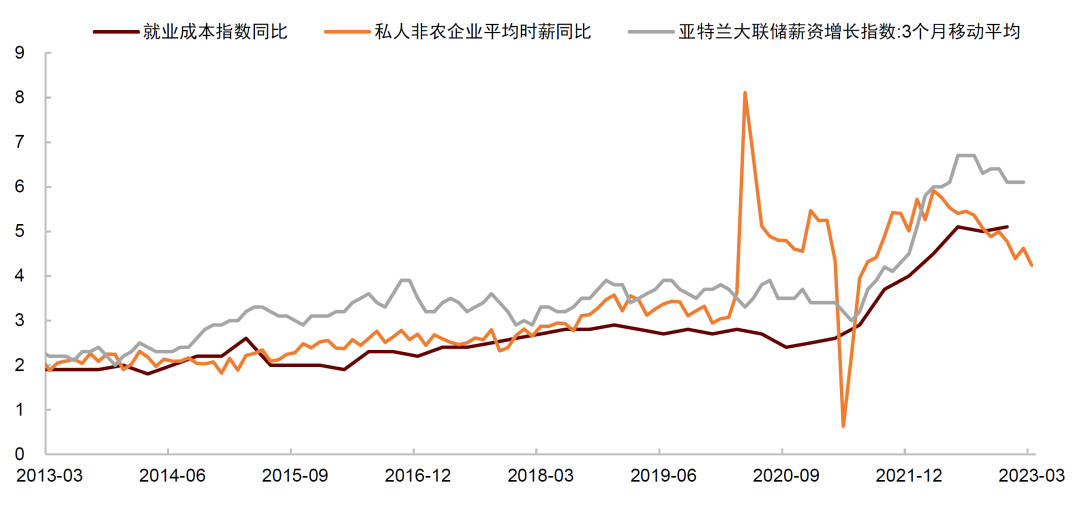
►美国3月非农数据仍然稳健,新增就业边际上也有降温迹象。3月新增非农就业23.6万人,较上月的32.6万下滑,其中教育医疗(+6.5万人)、休闲住宿(+7.2万人)和政府部门(+4.7万人)就业增长较多,而疫情前期招聘较多的零售(-1.5万人)、临时支持服务(-1.1万人)以及建筑(-9千人)、制造(-1千人)行业的新增就业有所下降。虽然3月新增非农已是今年以来连续第三月下降,但超过20万的新增就业也仍高于疫情前水平。3月失业率再度下降至3.5%这一历史低位,劳动参与率小幅上升至62.6%,显示劳动力供给有所恢复。供给修复叠加需求趋缓,非农小时工资同比增速回落至4.2%(前值4.6%),工资通胀压力有所减弱。

图表:美国劳动力市场数据概览
资料来源:Wind,Haver, 中金公司研究部

图表:美国分行业非农就业与工资数据
资料来源:Wind,中金公司研究部

图表:美国3月新增非农就业人数连续三月回落
资料来源:Haver,中金公司研究部

图表:美国3月失业率回落至3.5%
资料来源:Haver,中金公司研究部

图表:美国3月劳动参与率小幅恢复至62.6%
资料来源:Haver,中金公司研究部

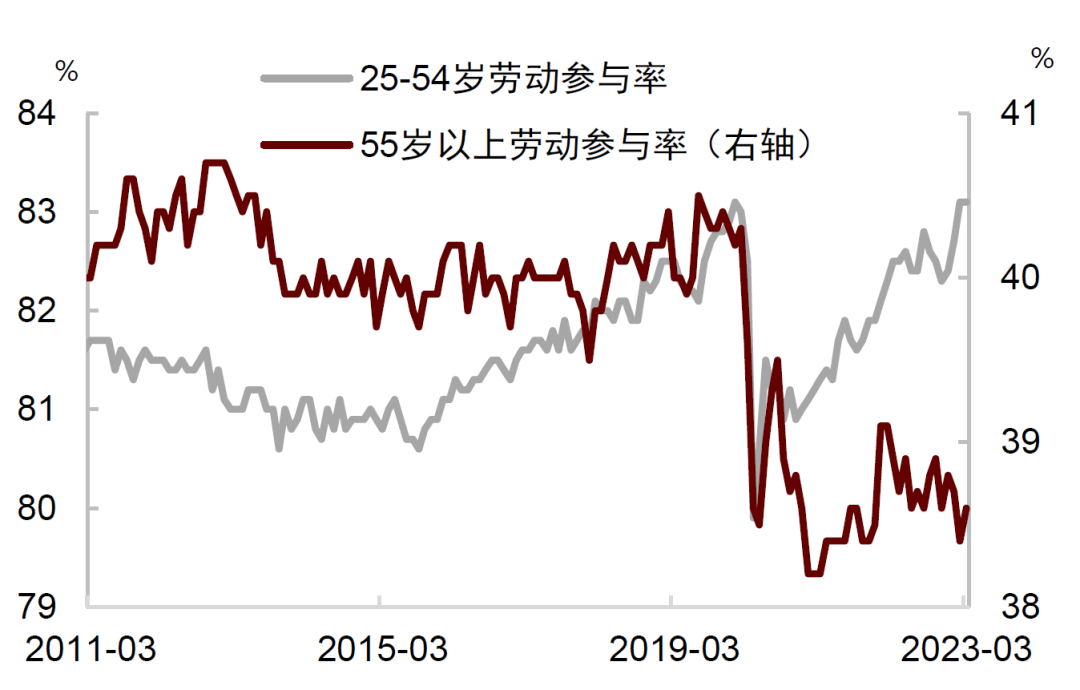
图表:分年龄来看,55岁以上老龄劳动力恢复乏力
资料来源:Fred,中金公司研究部

图表:私人非农时薪增速有所回落
资料来源:Haver,中金公司研究部

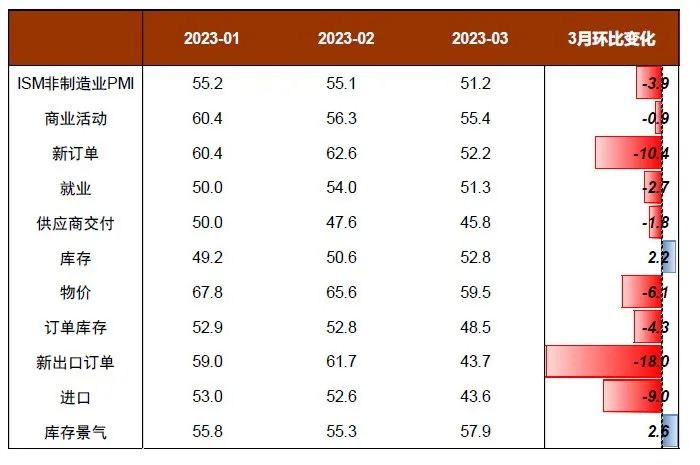
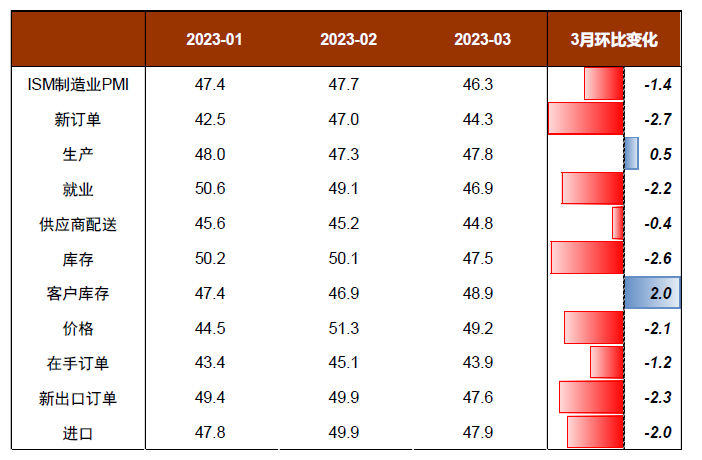
►其他数据方面,美国3月ISM制造业PMI指数46.3,较上月的47.7进一步下降,创2020年5月以来新低,几乎所有分项指数都处于萎缩区间,且就业分项已持续两个月在50的枯荣线之下。3月ISM服务业PMI指数也从上月的55.1下滑至3月的51.2。从分项看,具有前瞻性的新订单指数从上月的62.6大幅下挫至52.2,表明服务业需求在降温,就业指数从上月的54回落至51.3,显示企业招聘活动放缓。我们认为,由于服务业吸纳就业较多,服务业景气度的下滑对整体劳动力市场降温将起到重要助推作用。

图表:美国ISM制造业与非制造业PMI均有所下滑,尤其是非制造业新订单、新出口订单分项均大幅下挫
资料来源:Wind,中金公司研究部

Похожее

BTC on a Roller Coaster, HYPE Hits New Highs | Guest Analysis

**Market Analysis: BTC Volatility and HYPE's New Highs** This week, markets experienced significant volatility. Macro pressures intensified with a bond market sell-off, rising rate hike expectations, and oil surpassing $110. Bitcoin (BTC) broke below $78K and is currently testing a critical range. The core debate centers on the nature of BTC's rally from its February low: Is it the start of a new uptrend (Path 1: bullish) or merely a B-wave rally within a larger monthly corrective structure (Path 2: bearish)? The outcome of the battle in the $78,500-$79,500 zone is key this week. * **For BTC:** * **Mid-term:** Maintain a neutral, cash position. * **Short-term:** Two contingency plans with ≤30% position size and strict stop-losses: * **Plan A (Bearish):** Sell if price rebounds but faces resistance in the $78,500-$79,500 zone. * **Plan B (Bearish):** Sell if price convincingly breaks below the $73,500-$75,000 support. * A break above $90,000-$93,100 would strongly favor the bullish Path 1 scenario. * **For HYPE:** HYPE continues its independent rally, hitting new highs with over 10% gains this week. The trend remains bullish as long as price holds above the key support at $38.41. * **Short-term Strategies (≤30% position):** * **Plan A (Bullish):** Buy on a confirmed break above $45.76. * **Plan B (Bearish):** Sell short on a confirmed break below $45.76. * **Plan C (Bullish):** Buy on a pullback finding support near $38.41. **Trade Review:** Last week, a disciplined 1x leveraged BTC long trade at $79,812, based on model signals, was closed at $81,426 for a ~2.02% profit. **Important:** Market conditions change rapidly. This analysis is for informational purposes only and does not constitute investment advice. Trade with caution and proper risk management.

marsbit11 мин. назад

BTC on a Roller Coaster, HYPE Hits New Highs | Guest Analysis

marsbit11 мин. назад

a16z: How Should Crypto Entrepreneurs Understand the CLARITY Act?

a16z: How Crypto Entrepreneurs Should Understand the CLARITY Act? The U.S. Senate Banking Committee's bipartisan vote to advance crypto market structure legislation, specifically the Digital Asset Market CLARITY Act, marks a historic moment for the industry. For a decade, a lack of clear U.S. regulation has stifled innovation, created consumer risks, and pushed development overseas. CLARITY aims to end this by establishing clear rules for blockchain networks and digital assets, similar to how the 1933 Securities Act shaped capital formation. The current regulatory patchwork has failed, causing legal confusion and enabling bad actors while hindering responsible builders. CLARITY provides a path forward by clarifying the regulatory roles of the SEC and CFTC, defining whether digital assets are securities or commodities, and establishing oversight for crypto exchanges and consumer protections. Crucially, CLARITY recognizes that blockchain networks are fundamentally different from traditional companies. Networks operate through shared rules and decentralized coordination, not centralized control. Applying corporate frameworks distorts them, leading to value extraction by intermediaries. Blockchain enables truly decentralized networks where value can be distributed to participants. CLARITY is designed to make this viable under U.S. law, allowing builders to operate transparently, raise capital domestically, and focus on long-term innovation without structural compromises due to regulatory ambiguity. The bill's progression follows earlier House efforts like FIT21 and the House CLARITY Act, which received strong bipartisan support. If passed, CLARITY could unlock significant innovation within the U.S., similar to the growth seen after the GENIUS Act for stablecoins, helping the U.S. lead in the digital economy while better combating fraud and abuse.

marsbit31 мин. назад

a16z: How Should Crypto Entrepreneurs Understand the CLARITY Act?

marsbit31 мин. назад

AI Benefits Senior Staff? 40% of CEOs Plan to Cut Junior Positions, Young People's Jobs Are More at Risk

The traditional assumption that senior employees are first in line during layoffs is being inverted in the AI era. A survey of 415 CEOs by Oliver Wyman and the NYSE reveals 43% plan to cut entry-level positions in the next 1-2 years to shift towards a mid-to-senior talent structure, a sharp rise from 17% last year. The logic is that AI excels at automating routine, cognitive tasks typically handled by junior staff (e.g., coding, data review), while the experience and judgment of senior employees remain harder to replicate. Research indicates this shift primarily manifests as a hiring freeze for junior roles rather than mass layoffs. Goldman Sachs estimates AI currently nets a loss of about 16,000 US jobs monthly, disproportionately impacting Generation Z concentrated in highly automatable white-collar roles. This raises long-term concerns about a broken talent pipeline, as companies risk having no future senior managers trained internally. Despite the dominant trend, a minority of successful AI adopters, like IBM and Salesforce, are expanding junior hiring, arguing these employees are adept at using and building AI tools. However, most companies are still in early AI deployment phases, with 67% in planning/pilot stages and many reporting returns below expectations. The overarching reality is a weakening of job security across all levels, as organizations reshape for an AI-augmented, leaner future.

marsbit1 ч. назад

AI Benefits Senior Staff? 40% of CEOs Plan to Cut Junior Positions, Young People's Jobs Are More at Risk

marsbit1 ч. назад

Торговля

Спот
Фьючерсы
活动图片